

The G7 Opened In France Expecting Division Then Trump Changed The Agenda
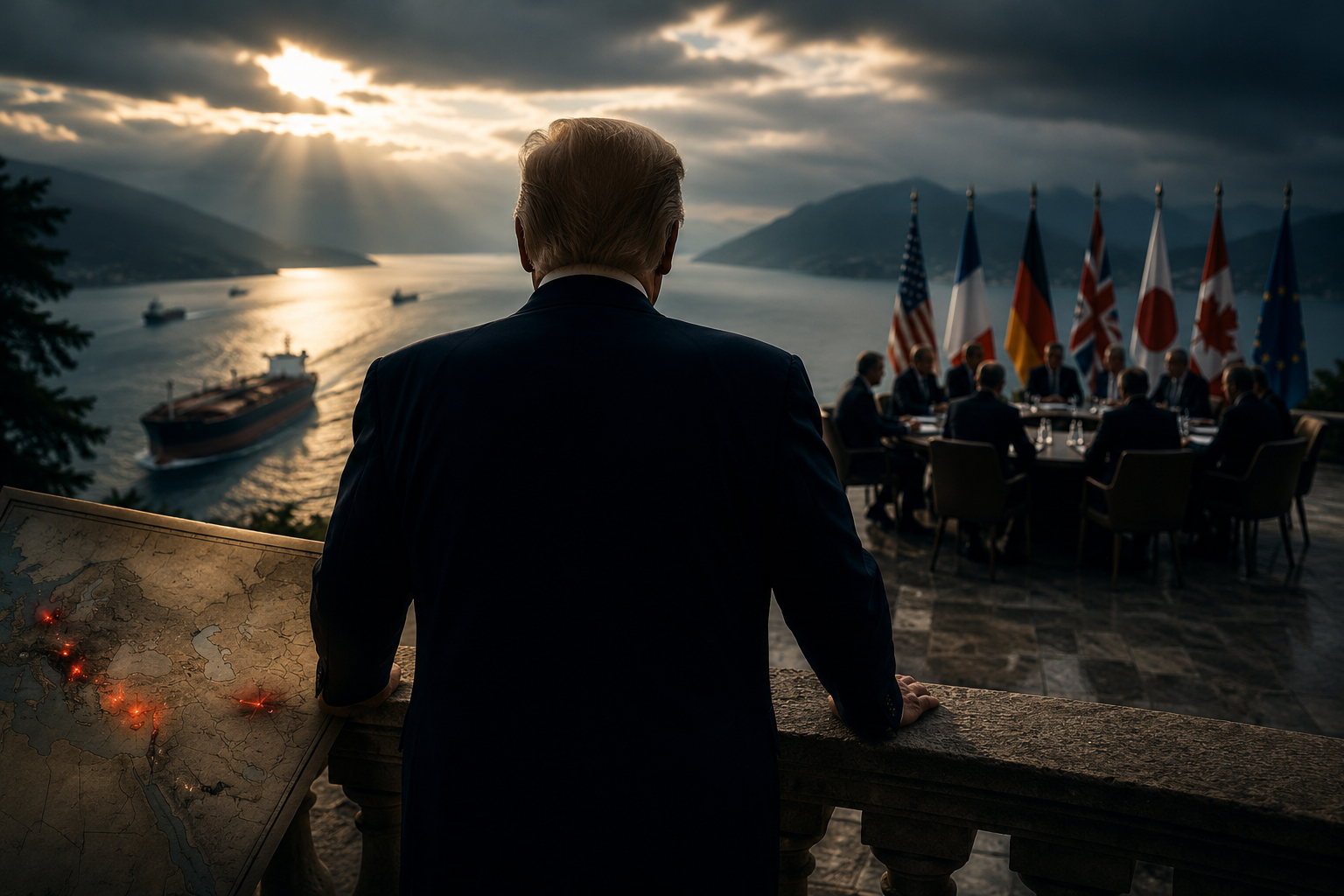
How Iran Overtook Ukraine And Became The Biggest Issue At The G7
Why Trump’s Iran Deal Could Become The Defining Story Of The G7 Summit
When world leaders arrived in Évian-les-Bains for the 2026 G7 summit, the expectation was a broad discussion covering Ukraine, artificial intelligence, economic security, China, trade, and global growth. Instead, one issue has rapidly risen above everything else: Iran.
That shift is not accidental. It is the direct result of President Donald Trump’s surprise diplomatic breakthrough with Tehran, a deal that has suddenly changed the political atmosphere surrounding the summit and forced leaders to reassess their priorities.
Iran Has Become The Centre Of Gravity
The confirmed position going into the summit is that Iran now dominates the agenda. G7 leaders are expected to spend significant time discussing the implications of the emerging agreement, the future of regional security, the reopening of the Strait of Hormuz, and Iran’s long-term nuclear commitments.
For months, policymakers feared a prolonged regional conflict that could trigger energy shocks, shipping disruption, and wider geopolitical instability. The new agreement does not eliminate those concerns entirely, but it changes the conversation from crisis management to implementation.
That distinction matters. Markets, governments, and businesses all operate differently when discussing peace opportunities rather than active escalation.
What Leaders Are Likely To Discuss
The first major discussion point will be the durability of the agreement itself.
Many leaders appear cautiously supportive, but they also want clarity regarding enforcement mechanisms, verification procedures, and the next phase of negotiations. Questions remain about how the agreement will evolve beyond its initial framework and whether all parties will maintain their commitments.
The second major issue is the Strait of Hormuz.
One of the most strategically important waterways on Earth, Hormuz handles a significant share of global energy shipments. Reopening and stabilising the route would ease pressure on energy markets and reduce fears of further disruption. Several leaders are expected to push for rapid implementation measures to secure commercial shipping routes.
The third discussion point concerns Iran's future nuclear posture.
European leaders are expected to seek detailed assurances and technical engagement to ensure the agreement contributes to long-term regional stability rather than simply creating a temporary pause in tensions.
What Outcomes Are Most Likely
The most likely outcome is not a dramatic new treaty.
Instead, expect coordinated political support for the broader direction of the agreement.
Several governments are already signalling support for efforts to stabilise the region, reopen shipping routes, and reduce the risk of further escalation. A common diplomatic message is likely to emerge around stability, verification, and economic normalisation.
A second likely outcome is increased international cooperation on maritime security.
If Hormuz fully reopens, maintaining confidence among commercial shipping operators becomes critical. Discussions around de-mining operations, maritime safety, and trade resilience are expected to feature prominently.
The third likely outcome is a renewed focus on economic recovery.
The G7 was already planning discussions around growth, investment, debt, and global imbalances. A reduction in Middle East tensions would improve the backdrop for those conversations and potentially strengthen confidence across international markets.
Will Trump Dominate The Summit
The short answer is yes.
Even before the summit began, French President Emmanuel Macron appeared to structure elements of the event around accommodating Trump’s attendance and maintaining constructive engagement. Observers across multiple countries recognise that Trump’s presence changes the dynamic of every major international gathering.
But this summit is different from many previous G7 meetings.
Historically, Trump often arrived as the disruptive force challenging established consensus. In Évian, he arrives with a diplomatic achievement that many leaders are now trying to understand, evaluate, and potentially support.
That shifts the balance considerably.
Rather than spending the summit defending his position, Trump may find himself explaining and promoting an initiative that has already become the central topic of discussion.
Why This Matters Politically
The deeper story is not simply about Iran.
It is about influence.
The G7 is supposed to be a gathering of the world's leading democratic economies. Yet the political reality is that one leader often ends up defining the event.
This year, that leader appears to be Trump.
Whether critics support him or oppose him, the summit's agenda now revolves around a deal negotiated by his administration. Every discussion about energy security, shipping, regional stability, economic growth, and Middle Eastern diplomacy now connects back to that decision.
That creates a powerful political image.
Instead of reacting to events, Trump appears to have created the event everyone else must now react to.
The Bigger Question Behind The Summit
The real test is not whether the agreement generates positive headlines over the next few days.
The real test is whether it survives the next few months.
If the deal holds, shipping routes reopen, tensions ease, and economic pressures moderate, the summit could eventually be remembered as the moment the international community began adjusting to a new Middle East reality.
If it fails, leaders will look back on Évian as the moment when optimism briefly overtook caution.
Either way, one fact is already clear.
A summit that was expected to focus on numerous global challenges has become overwhelmingly focused on one question: can Trump’s Iran deal deliver the stability that world leaders have been searching for? That question now hangs over every conversation taking place on the shores of Lake Geneva.
