

Trump Humiliates Starmer as Iran War Splits US and UK
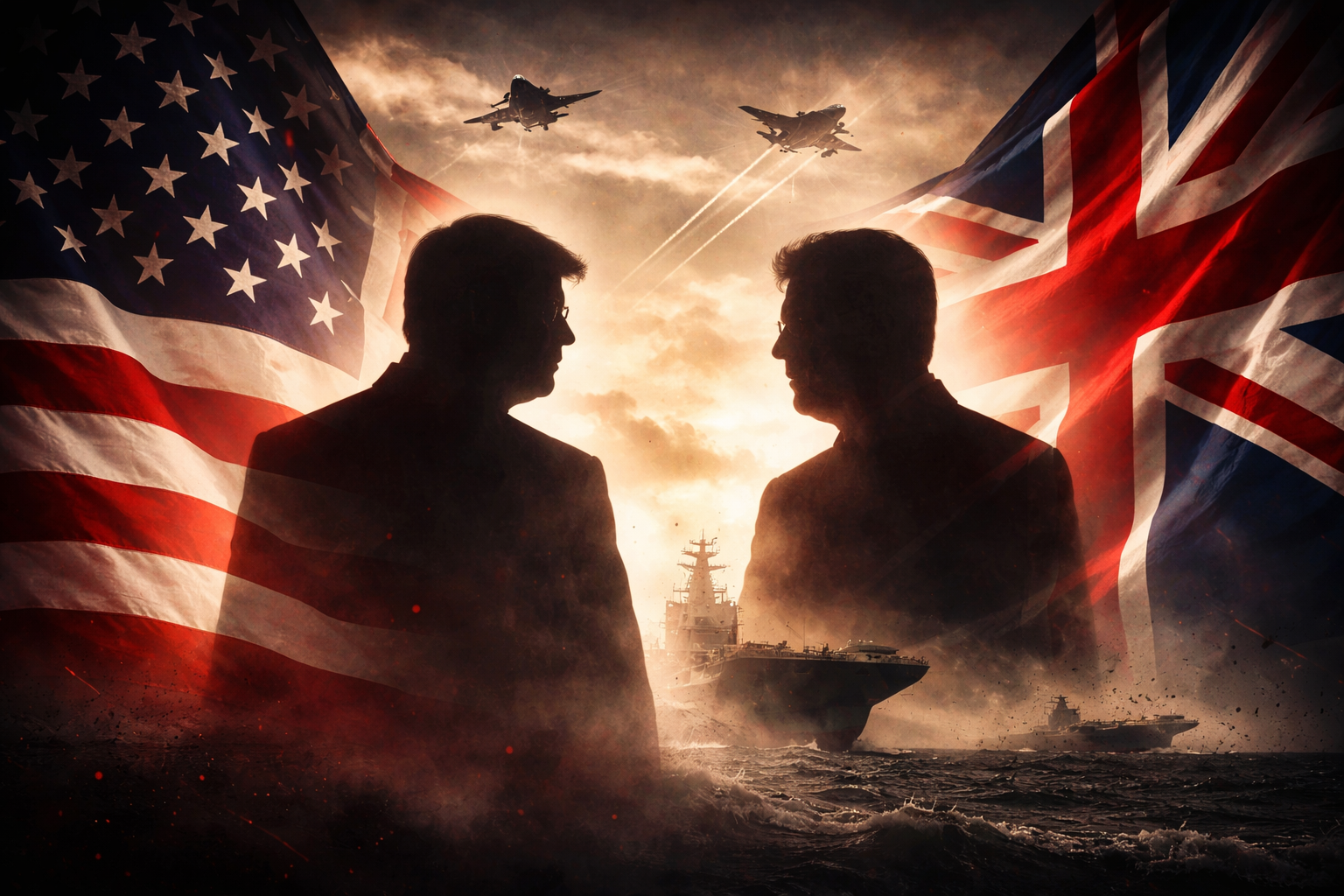
Is the US-UK Alliance Breaking? Trump’s War Clash Explained
Trump vs Keir Starmer: The Feud That’s Testing the “Special Relationship”
The escalating clash between Donald Trump and Keir Starmer is being driven by one core issue: the UK refused to fully back US-led military action against Iran, and Trump has taken it personally.
Recently, Trump has publicly mocked Starmer, questioned Britain’s military strength, and openly complained about the UK’s lack of support. Starmer, in contrast, has deliberately stayed restrained, sticking to a cautious, law-based approach to the conflict.
This isn’t just political theater—it’s a real fracture in the US-UK alliance, happening during an active war scenario.
The overlooked hinge is simple: this feud is less about personality and more about fundamentally different doctrines on when and how to use military power.
The story turns on whether the UK aligns with US-led escalation or continues to resist joining offensive action.
Key Points
Trump is angry because the UK refused to fully support US-Israel strikes on Iran, especially early in the conflict.
He has publicly mocked Starmer, calling him weak and comparing him unfavorably to Churchill.
Trump has escalated rhetoric by dismissing UK military capability, calling aircraft carriers “toys.”
Starmer is deliberately avoiding escalation, prioritizing legal justification and public support.
The feud reflects deeper tension inside NATO over burden-sharing and military risk.
This is the most serious strain in the US–UK “special relationship” in years.
Where This Really Starts: The Iran War Split
The trigger wasn’t personality—it was policy.
When the US and Israel launched strikes on Iran, the UK refused to join offensive operations. Instead, Starmer:
Allowed limited, defensive use of UK bases
Rejected direct participation in strikes
Emphasised diplomacy over escalation
From Trump’s perspective, that looked like hesitation and disloyalty.
He complained the UK took “far too long” to approve even limited cooperation and said the relationship is “not what it was.”
That delay—measured in hours or days— mattered operationally. US aircraft reportedly had to fly longer missions because UK bases weren’t immediately available.
Trump’s Strategy: Public Pressure and Humiliation
Trump hasn’t handled this quietly — he’s escalated it publicly and aggressively.
Recent moves include:
Mocking Starmer as weak and “not Churchill”
Sharing satire portraying Starmer as fearful
Calling UK carriers “toys” and dismissing British military support
Framing NATO allies as failing a “loyalty test”
This is classic Trump leverage:
He applies public humiliation to force alignment.
The message isn’t just to the UK — it’s to all allies:
Support US military action quickly, or face political consequences.
Starmer’s Strategy: Controlled Distance, Not Confrontation
Starmer is pursuing a completely different strategy.
Instead of escalating, he is
Avoiding personal attacks
Emphasising legality and “national interest”
Limiting UK involvement to defensive actions
Keeping diplomatic channels open
This strategy is deliberate.
The UK government is trying to avoid:
Being dragged into another Iraq-style conflict
Acting without parliamentary and public backing
Becoming politically tied to a potentially long Middle East war
This situation explains why Starmer hasn’t responded emotionally — he’s trying to de-risk the UK’s position, not win a media battle.
The Power Shift: Who Gains, Who Loses
This feud isn’t symmetrical.
Trump gains:
Domestic political strength by appearing dominant
Leverage over NATO allies
Narrative control: “America leads, others follow or fail””
Starmer gains:
Credibility at home for caution
Alignment with European allies wary of escalation
Legal and political cover if the war worsens
But the UK loses:
Influence in Washington
Perception of military reliability
Short-term leverage inside NATO
Trump has effectively reframed the UK from “closest ally” to “hesitant partner.”
Real-World Stakes: Why This Matters
This change isn’t just rhetoric—it affects the following:
Military coordination (bases, intelligence, logistics)
NATO cohesion during active conflict
Energy markets (Iran conflict impacts oil routes like Hormuz)
Future crises — whether the US trusts UK support
It also signals a broader shift:
The US is increasingly treating alliances as transactional, not automatic.
What Most Coverage Misses
Most coverage frames the issue as personality—Trump attacking Starmer.
That’s shallow.
The real divide is doctrinal:
The US (under Trump) is operating on speed + dominance
The UK is operating on legitimacy + restraint
These approaches are incompatible in fast-moving conflicts.
If you require legal justification, parliamentary backing, and coalition consensus—you will always be slower.
And in Trump’s worldview, slow = unreliable.
That’s why the situation escalated so fast. Not because Starmer insulted Trump, but because he didn’t move at Trump’s pace.
What Happens Next: Three Possible Paths
This situation now splits into three clear scenarios:
1. Alignment (low probability short-term)
UK increases support, possibly expanding its military role
→ Feud cools quickly
2. Managed tension (most likely)
UK stays cautious; US continues rhetorical pressure
→ Relationship weakens but holds
3. Structural fracture (rising risk)
US reduces reliance on UK in future operations
→ Long-term damage to “special relationship”
Watch for key signals:
The UK is expanding beyond defensive operations
US bypassing UK bases in future strikes
NATO disagreements becoming public and frequent
The Bigger Meaning
This isn’t just a disagreement.
It’s a stress test of the post-WWII alliance model.
For decades, the assumption was simple: quickly or
The US leads; the UK follows closely behind.
That assumption is now breaking.
And if it breaks here — in a live conflict — it won’t quietly repair itself.
The next phase will show whether this is a temporary clash… or the start of a colder, more transactional alliance between Washington and London.
