

Trump Tells Russia To Make A Deal After High-Stakes Zelensky Meeting At The G7
A New Pressure Point Emerges As Trump Signals Fresh Push For Ukraine Peace Talks
Trump’s Message To Moscow Was Simple: Make A Deal
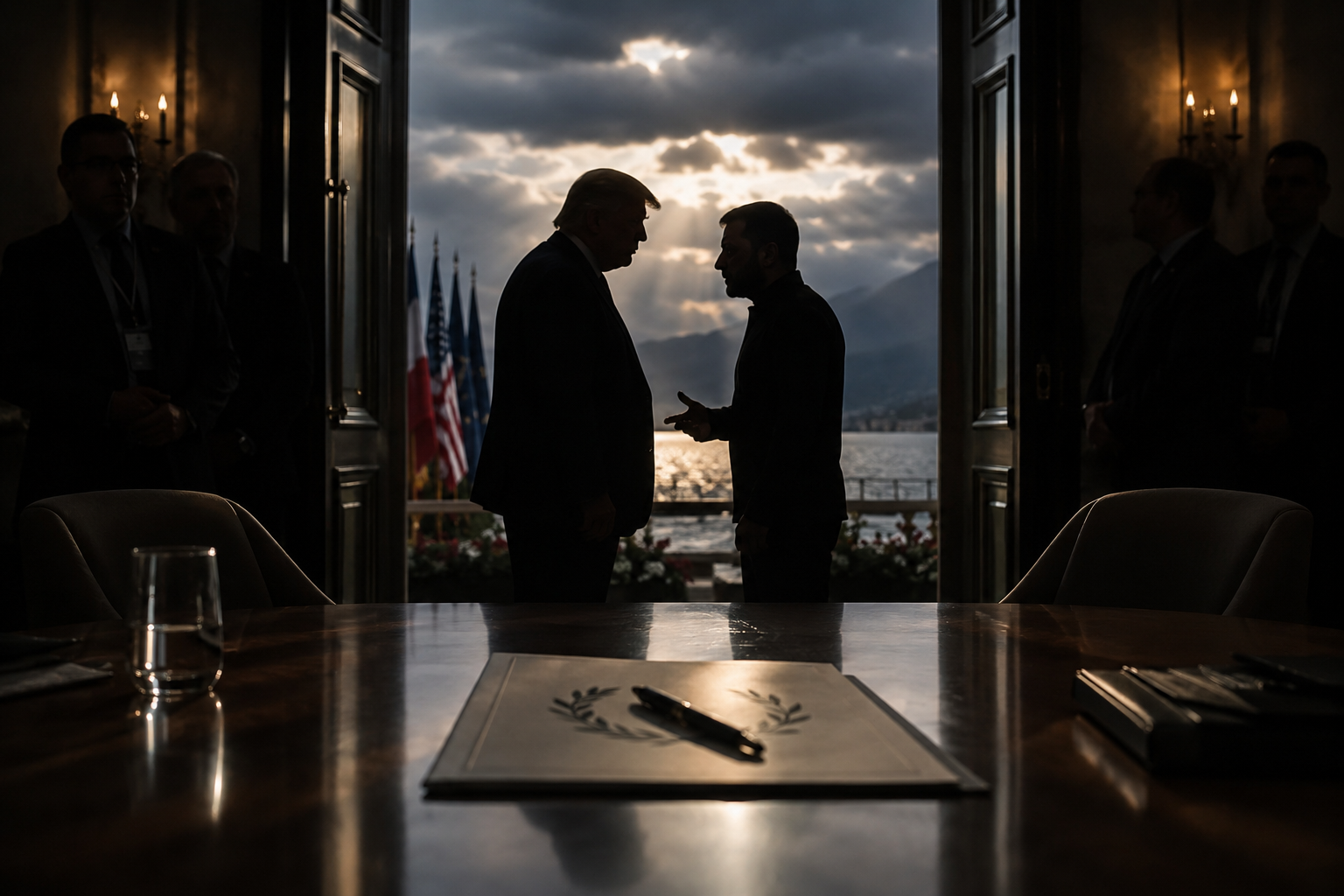
At a summit dominated by diplomacy, security and global tensions, one remark cut through the noise. After meeting Ukrainian President Volodymyr Zelensky at the G7 summit in France, Donald Trump said Russia should make a deal to end the war. He described his discussions with Zelensky as “very good” and indicated that he would continue efforts to help bring the conflict to an end.
On the surface, the statement sounded straightforward. Yet it carried significance because Trump has often been viewed as the Western leader most willing to challenge the assumptions that have guided the Ukraine debate for years. When he publicly tells Russia that it should make a deal, it immediately changes the political focus of the discussion.
Why This Meeting Matters
The meeting took place at a critical moment. Ukraine continues to seek stronger military support, particularly air defence systems, while simultaneously trying to position itself for eventual negotiations. Zelensky has repeatedly argued that pressure on Russia remains essential if any meaningful peace process is to emerge.
European leaders attending the summit appear equally determined to keep Ukraine at the top of the international agenda. Behind the scenes, there has been a clear effort to convince Trump that the battlefield situation and diplomatic landscape have evolved since earlier discussions about possible peace terms.
The significance is not merely that Trump met Zelensky. It is that both sides appear to recognise that any eventual settlement will require Washington’s involvement, regardless of how events unfold on the battlefield.
The Hidden Shift Beneath The Headlines
The most interesting part of the story is not the meeting itself. It is the language being used around it.
For much of the war, public debate has often centred on military aid packages, weapons systems and sanctions. Increasingly, however, the conversation is moving toward leverage, negotiation and political pressure. Trump’s comments fit neatly into that transition.
By saying Russia should make a deal, he is placing emphasis on an outcome rather than a process. The statement suggests that endless conflict is becoming harder to justify politically, economically and strategically.
That does not mean peace is close. In fact, major obstacles remain. But it does suggest that more influential figures are beginning to focus on what an eventual settlement could look like rather than whether negotiations should happen at all.
Europe Wants To Influence Trump
One of the least discussed aspects of the G7 summit is the effort by European leaders to shape Trump’s thinking.
Several leaders have been attempting to persuade him that current realities differ from earlier assumptions about the conflict. Reports from the summit suggest European officials argued that Ukraine's position has improved in certain areas and that Moscow should not be viewed as holding all the leverage.
This matters because Trump remains one of the few political figures capable of dramatically altering the diplomatic landscape. Whether supporters agree with him or not, his influence on negotiations, sanctions policy and international alliances remains substantial.
The result is a fascinating dynamic. Ukraine wants continued support. Europe wants sustained pressure on Russia. Trump wants an end to the war. Those objectives overlap, but they are not identical.
The Biggest Question Facing Moscow
The central question is no longer whether negotiations will eventually occur. History suggests wars of this scale almost always end with some form of political settlement.
The real question is when.
Russia faces ongoing military costs, economic pressure and international isolation. Ukraine faces enormous human and financial burdens while continuing to defend territory and infrastructure. Both sides continue paying a price that grows heavier with each passing month.
Trump referenced those human costs directly, highlighting the loss of life suffered by both countries. That framing is important because it moves the conversation away from ideology and toward consequences.
If enough influential leaders begin focusing on the cost of continuation rather than the objectives of victory, diplomatic momentum can change surprisingly quickly.
The Real Story Is About Power
Viewed from a wider angle, this story is not really about one meeting at a summit.
It is about who gets to shape the endgame.
For years, the war has largely been defined by military developments. Increasingly, however, political influence, negotiation strategy and diplomatic leverage are becoming just as important. Every conversation between Trump, Zelensky, European leaders and eventually Moscow feeds into that larger struggle.
Trump's comment that Russia should make a deal was brief. Yet it may prove more important than many of the summit's longer speeches. It signals that attention is shifting toward what happens after the fighting rather than simply how the fighting continues.
That does not mean peace is imminent. It does mean the conversation around peace is becoming harder to avoid. And once global leaders begin openly discussing the shape of an ending, the pressure on every side tends to increase.
