Congo’s Ebola Warning Just Took A Darker Turn As Experts Fear The Real Outbreak May Be Much Bigger
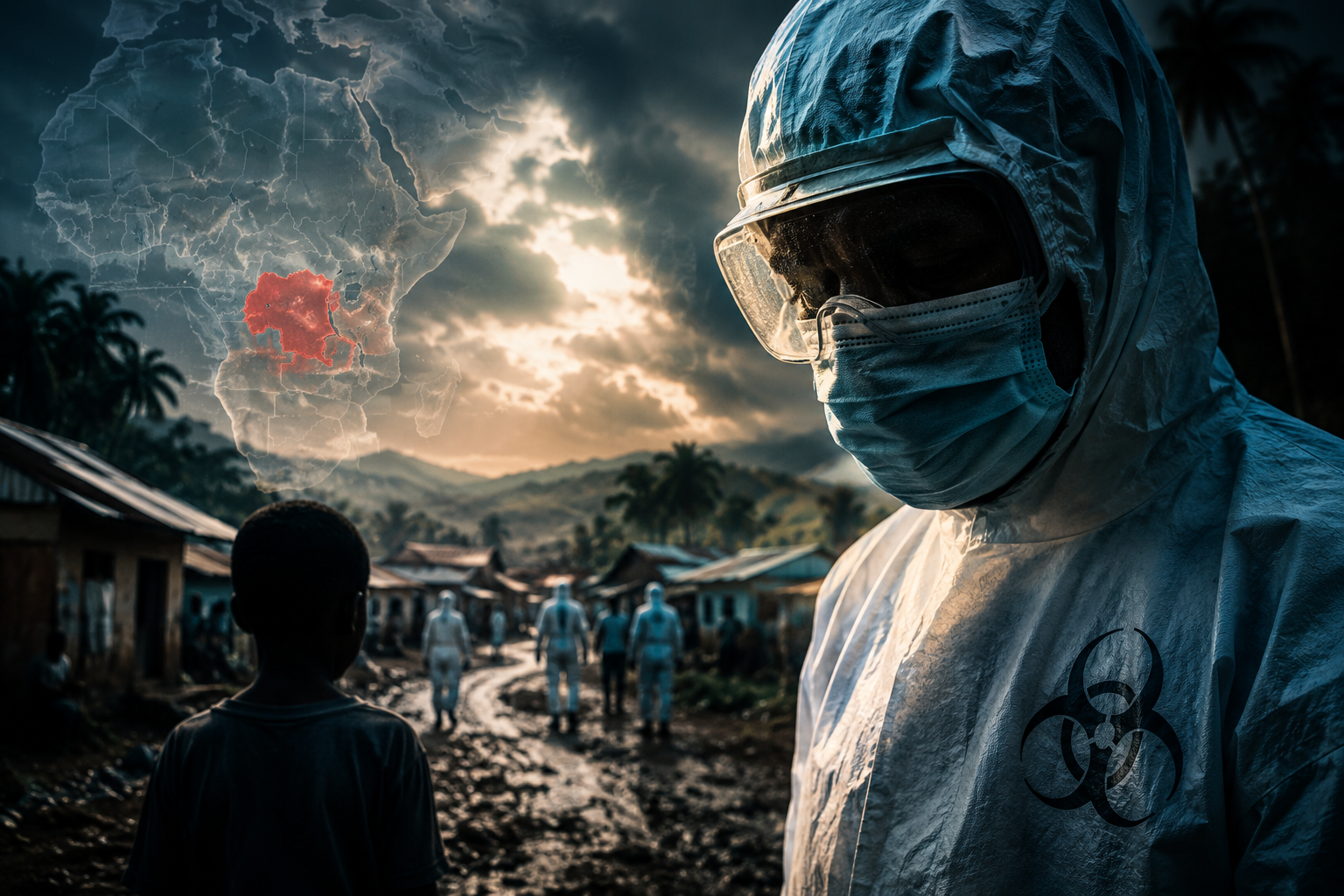
Why Health Officials Are Growing More Concerned About Congo’s Ebola Outbreak
The Most Dangerous Part Of Congo’s Ebola Outbreak May Be What Authorities Haven’t Found Yet
Ebola outbreaks are rarely judged solely by the number of confirmed infections. Public health officials also focus on how quickly cases are identified, how many contacts can be traced, and whether any transmission chains remain hidden from view.
That is why warnings emerging from the Democratic Republic of the Congo have attracted attention. The concern is not simply that Ebola has appeared again, but that confirmed cases may represent only part of a wider outbreak that has not yet been fully mapped.
Why Undetected Cases Matter So Much
Every infectious disease response depends on visibility. Health authorities need to know who is infected, where transmission occurred, and who may have been exposed. When those links become unclear, uncertainty grows rapidly.
With Ebola, even a small number of undetected cases can create significant challenges. A single missed transmission chain can allow the virus to spread into new communities before response teams have the opportunity to intervene. That does not mean such spread is occurring, but it is precisely the risk that experts seek to eliminate as quickly as possible.
The Democratic Republic Of The Congo Knows This Virus Well
The Democratic Republic of the Congo has faced multiple Ebola outbreaks over recent decades. That experience has helped build response capabilities that include surveillance systems, laboratory testing, contact tracing, and emergency public health coordination.
Those tools matter because rapid action has repeatedly proven capable of limiting outbreaks before they become much larger crises. The challenge is that every outbreak presents different geographical, logistical, and social conditions, making early detection critical.
Why Global Attention Remains Focused On Ebola
Although Ebola outbreaks are often geographically contained, the virus carries a powerful reputation because of its potential severity. Symptoms can be serious, and past outbreaks have demonstrated the devastating impact that uncontrolled transmission can have on affected communities.
Modern response systems are significantly stronger than they were during some of the most notorious Ebola emergencies. Vaccination strategies, improved diagnostics, and accumulated public health experience have changed the landscape. Even so, experts remain cautious whenever uncertainty exists around the true scale of an outbreak.
The Real Battle Is Against Uncertainty
The most important question facing health officials is not necessarily how many confirmed cases exist today. It is whether every transmission chain has been identified.
As investigations continue, authorities will focus heavily on surveillance, testing, and contact tracing. Each newly identified contact helps reduce uncertainty. Each completed investigation provides a clearer picture of the outbreak's true size.
What Happens Next
The coming days and weeks are likely to determine whether the current outbreak remains limited or whether additional cases emerge. Public health teams will be looking for evidence that transmission has been contained and that no hidden clusters remain undiscovered.
For now, the central concern is straightforward. Confirmed cases can be counted. Unknown cases cannot. That gap between what is known and what remains uncertain is why health experts continue to watch developments in Congo so closely.
