The Death That Could Haunt Nicaragua: Opposition Leader Dies After Years Hidden From The World
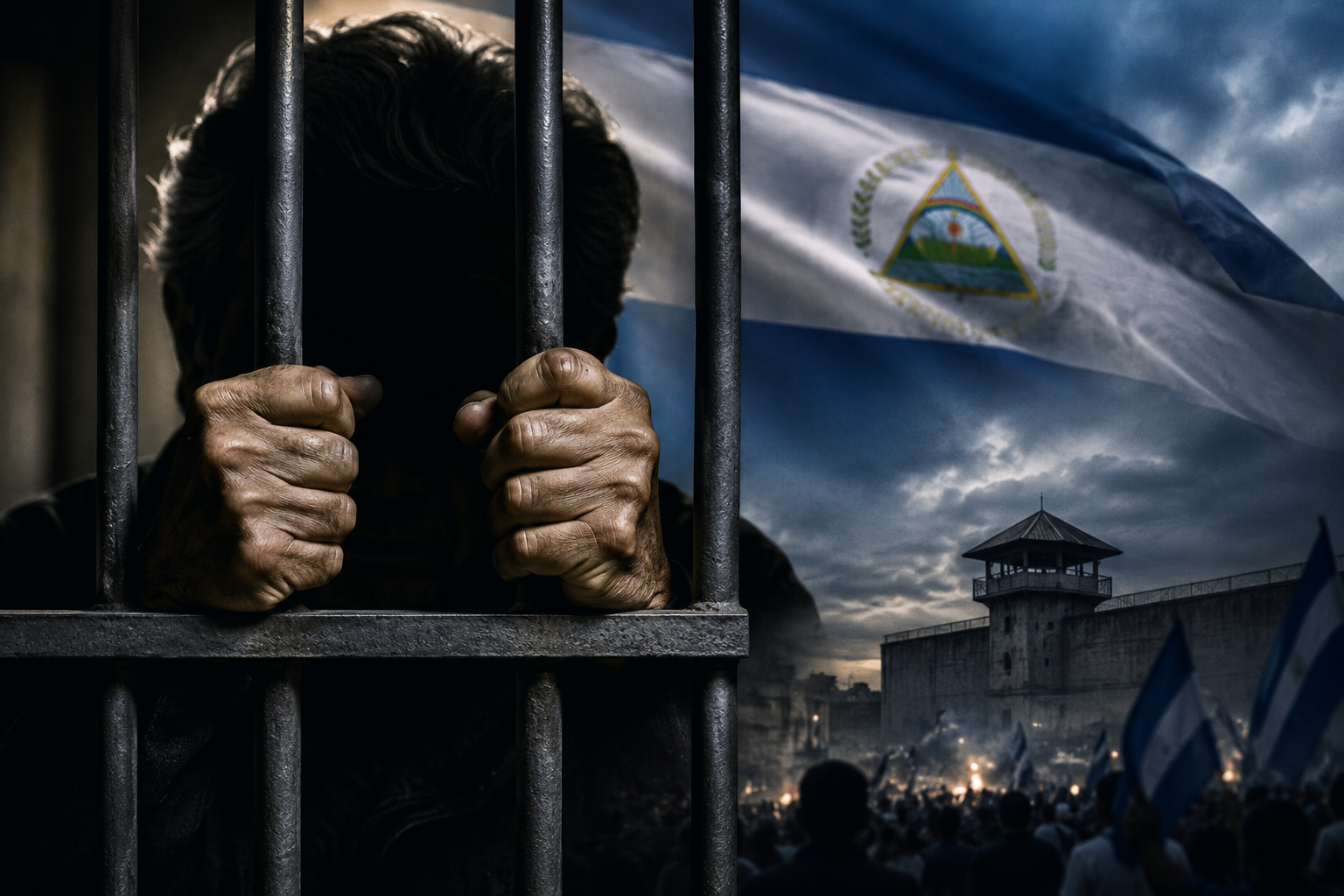
Brooklyn Rivera's Death Raises New Questions About Nicaragua's Political Prisoners
A Missing Politician, A Hospital Bed, And A Nation Under Scrutiny
Brooklyn Rivera was not an ordinary political figure. For decades, he was one of Nicaragua's most recognizable Indigenous leaders, representing the Miskito people and leading the YATAMA political movement. His influence stretched far beyond electoral politics, touching issues of Indigenous rights, regional autonomy and opposition to central government control.
His detention in September 2023 immediately triggered concern among human rights groups and international observers. Family members and supporters repeatedly claimed they were denied meaningful information about his condition and whereabouts. As months turned into years, Rivera's case evolved from a political dispute into a broader symbol of the risks facing critics of the Nicaraguan government.
The Images That Changed Everything
For a long period, Rivera's condition remained largely hidden from public view. That changed when authorities released photographs showing him in critical condition inside a hospital. The images revealed a severely weakened man receiving intensive medical treatment and suffering from multiple serious health complications.
Those photographs immediately transformed the international conversation. What had previously been a dispute over detention and political rights suddenly became a humanitarian issue. Questions emerged about how Rivera's health had deteriorated so dramatically and whether adequate medical care had been available throughout his detention.
Why Rivera Was Such A Significant Figure
To understand why this story matters, it is necessary to understand Rivera's place in Nicaragua's modern history. He was not simply an opposition politician. He was a historic leader within Nicaragua's Indigenous communities and played a significant role in conflicts that shaped the country's political landscape during the late twentieth century.
Over time, his political relationship with Nicaragua's ruling establishment changed. At various points he was both an opponent and an ally of the Sandinista movement. Yet his eventual detention occurred amid a broader crackdown on dissent that has attracted criticism from governments, human rights organizations and international institutions.
A Human Rights Debate That Keeps Growing
Rivera's case became increasingly controversial because of allegations that he was effectively disappeared from public view. Human rights groups argued that prolonged incommunicado detention, restricted family access and limited independent oversight created conditions in which serious abuses could occur without transparency.
International organizations repeatedly demanded proof of life and independent verification of his condition. Amnesty International, United Nations experts and foreign governments all expressed concern that the situation represented more than an isolated case. Instead, they argued it reflected wider questions about detention conditions, legal protections and political freedoms within Nicaragua.
The Bigger Political Consequences
The reported death of Brooklyn Rivera is unlikely to remain a domestic story. Nicaragua has already faced sustained criticism over its treatment of political opponents, journalists, activists and civil society organizations. Rivera's death adds a powerful new chapter to that narrative.
For critics of President Daniel Ortega and Vice President Rosario Murillo, the case will be cited as evidence that international concerns were justified. For supporters of the government, it may become another flashpoint in an already polarized political environment. Either way, the political fallout is unlikely to disappear quickly.
Why The Story Matters Beyond Nicaragua
Many political stories fade within days. This one is different because it combines several powerful themes at once: Indigenous rights, political opposition, state power, human rights and international diplomacy. Those themes resonate far beyond Nicaragua's borders.
The central question is no longer only what happened to Brooklyn Rivera. It is whether his death becomes a turning point that increases pressure for greater transparency and accountability, or whether it becomes another unresolved chapter in a country already marked by deep political division.
For now, one fact stands above everything else: a man who once sat in Nicaragua's National Assembly and represented one of the country's most prominent Indigenous political movements has reportedly died in state custody after years of uncertainty surrounding his detention. The consequences of that reality may continue to reverberate long after the headlines move on.
