Dame Penelope Keith Leaves Behind A Golden Television Legacy
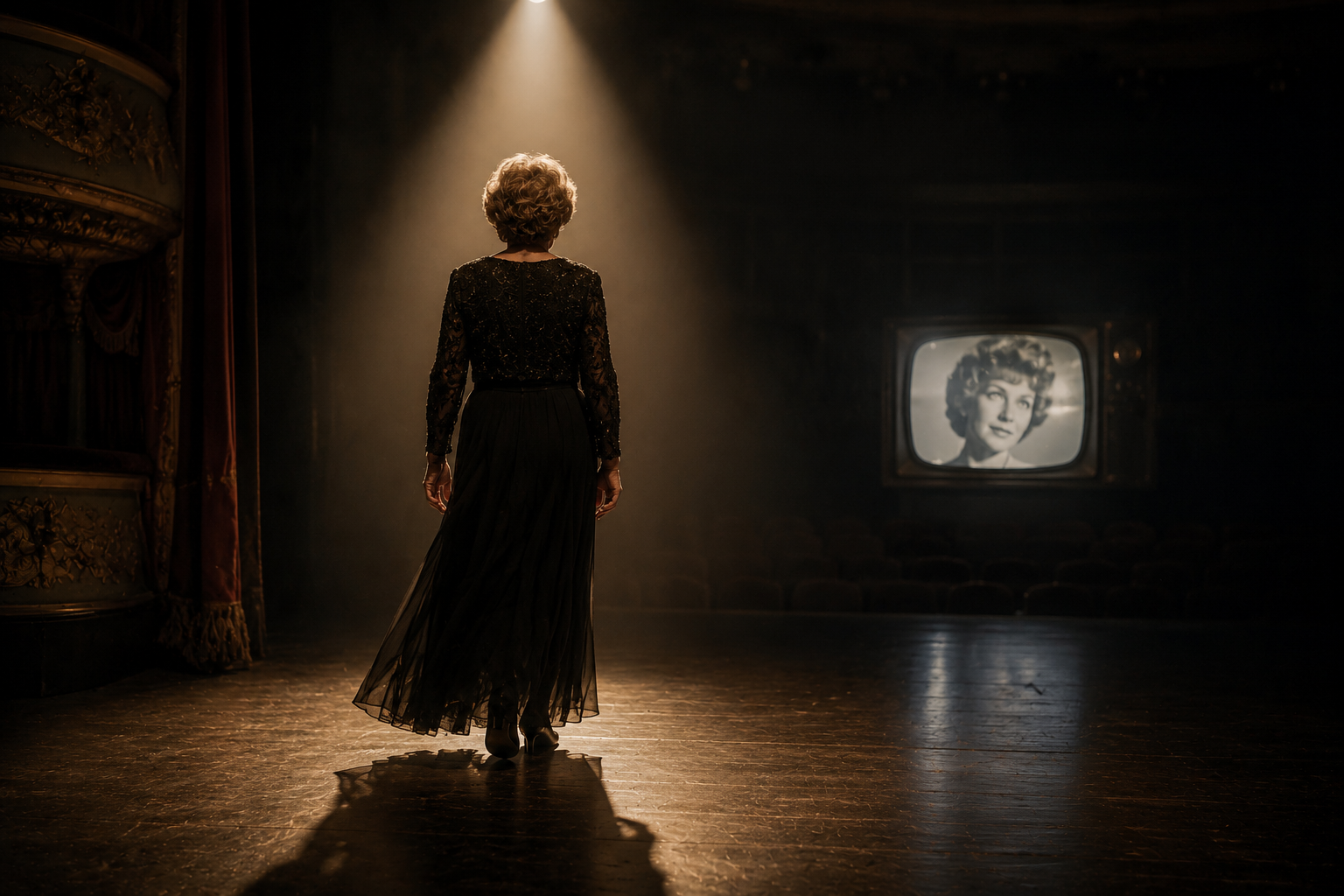
Dame Penelope Keith Dies Aged 86: Remembering A British Television Legend
The Woman Who Helped Britain Laugh Has Taken Her Final Bow
Britain has lost one of its most recognisable television stars. Dame Penelope Keith has died peacefully at her Surrey home aged 86 after living with cancer, bringing to a close a career that helped define British comedy across more than six decades. Her family confirmed her death and thanked those who cared for her during her illness while requesting privacy.
For millions, she was far more than an actress. She became the embodiment of a certain kind of British wit, elegance and confidence, creating characters who could be intimidating, hilarious and strangely lovable all at once. Her performances became woven into Britain's cultural identity, surviving long after the programmes themselves first aired.
The Face Of A Golden Television Generation
Although Dame Penelope enjoyed a distinguished stage career, television made her a household name.
Her breakthrough came in 1975 when she appeared as the unforgettable Margo Leadbetter in The Good Life. Margo's obsession with order, social status and suburban perfection made her the perfect comic foil to Tom and Barbara Good's self-sufficient lifestyle. What could easily have become a one-dimensional caricature instead became one of British television's most memorable comic performances.
The role transformed Penelope Keith into one of the country's biggest television stars almost overnight. Her immaculate delivery, razor-sharp timing and unmistakable voice made Margo instantly recognisable to audiences of every generation. She would go on to win a BAFTA for the role, cementing her reputation as one of Britain's finest comedy performers.
A Career That Refused To Stand Still
Many actors spend an entire career chasing one defining role. Penelope Keith achieved that several times.
Following The Good Life, she became equally beloved as Audrey fforbes-Hamilton in To the Manor Born. The sitcom became one of the BBC's greatest successes, attracting audiences measured in the tens of millions and turning Keith into one of the most recognisable faces on British television.
Away from sitcoms, she continued to demonstrate remarkable versatility across theatre, radio and drama. Having joined the Royal Shakespeare Company in 1963, she maintained a lifelong connection with the stage, earning an Olivier Award and appearing in productions ranging from Shakespeare to Oscar Wilde. Her ability to move effortlessly between comedy and classical theatre reflected a depth of talent sometimes overlooked because of her television fame.
More Than A Television Star
Her influence reached well beyond acting.
For decades she served the acting profession itself, becoming President of the Actors' Benevolent Fund after succeeding Laurence Olivier and dedicating years to supporting performers facing hardship. She also became closely involved with charitable work, heritage organisations and broadcasting projects celebrating Britain's history and countryside.
Recognition followed naturally. She received an OBE before later being appointed Dame Commander of the Order of the British Empire in 2014 for services to the arts and charity. It was an honour that reflected not simply popularity, but genuine national contribution.
Why She Connected With Generations
Part of Dame Penelope Keith's appeal lay in her remarkable ability to laugh at Britain's class system without ever turning her characters into cruel stereotypes.
Margo Leadbetter could be snobbish, controlling and endlessly ambitious, yet audiences rarely disliked her. Audrey fforbes-Hamilton represented old aristocratic Britain but carried herself with dignity and warmth rather than superiority. Keith understood that comedy works best when audiences recognise something truthful beneath the jokes.
Her performances also captured a changing Britain. During the 1970s and 1980s, the country experienced enormous economic, political and social transformation. Her sitcoms reflected those shifts through humour rather than confrontation, allowing viewers to laugh at changing attitudes towards class, money, aspiration and identity.
That is one reason her work continues to attract new audiences decades later. While fashions change, strong characters rarely do.
A Legacy That Outlives The Screen
Television has changed dramatically since Dame Penelope Keith first appeared on British screens.
Streaming platforms, global productions and shorter attention spans have reshaped entertainment, yet many of Britain's most celebrated sitcoms continue to rely upon performances from actors like Keith. Her work reminds audiences that memorable television is built less upon spectacle than on exceptional writing, believable characters and flawless comic timing.
She leaves behind a remarkable catalogue of performances that continue to entertain millions through repeat broadcasts and streaming services. Younger viewers discovering The Good Life or To the Manor Born today encounter performances that remain surprisingly fresh despite the passing decades.
That is perhaps the greatest measure of any actor's success. Long after fashions, politics and television schedules have changed, the laughter remains.
Dame Penelope Keith helped Britain laugh at itself without losing its affection for the people she portrayed. Few performers leave behind that kind of cultural inheritance.
Her final curtain may have fallen, but the characters she created have secured a permanent place in British television history.
