Five Dead In Northern Germany As A Welfare Facility Becomes A Crime Scene
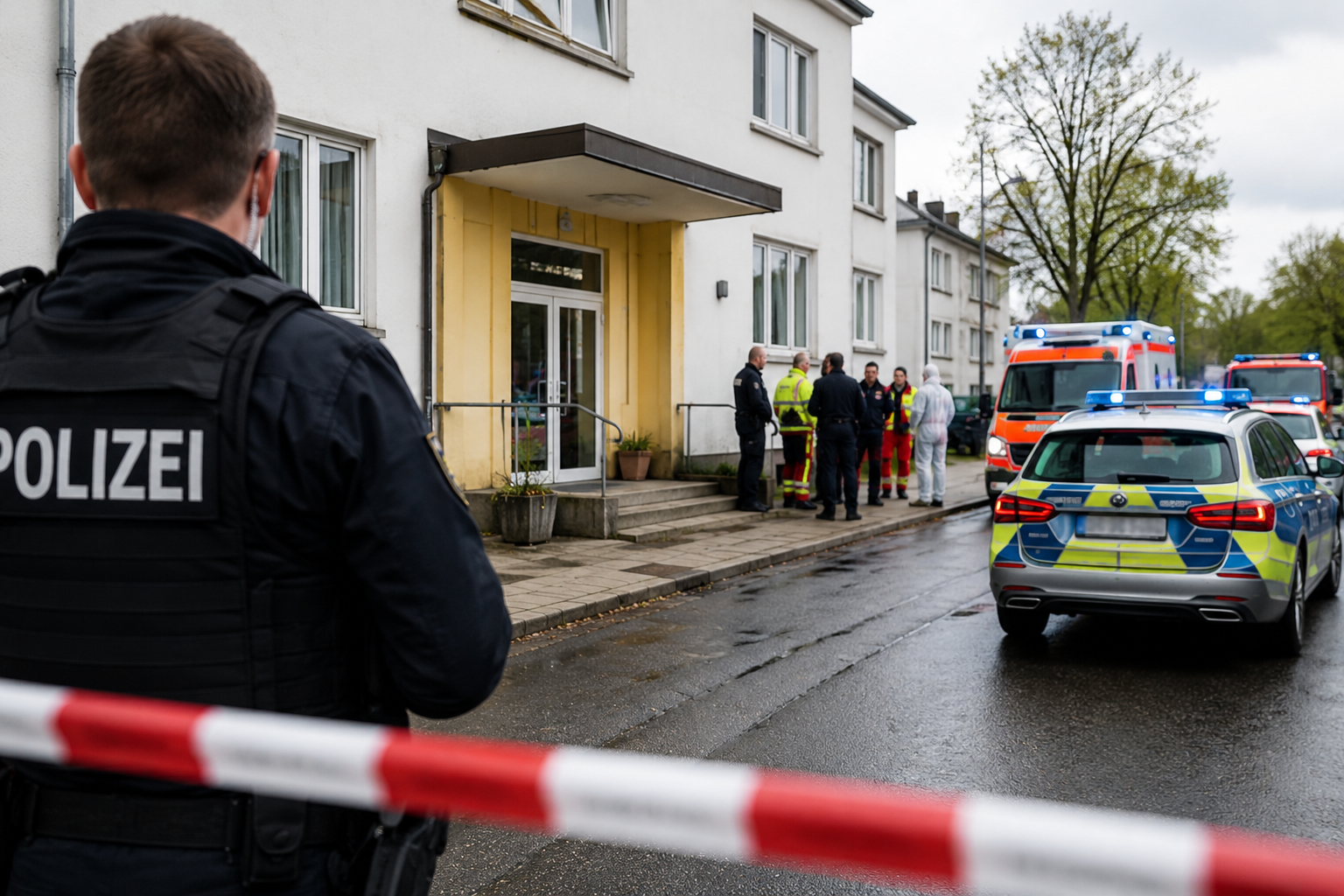
The Stade Shooting Exposes Germany’s Worst Fear: Violence Inside A Place Built For Protection
Five Dead In Stade As Police Detain Two Suspects
Five people have been killed in a shooting in Stade, a town in northern Germany west of Hamburg, after gunfire erupted at a youth welfare facility. Police confirmed that two people had been detained, including the suspected shooter, while the motive remained unclear as the investigation continued. Several others were injured, some seriously, and authorities said there was no wider danger to the public.
That is why this matters now. The horror is not only the number of dead, but the setting: a facility connected with care, support, and vulnerable lives. When violence enters a place built around protection, the story immediately becomes larger than the crime scene.
The Confirmed Horror Is Already Enough
The shooting took place on Dankersstraße in Stade, at a facility described as providing youth welfare support and temporary housing for pregnant women or young mothers with children. The dead have been described as adults, with German reporting identifying four women and one man among the victims. Police said two suspects were arrested, including the presumed shooter, and that no further suspects were believed to be on the run.
The immediate police response was large and fast. Emergency services cordoned off the area, warned people to avoid the scene, and moved to secure the wider neighborhood. The public message later shifted toward reassurance: the danger was not believed to be ongoing, even as the investigation into the background of the attack remained open.
The Motive Is Still The Most Dangerous Unknown
At this stage, the most important missing fact is motive. Police have not publicly established why the attack happened, what connection the suspected shooter may have had to the facility, or whether the victims were specifically targeted. That uncertainty matters because it shapes everything that follows: public fear, political reaction, institutional scrutiny, and the way the attack is remembered.
There is always pressure after an atrocity to turn confusion into instant certainty. That is exactly the wrong moment to overreach. The responsible position is sharper and more difficult: five people are dead, others are injured, two people are detained, and the central explanation is still unresolved.
Why The Location Changes The Meaning
A shooting in any public or private space is devastating, but a welfare facility carries a different emotional weight. These are places society creates for people who need structure, support, accommodation, or protection. When violence reaches that kind of setting, it cuts into a basic public assumption: that the most vulnerable spaces are also the most guarded.
That same pattern is visible in other stories where violence breaks into places that should feel insulated from it, from The Philippines School Shooting That Exposed A Terrifying New Fear Inside The Classroom to urban attacks where the location itself becomes part of the shock. The question is not only what happened, but why the boundary failed.
Germany’s Wider Fear Is Institutional Fragility
Mass shootings remain less common in Germany than in the United States, but rarity can make each case feel even more destabilizing. The public expectation is not that every danger can be prevented, but that the system can explain itself quickly, contain the threat, and protect the spaces that exist for care. When the details are still uncertain, confidence depends on visible control.
That is why police messaging matters so much in the hours after an attack. Authorities have to do two things at once: avoid spreading unverified claims while giving the public enough information to stay calm. The warning against false information is not a side issue; it is part of modern crisis management, because rumor can turn one crime scene into a much wider social shock.
The Human Cost Comes Before The Political Argument
The dead are not symbols first. They are people whose lives ended in a place where nobody should have expected gunfire. The injured, including those seriously hurt, now carry the second layer of the attack: survival, trauma, physical recovery, and the knowledge that a place associated with help became a place of terror.
That human reality should sit above every political reflex. There will be arguments about policing, weapons, mental health, institutional security, and whether warning signs were missed. Some of those questions may become essential, but they only become useful if they are anchored to confirmed facts rather than the need to make the story fit a pre-written argument.
The Pattern Is Not Just Crime, But Control
The most unsettling part of events like this is how quickly ordinary space changes meaning. A street becomes a cordon. A care facility becomes a crime scene. A town known mostly to its own residents becomes a national headline. That loss of control is the hidden shock beneath the visible violence.
Taylor Tailored has covered that same civic pressure before in London Shooting Leaves Four Injured And Exposes A Leadership Vacuum At The Heart Of The Capital, where the deeper issue was not only the attack itself, but how public confidence changes when violence appears to move faster than reassurance. Stade now faces its own version of that pressure.
What Happens Next Will Define The Story
The next stage is investigative rather than theatrical. Police will need to establish the relationship between the suspects, the victims, the facility, and the weapon used. Prosecutors will need a clear timeline, a reliable account of the arrests, and a motive strong enough to explain why five people were killed inside a welfare setting.
Until then, the responsible public position is restraint. The confirmed facts are already severe enough without speculation. Five adults are dead. Several others are injured. Two suspects are detained. The public is not believed to face further danger. The central question remains open.
The Question Stade Now Leaves Behind
The Stade shooting will not be remembered only because five people died. It will be remembered because of where they died: inside a place associated with care, protection, and lives already under pressure. That is the deeper wound this attack leaves behind.
The final measure of the story will not be the first police statement or the first wave of shock. It will be whether investigators can explain how a protected environment became vulnerable to lethal violence, and whether the public can still believe that the places built for safety are strong enough to deserve the name.
