Gunfire, Panic And A Festival Turned Into A Crime Scene: What We Know About The Ohio Mass Shooting
Twelve Injured After Gunfire Erupts At Popular Ohio Festival
Families Ran For Cover As Shots Rang Out At Major U.S. Festival
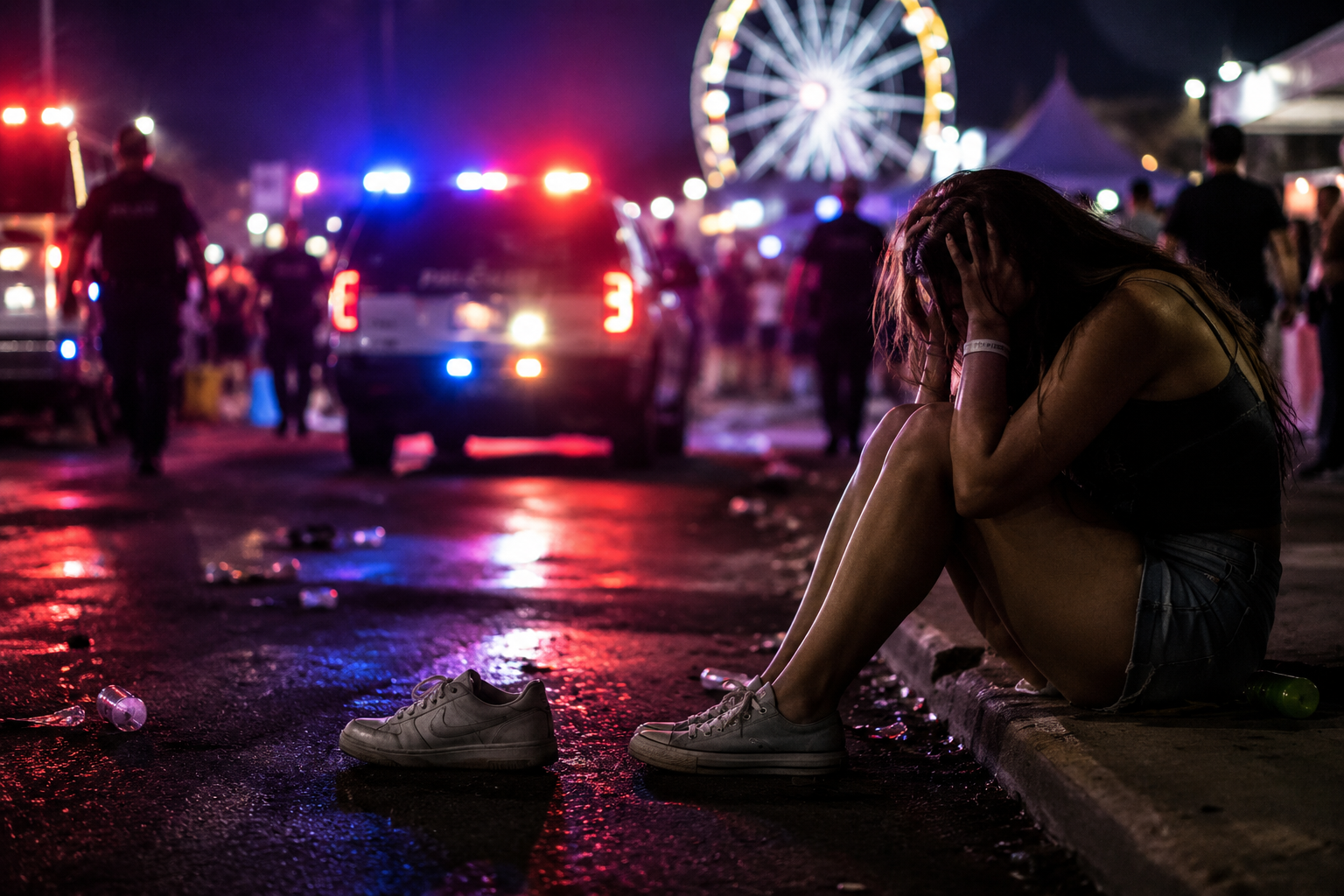
What should have been a day of music, food and community gatherings instead became a scene of panic when gunfire erupted near the Old West End Festival in Toledo, Ohio. Witnesses described crowds running for cover as shots rang out in an area packed with festival-goers. Authorities say at least twelve people were injured, with two reported in critical condition.
The festival is one of Toledo's best-known community events, attracting families and visitors from across the region. The sudden outbreak of violence transformed a celebration into an emergency response operation within moments, forcing police, paramedics and local officials into a rapidly developing crisis.
What Authorities Believe Happened
According to investigators, the current working theory is that at least two shooters were firing at one another rather than indiscriminately targeting the crowd. The result, however, was the same for those caught nearby: innocent people were struck by gunfire as chaos spread through the festival area.
Victims reportedly range in age from teenagers to older adults. Emergency crews worked under difficult conditions as roads were congested with festival traffic, yet officials say all injured individuals were transported to medical facilities within roughly an hour of the shooting.
The Search For Answers Continues
One of the most alarming aspects of the incident is that the suspected shooters initially escaped the scene. Police launched a major search effort and appealed for festival attendees to provide photographs, videos and eyewitness accounts that could help identify those responsible.
In the modern era, major investigations increasingly depend on digital evidence gathered by ordinary members of the public. Events attended by thousands of people often generate huge volumes of footage, potentially providing investigators with crucial leads that traditional witness testimony alone might miss.
Why Incidents Like This Resonate Far Beyond One City
Mass-casualty incidents at public events strike a particular nerve because they attack an assumption most people rarely think about: that community gatherings are fundamentally safe spaces. Whether it is a festival, sporting event, concert or parade, people attend expecting enjoyment rather than danger.
That is why shootings at public gatherings tend to have an impact that extends well beyond the immediate victims. Communities begin questioning security measures, local authorities face scrutiny, and organisers are forced to reconsider how future events can balance openness with protection. The psychological effect often lasts far longer than the news cycle itself.
A Community Confronts An Uncomfortable Reality
Officials and community leaders have expressed shock that one of the city's signature events became associated with such violence. Festival organisers later announced that remaining scheduled activities would not continue, reflecting both practical safety concerns and the emotional impact on the community.
For many attendees, the memory of the event will no longer be the music, food or celebrations. Instead, it will be the sound of gunfire, the rush to find safety and the uncertainty that followed.
The Bigger Question Nobody Can Ignore
The immediate priority remains identifying those responsible and ensuring justice for the victims. Yet the broader question is harder to answer. Across the United States, communities continue searching for ways to preserve the openness and spirit of public gatherings while reducing the risk of sudden violence.
What happened in Toledo is still under active investigation, and many details remain unknown. What is already clear, however, is that a summer festival intended to bring people together instead became another reminder of how quickly normal life can be disrupted when violence erupts in a crowded public space.
