

Hormuz Talks Stall As The Gulf’s Alternative Oil Routes Come Under Pressure
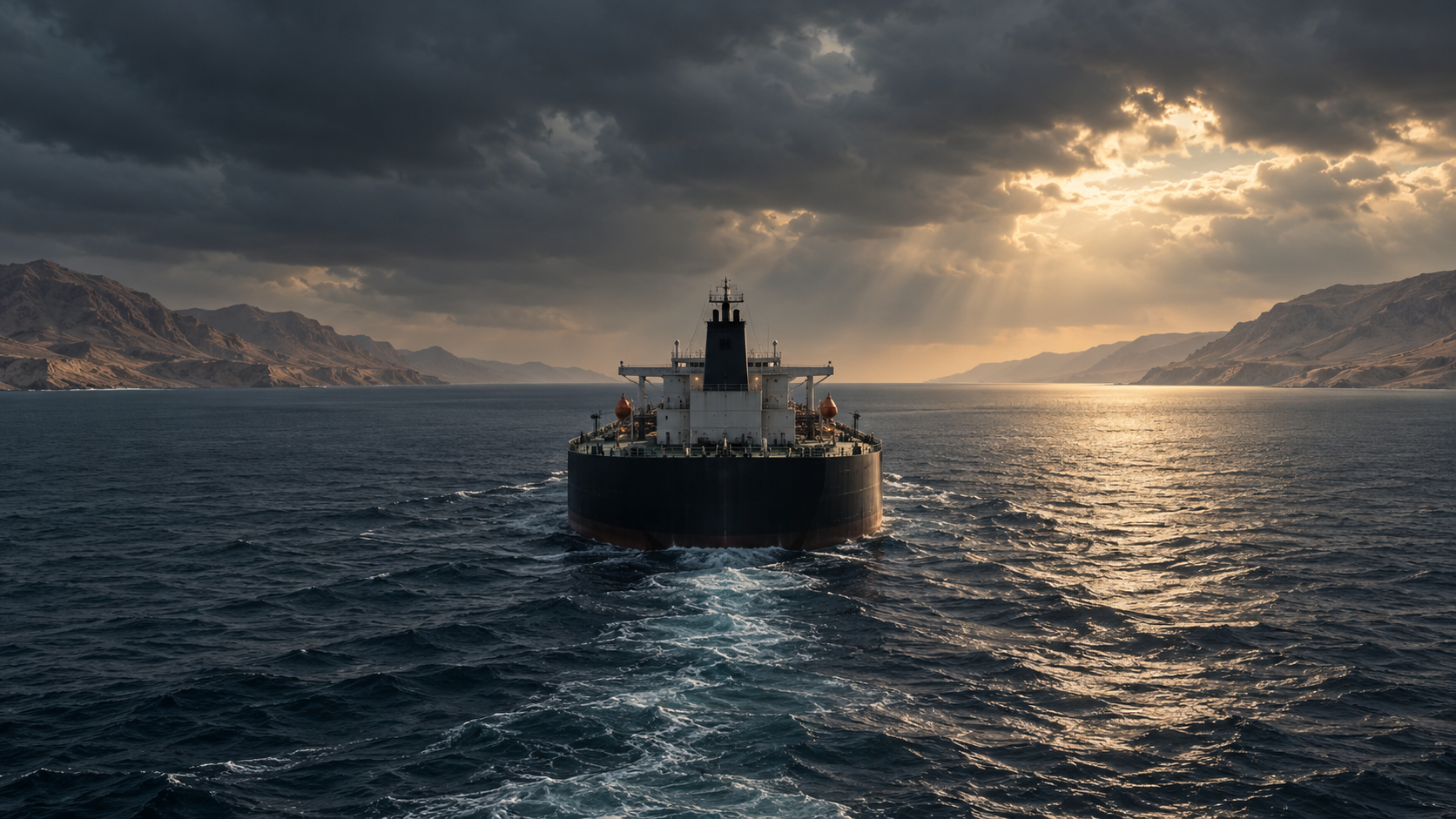
The Gulf’s Backup Oil Routes Face Their Own Test
What Would Show That Hormuz Shipping Is Recovering?
The immediate energy risk is whether alternative export routes can keep working while diplomacy falters.
Gulf Arab states called off a meeting with Iran planned for Monday, Reuters reported on 14 September, as renewed fighting increased pressure on the region’s energy routes. Yemen’s Houthis also claimed an attack on a Saudi airbase; their account of damage should be treated as a combatant’s claim.
The diplomatic setback matters because Saudi Arabia’s East-West pipeline, an important alternative to shipping through the Strait of Hormuz, has also been disrupted. Together, these developments raise a practical question: how much export capacity remains usable when the main route and its alternatives face trouble at the same time?
Why An Alternative Pipeline Matters
The US Energy Information Administration describes Hormuz as a critical passage between Gulf producers and the wider ocean. Its geographical importance comes from the concentration of export infrastructure behind a relatively narrow exit. Moving oil across land to a different coast can reduce dependence on that exit, provided the pipeline, terminal and onward shipping route all remain available.
That final condition is easy to miss. A pipeline does not deliver a barrel directly to an overseas refinery. It delivers it to another point in a transport system. Pumps, storage tanks, loading berths, ships and safe onward passage still have to function.
Consider an illustrative exporter with two routes. One normally carries 70 units and another 30. If the larger route stops, the smaller route cannot automatically carry 100 simply because it remains open. Spare capacity, available vessels and terminal limits determine how much can actually be diverted. If the second route is then interrupted, the system loses both immediate throughput and the option on which emergency planning depended.
Why A Postponed Meeting Can Move Expectations
Talks do not have to produce a comprehensive peace agreement to matter commercially. An arrangement that reduces the risk of attack, clarifies passage procedures or improves communication can change whether owners are willing to dispatch ships. Conversely, a postponement can lengthen the period during which operators face uncertainty.
That does not establish that negotiations have failed permanently. Nor does it prove that every proposed agreement would restore normal trade. A diplomatic announcement and an operating shipping corridor are separate milestones.
The next useful evidence would be a confirmed replacement meeting, agreed measures and observable changes in actual movements. Statements about progress need to be compared with departures, arrivals and completed deliveries.
Traffic Data Has Its Own Blind Spots
Reuters separately reported subdued commodity-vessel movements through Hormuz over the weekend. Ship-tracking evidence is valuable, but a count from one provider is not an exhaustive register of every passage. Vessels may transmit intermittently, classifications can differ and observations can be revised.
For readers, this means a dramatic daily figure should be accompanied by its scope. Does it count ships or cargo volume? Inbound movements or outbound exports? All vessels or commodity carriers? A small number of large loaded tankers can represent a different supply picture from the same number of smaller ships in ballast.
What Would Signal Improvement?
The same distinction between raw supply and usable fuel underlies why diesel can come under pressure.
The most informative combination would be sustained pipeline operation, resumed loading and repeated safe transits. One successful voyage would be encouraging without establishing that the disruption had ended. A repair estimate would be useful without proving that normal output had returned.
There are also two distinct time horizons. Restoring physical operations can improve available supply relatively quickly. Rebuilding commercial confidence may take longer, particularly where crews, owners and insurers need evidence that protection will last.
For now, the strongest reading is that the region’s capacity to work around disruption is itself under pressure. The question to follow is how many barrels can leave reliably, through which routes, and for how long—not simply whether another round of talks is announced.
