

Houthis Seize Two More Red Sea Islands As Pressure On Shipping Grows
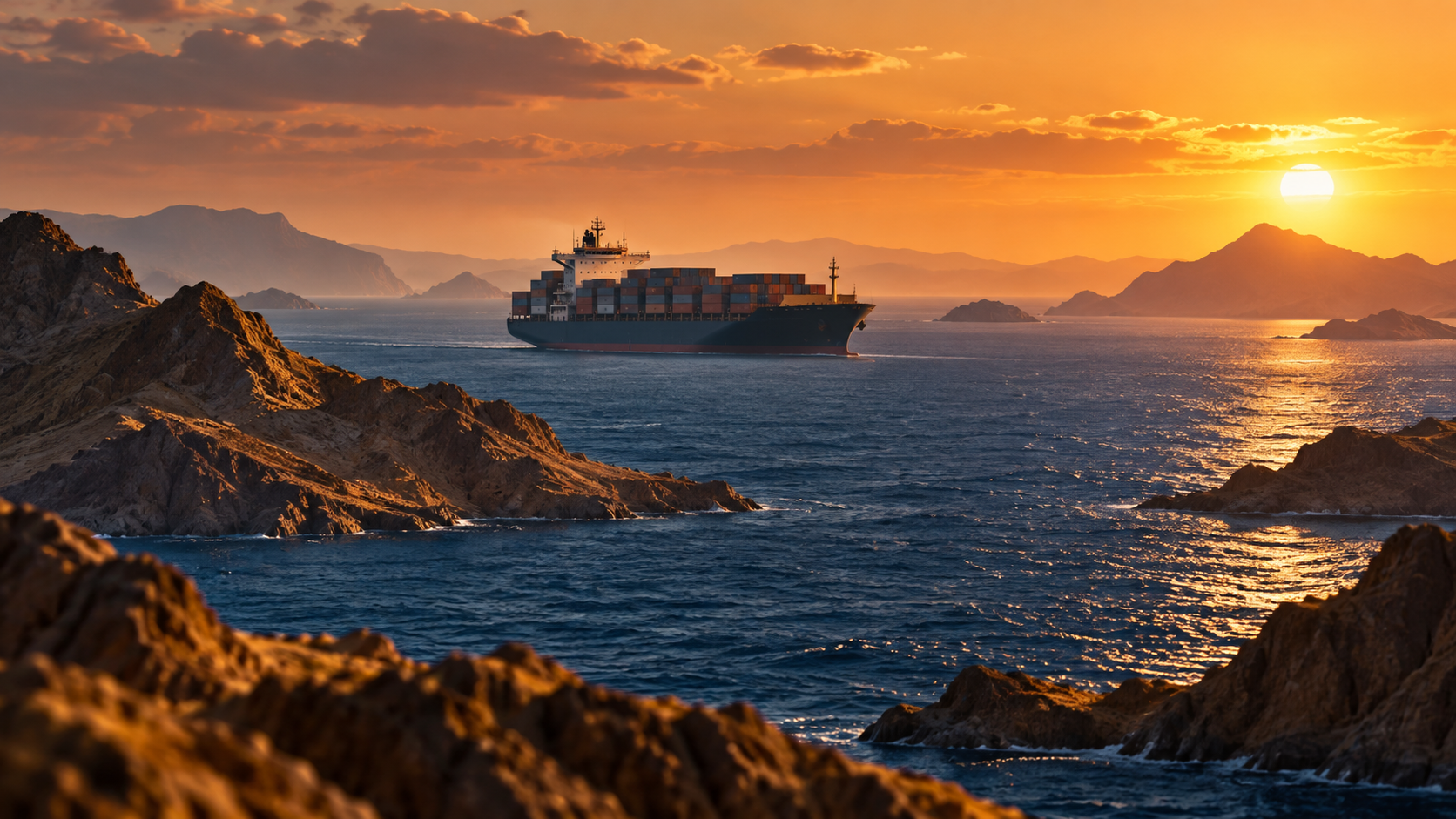
Houthi Island Gains Add Pressure To Yemen’s Maritime Corridor
Two More Islands, A Wider Question For Red Sea Trade
The reported capture of Greater and Lesser Hanish adds to a coastal advance that is putting shipping resilience under renewed scrutiny.
Yemen’s Houthis have taken Greater and Lesser Hanish in the southern Red Sea, according to Houthi officials cited by the Associated Press on 14 September. The reported seizure is a fresh development in the group’s advance around a strategically important maritime corridor.
These are the Hanish islands named in the latest report. They should not be confused with Perim, also known as Mayyun, whose earlier capture brought attention to the narrow Bab el-Mandeb entrance to the Red Sea.
Why These Islands Matter
Euronews previously reported the Houthi arrival on Perim after government forces withdrew, alongside fighting around other islands and the Yemeni coast. Reuters had also documented the advance towards Dhubab and the seizure of Mokha. Together, those reports describe a widening coastal campaign rather than one isolated landing.
Territorial gains can matter to shipping without every vessel immediately being stopped. Operators have to judge whether a voyage can be completed safely and predictably. An assurance of passage is less useful if the conditions attached to it can change while a ship is at sea.
That is the central distinction in this story: possession of an island, the ability to threaten traffic and the actual interruption of a particular shipping route are different things. The latest report strengthens concern about the first two. It does not, by itself, establish that all commercial traffic through the Red Sea has ceased.
A Backup Route Under Pressure
Separate AP reporting describes damage to Saudi Arabia’s East-West Pipeline and a repair period estimated by regional officials at several weeks. The line helps move crude towards the kingdom’s Red Sea coast. Its condition is therefore relevant to the same export network, although it is a separate incident from the island seizures.
For a transport system to provide a reliable alternative, each stage has to work: inland movement, storage, loading and the onward sea passage. Spare capacity at one stage cannot automatically overcome a restriction at another. An available tanker is of limited help if its cargo cannot reach the terminal.
Taylor Tailored’s examination of the Gulf’s alternative oil routes explains why a backup can share vulnerabilities with the route it was meant to replace. The consequence depends on the whole journey, not a single line on a map.
What Would Show A Lasting Disruption?
The most useful evidence now would be shipping notices, confirmed changes in sailings, port operating information and sustained changes in delivered volumes. Those indicators would help distinguish an immediate security shock from a prolonged reduction in usable capacity.
It would also be premature to turn the island news into a precise forecast for British fuel prices. Contract terms, inventories, exchange rates and the duration of disruption all affect the transmission to consumers. Our guide to how an oil-price shock reaches household bills sets out that sequence.
The latest Houthi gains matter because they make an already difficult route harder to rely upon. The decisive commercial question is how much traffic can continue, under what conditions, and for how long.
