

“I’m The Boss”: Trump Dominates G7 As World Leaders Seek His Backing
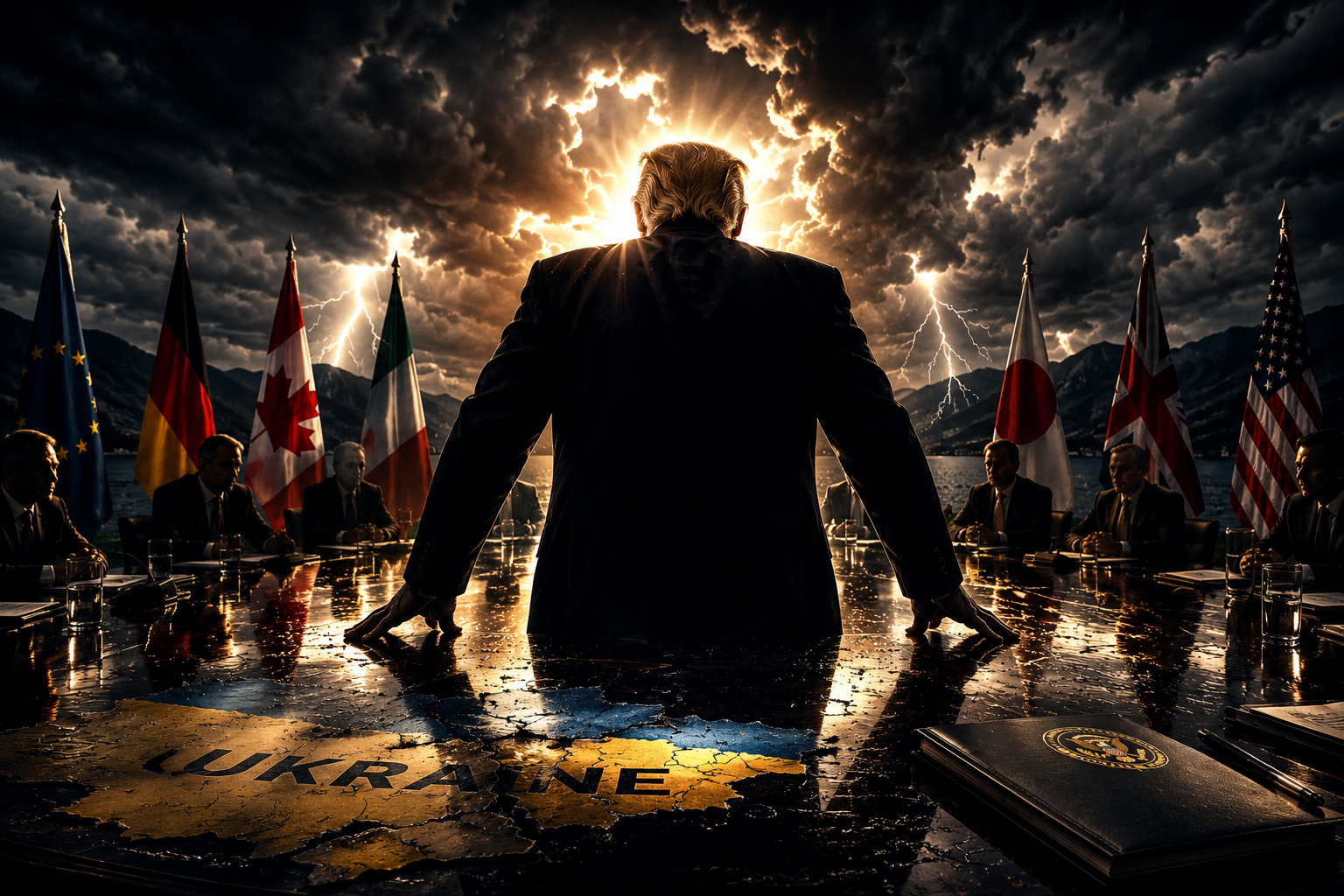
The Hidden Message Behind Trump’s G7 Dominance Display
Trump Reminds The G7 Who Leads As Ukraine Momentum Shifts
Trump Arrived As The Central FigureWhen Donald Trump walked into a G7 session and joked, "I'm the boss," the room laughed.
Most headlines focused on the joke itself.
The more interesting story was the reaction. The world's most powerful leaders were gathered in one room, discussing Ukraine, Russia, Iran, energy security and the future of the global economy. Yet much of the diplomatic effort throughout the summit revolved around one person: Donald Trump.
Whether allies support him or oppose him politically, they understand a simple reality. The United States remains the dominant military, economic and diplomatic force within the Western alliance. If major decisions are going to be made, Washington will ultimately play a decisive role. That reality was visible throughout the summit.
Why The G7 Needed Trump
Many political commentators continue to frame international gatherings as collective exercises in diplomacy.
The reality is often different.
European leaders arrived in France hoping to persuade Trump that Ukraine's position had improved and that continued pressure on Russia could help bring the conflict closer to a negotiated conclusion. They were not trying to convince each other. They were trying to convince Trump.
That alone tells a story.
If the summit had no need for American leadership, there would have been little reason for leaders to spend so much time attempting to influence the American president's thinking. Instead, discussions repeatedly returned to how Trump viewed the conflict, how he viewed Russia and how he viewed the path toward peace.
A Different Approach To Ukraine
Trump's critics often portray him as either entirely pro-Ukraine or entirely pro-Russia depending on the political argument of the day.
The summit demonstrated something more nuanced.
Trump's approach appears rooted less in ideology and more in leverage. Following meetings with Ukrainian President Volodymyr Zelensky, Trump indicated that Russia should make a deal and expressed optimism about the possibility of ending the war. Several European leaders described him as engaged, attentive and cooperative during discussions.
This matters because leverage changes negotiations.
Ukraine and its allies have spent months attempting to demonstrate that Russia is not achieving the decisive victory many expected. Improved Ukrainian military performance and pressure on Russian infrastructure have strengthened Kyiv's position. Those arguments appear to have gained greater traction with Trump than many observers anticipated.
Leadership Through Strength
Supporters of Trump have long argued that he views diplomacy differently from many traditional political leaders.
Rather than beginning with international consensus, he begins with power.
Rather than focusing on diplomatic process, he focuses on outcomes.
Rather than asking what institutions want, he asks what serves American interests.
That style frustrates critics but it also explains why leaders continue investing enormous effort into securing his support. Whether the issue is Ukraine, Iran, trade or energy security, Trump's position can materially alter the outcome of negotiations. The summit repeatedly reinforced that reality.
The Hidden Message Behind The Joke
The "I'm the boss" comment worked because everyone in the room understood the deeper point.
Trump was not formally in charge of the summit.
Yet the discussions repeatedly highlighted how much influence he possesses.
World leaders wanted his support on Ukraine. They wanted his cooperation on sanctions. They wanted alignment on security issues. They wanted American engagement in future negotiations. Even when disagreements existed, nobody could ignore the importance of securing Washington's backing.
That is why a seemingly throwaway remark generated so much attention.
The joke landed because it reflected an underlying reality.
What Happens Next
The most important development from the summit was not the headline-grabbing quote.
It was the possibility that Trump's position on Ukraine continues to evolve as battlefield realities change. He stopped short of making major new commitments, but his language was noticeably more positive than many expected, and leaders left the summit expressing greater optimism than before.
The broader lesson is equally significant.
For all the discussion about multilateral institutions, international alliances and collective decision-making, moments like this reveal where influence ultimately resides. The G7 summit brought together some of the most powerful leaders on Earth. Yet throughout the week, one fact remained impossible to ignore.
Donald Trump was not merely participating in the conversation.
He was shaping it.
