Iran Just Rewrote The Endgame: No Ceasefire, Only Permanent Peace — And A Price To Match
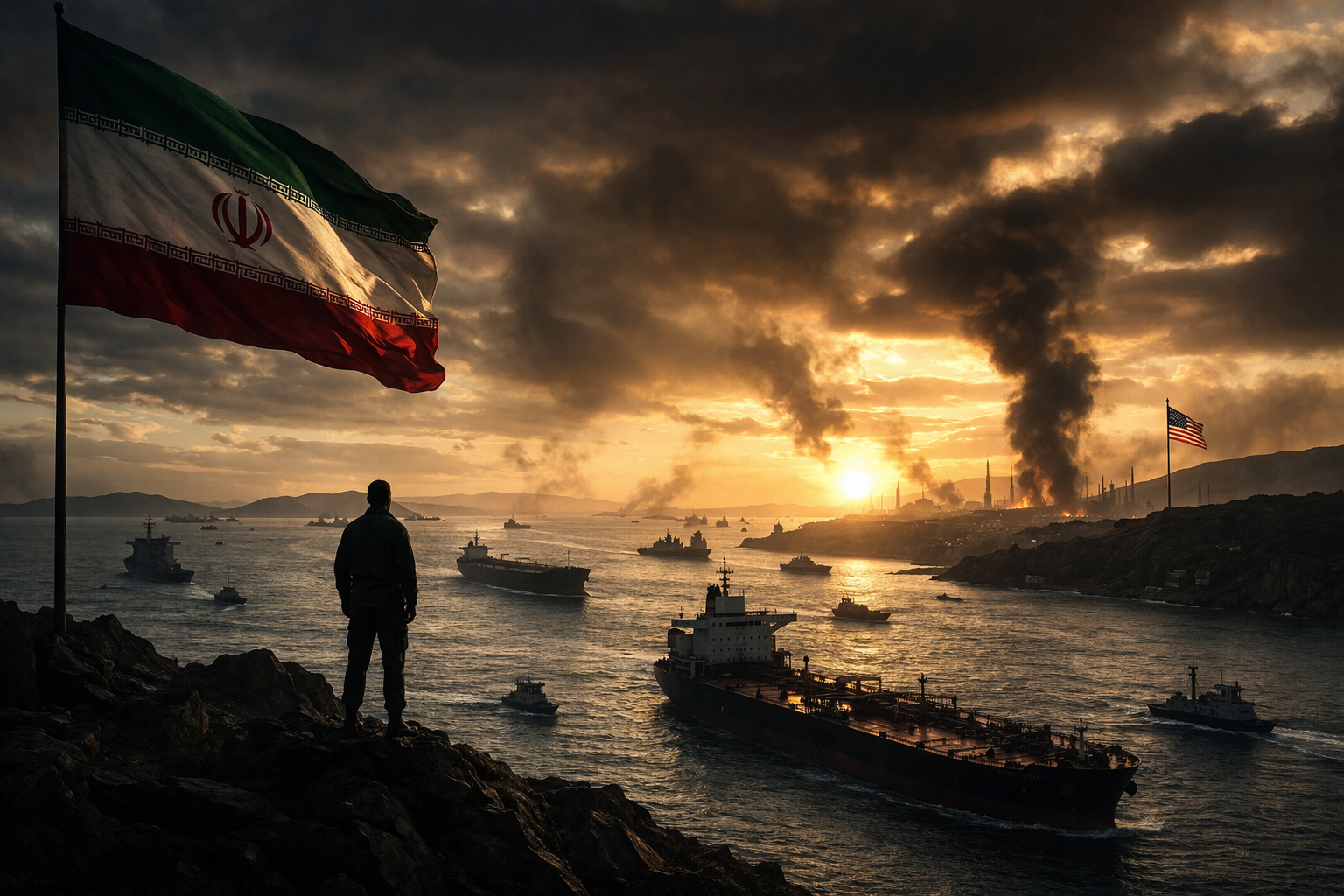
Iran Rejects “Pause” Deal And Demands Total End To War — With Compensation And Guarantees
Tehran is no longer negotiating a pause — it is negotiating the terms of the war’s final outcome, forcing the US and its allies into a far more consequential decision than they expected.
The ceasefire was never the real negotiation.
The proposed ceasefire was supposed to be the off-ramp—a temporary pause to stop escalation, stabilize markets, and create space for diplomacy.
Iran has just made it clear: that was never the deal.
Instead of accepting a short-term truce, Tehran has explicitly rejected any temporary ceasefire framework and is demanding a permanent end to the war — with guarantees, compensation, and structural changes to the regional order.
That single shift changes everything.
This is no longer a negotiation about stopping violence. It is a negotiation about who wins the peace.
From “Pause” To Permanent Settlement
The US-backed approach—including proposals for a 45-day ceasefire or a two-week pause—was built on a familiar logic: pause the fighting and negotiate later.
Iran’s response is built on the opposite assumption: a pause simply allows the enemy to regroup.
Tehran’s demands now include:
A permanent ceasefire with no time limit
Guarantees that attacks will not resume
Full compensation for war damage and reconstruction
Lifting of sanctions and release of frozen assets
A new framework for control and security in the Strait of Hormuz
This is not a negotiating position designed for compromise.
It is a negotiating position designed to reset the entire structure of the conflict.
Why Iran Is Rejecting The “Temporary” Model
There is a clear strategic logic behind this approach.
From Tehran’s perspective, temporary ceasefires are not peace—they are cycles.
Pause. Re-arm. Strike again.
Iranian officials have explicitly framed short-term deals as dangerous, arguing they allow adversaries to “regroup and strategize” before the next phase of conflict.
That tells you how they see the current moment:
They view the current moment not as the end of a war cycle, but as the point where they can break that cycle.
And the only way to break it, in their view, is to force a permanent settlement now, while leverage still exists.
The Strait Of Hormuz: The Hidden Lever
At the center of this entire confrontation sits one of the most critical chokepoints in the global economy: the Strait of Hormuz.
Roughly one-fifth of global oil supply moves through it.
Iran understands this leverage—and is using it.
Among its demands are:
Control over navigation protocols
The right to impose fees on shipping
Guarantees of secure passage under its terms
This transforms the conflict from a military confrontation into something much larger:
The conflict now involves a negotiation over the control of a critical artery of the global economy.
What Media Misses
Most coverage is still treating the situation as a ceasefire negotiation.
It isn’t.
It is a transition point between two entirely different types of conflict:
Short-term military escalation cycles
Long-term geopolitical restructuring
Iran is not rejecting a ceasefire because it wants more war.
It is rejecting a ceasefire because it believes a temporary pause locks in a losing structure — one where it remains permanently vulnerable to future strikes.
What it is demanding is instead something far more ambitious:
A deal that removes the possibility of that cycle entirely.
Why This Puts The US In A Corner
This is where the pressure flips.
A temporary ceasefire is easy to agree to. It necessitates minimal concessions and maintains flexibility.
A permanent settlement is the opposite.
To accept Iran’s terms—even partially— would mean:
Committing to no future strikes
Accepting compensation obligations
Potentially conceding influence over Hormuz
Reframing the entire regional security structure
That is not a tactical decision.
That is a strategic reset.
And it is precisely why US officials have already signaled that Iran’s proposal is “not good enough,” even while acknowledging it as significant.
What Happens Next
Three paths are now emerging:
1. Temporary Deal Forced Through
The US pushes for a short-term ceasefire anyway, betting that pressure and time will weaken Iran’s position.
2. Negotiations Escalate Into A Bigger Deal
Talks evolve into a broader settlement—slower, more complex, but potentially transformative.
3. Collapse And Renewed Escalation
If neither side yields, the ceasefire window closes, and the conflict resumes with higher stakes.
This stage is the most dangerous phase.
Because both sides now understand the leverage—and the consequences of failing to use it.
The Real Shift
The most important change is not the fighting.
It is the frame.
The war is no longer being negotiated as something to pause.
It is being negotiated as something to end—permanently, structurally, and on terms that will shape the region for years.
That raises the stakes dramatically.
Because ending a war is always harder than stopping one.
Moreover, it becomes significantly more consequential once you achieve it.
