Iran Says The Fighting Is Over. Israel Says Prepare For Days Of War
Trump Pushes Peace. Israel Prepares For A Longer Conflict
Two Completely Different Stories Are Emerging
On the surface, the news appears encouraging. Iran has indicated that its current military operations have ended, while Donald Trump has publicly suggested that both sides are moving toward an immediate ceasefire. For a region exhausted by escalation, that sounds like the beginning of a diplomatic breakthrough.
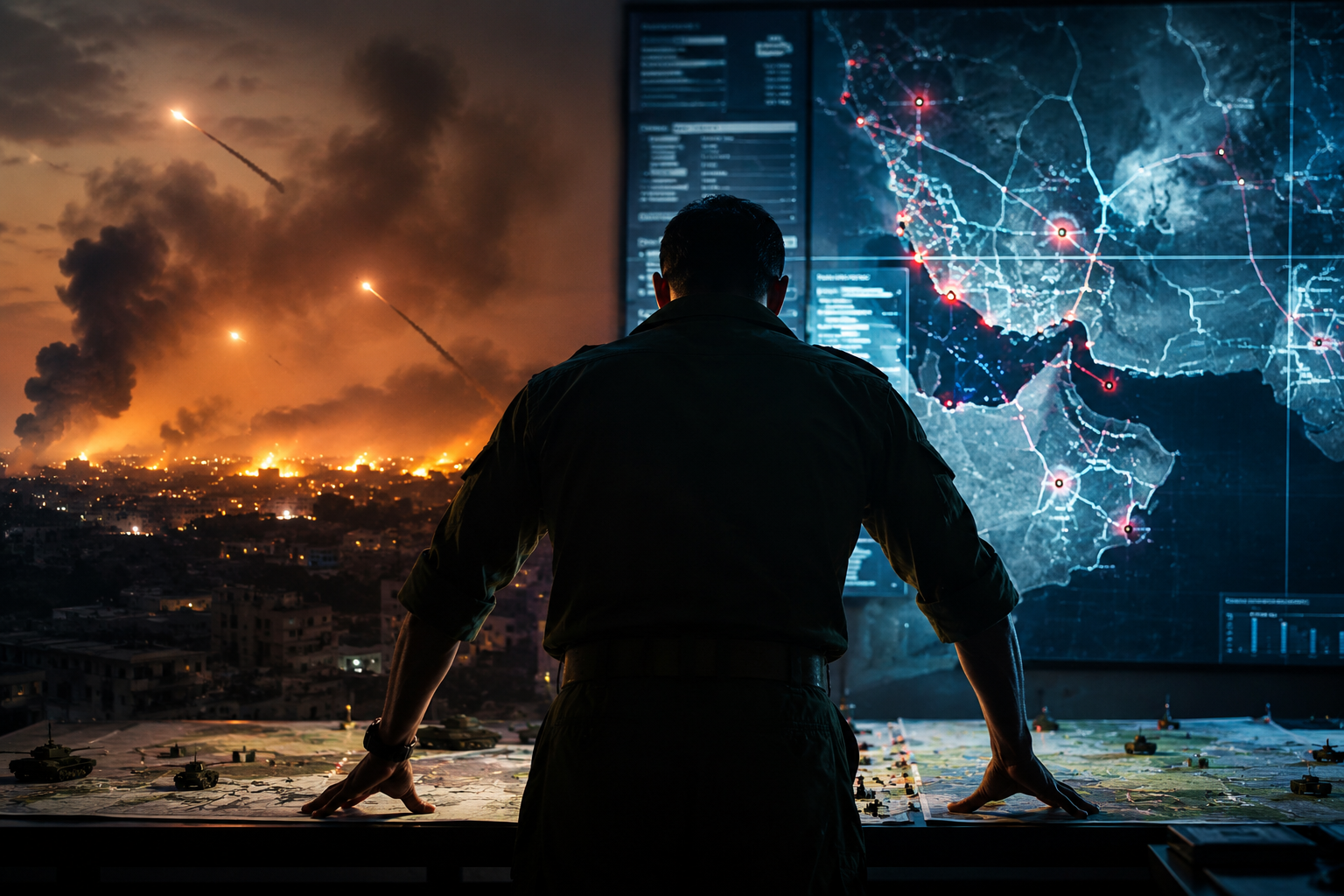
The problem is that military assessments are telling a different story. Israeli military sources are reportedly preparing for the possibility that the confrontation could continue for several more days, with reserve-force preparations and tighter domestic security measures reflecting a far more cautious outlook.
Why This Contradiction Matters
Conflicts rarely end when politicians announce that they should. They end when the incentives for fighting become weaker than the incentives for restraint.
That is why the gap between public diplomacy and military preparation is so important. If Iran genuinely believes it has completed its objectives while Israel believes further military action may still be required, the risk of miscalculation remains extremely high. A single missile strike, air raid, or retaliatory operation could rapidly unravel any progress made behind closed doors.
The contradiction creates a powerful uncertainty gap. Investors, governments, military planners, and ordinary citizens are all trying to answer the same question: are we watching the end of a crisis, or merely a pause before the next phase?
Trump's Optimism Faces A Battlefield Reality Test
Trump's message has been straightforward. He has repeatedly pushed for de-escalation and publicly expressed confidence that both sides want a ceasefire. His statements have helped fuel hopes that the confrontation can be contained before it expands further.
Yet military organisations are not paid to be optimistic. They are paid to prepare for the worst-case scenario. When military commanders believe fighting may continue for several days, they plan accordingly regardless of diplomatic rhetoric. That does not mean peace efforts have failed. It means they are not trusted yet.
History repeatedly shows that ceasefires are often most vulnerable during the period immediately after they are announced. Expectations rise, nerves remain raw, and both sides remain heavily armed and on high alert.
The Bigger Fear Is Regional Escalation
The immediate issue is not simply Iran and Israel. The broader concern is what happens if other actors become involved.
Recent developments have already shown how quickly the conflict can widen beyond a direct bilateral confrontation. Missile exchanges, regional proxy groups, shipping concerns, and strategic infrastructure all create pathways for a local crisis to become a much larger geopolitical event.
This is why markets reacted so aggressively to developments over the weekend. Oil prices surged on fears of escalation before easing as ceasefire hopes re-emerged. The speed of those movements demonstrated how sensitive the global economy remains to events in the Middle East.
What Happens Next
The next few days matter more than the statements being made today.
If the military assessments prove overly cautious and no major incidents occur, the current ceasefire momentum could harden into something more durable. In that scenario, Trump's optimism will look well founded and the latest exchange of strikes may be remembered as a dangerous but temporary flare-up.
If, however, either side launches another significant operation, the narrative changes instantly. What currently looks like a peace process would instead be viewed as a failed attempt to halt a conflict that neither side was truly ready to end.
That is why the most important headline is not Iran's claim that operations are over. It is not even Trump's declaration that a ceasefire is within reach.
The most important headline may be the warning coming from Israeli military assessments: prepare for several more days of conflict. Until that prediction is proven wrong, the possibility of renewed escalation remains very real.Two
