Iran Warns It Is “Waiting” for US Ground Invasion as War Edges Toward Direct Confrontation
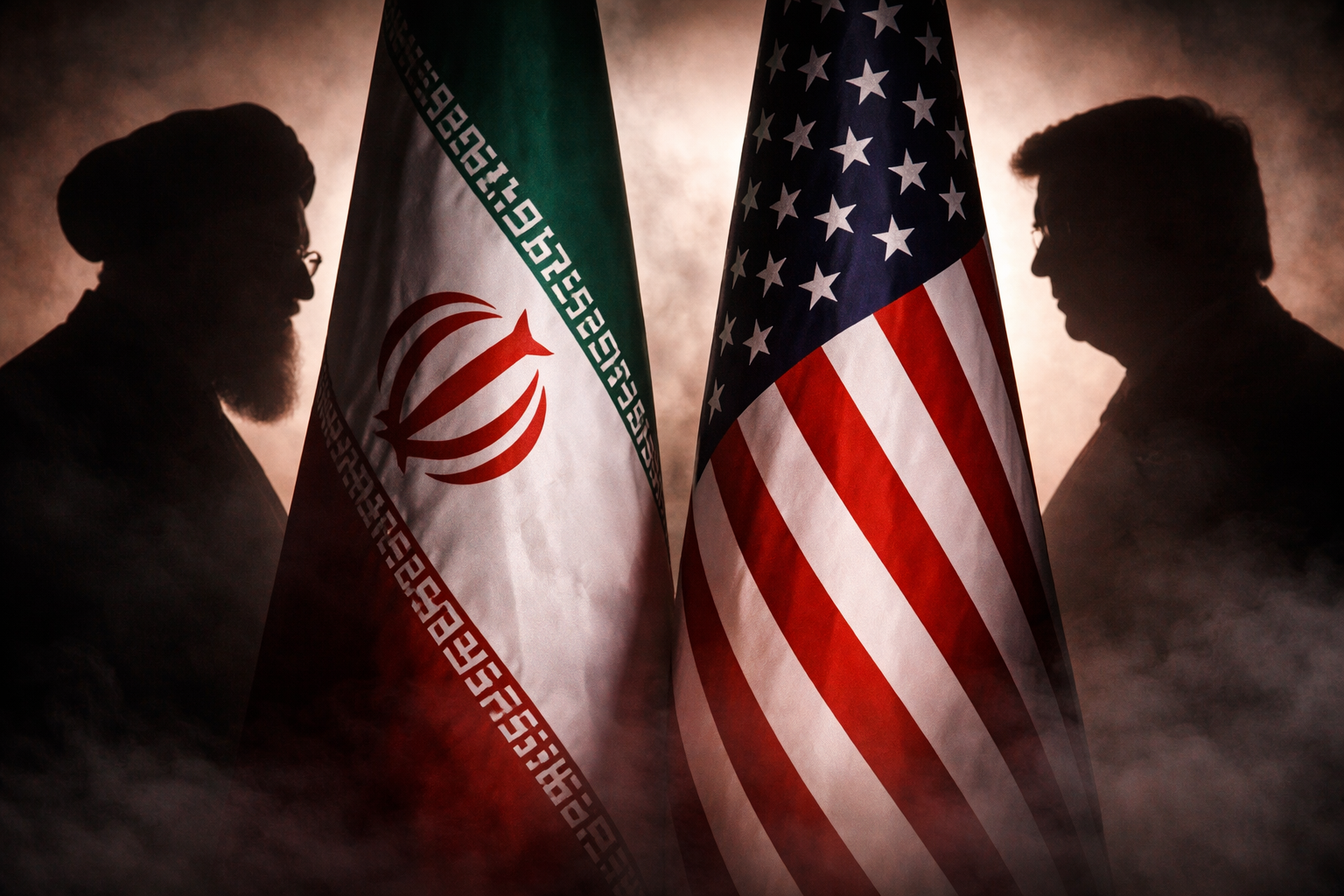
One Step From War: US Troops Move as Iran Prepares to Fight
Iran–US War Escalation: “We Are One Step From Ground War” as Tehran Signals Readiness
The risk of a direct US ground invasion of Iran has moved from hypothetical to an actively planned contingency—but not yet a confirmed decision.
Recent developments show a sharp escalation:
The US has deployed thousands of troops, marines, and airborne units to the Middle East
The Pentagon is actively preparing ground operation scenarios, including raids on strategic targets like oil infrastructure
Iran has responded by warning it is “ready” and waiting for a ground invasion, signalling full confrontation readiness
The United States is now preparing for potential ground operations inside Iran, while Tehran signals it is ready for exactly that scenario. The situation has escalated to a point where both sides are openly acknowledging the possibility of direct war on Iranian soil.
What has changed is not just rhetoric but military posture. US troop deployments, contingency planning, and target selection suggest operational readiness, even as political leaders stop short of confirming an invasion.
The overlooked hinge is this: the US may be planning something more limited, faster, and strategically surgical instead of a traditional invasion, but that still triggers full-scale retaliation.
The narrative hinges on whether Washington transitions from an air war to a ground invasion.
Key Points
The US has deployed thousands of troops to the region, including marines and airborne units, signaling real escalation readiness
Pentagon planning includes weeks-long ground operations or targeted raids, not necessarily full occupation
Iran has warned it is prepared for a ground invasion and has hinted at “surprises” for US forces
Strategic targets under consideration include Kharg Island, a critical hub for Iran’s oil exports
Iran has threatened to expand the war by targeting global chokepoints and infrastructure if invaded
Despite escalation, analysts suggest a full-scale invasion remains unlikely—but miscalculation risk is rising fast
The Military Reality: This Is No Longer Theoretical
The current US posture goes beyond deterrence.
Troop movements now include:
Marine expeditionary units
Airborne divisions
Naval strike groups positioned near key Iranian waters
These are not symbolic deployments. They are force packages designed for rapid-entry operations—short, targeted missions that can escalate quickly.
Internally, US planners are preparing options ranging from the following:
Special forces raids
Seizure of strategic assets
Temporary ground presence
Crucially, troop numbers remain far below those used in Iraq or Afghanistan. That signals something different: speed over scale.
Iran’s Response: Deterrence Through Escalation
Iran’s strategy is clear—make any ground invasion too costly to attempt.
Recent warnings indicate:
Retaliation across the entire region
Expansion of attacks on US bases and allies
Threats to global shipping routes and energy infrastructure
Iran is not positioning for defense alone. It is preparing to turn any invasion into a regional war.
This includes leveraging:
Proxy forces (Hezbollah, Houthis, militias)
Missile and drone saturation attacks
Control over strategic chokepoints
The message is simple: a ground invasion does not stay contained.
Where This Escalation Actually Began
The current trajectory traces back to the late-February strikes that triggered direct US–Iran confrontation.
Since then:
Airstrikes have intensified
Casualties have risen
Regional actors have been pulled in
The conflict is no longer bilateral. It is now a multi-front regional war environment.
Recent developments show:
Missile exchanges across Gulf states
Drone attacks on infrastructure
Strikes extending into Lebanon and Iraq
Each layer adds pressure—and reduces the space for diplomacy.
What Most Coverage Misses
Most reporting frames the situation as a binary: invasion vs no invasion.
That doesn't seem right.
The real risk sits in the middle: limited ground operations that trigger unlimited escalation.
A raid on a critical site—like an oil terminal or nuclear facility—does not look like an invasion on paper. But from Iran’s perspective, it is.
That distinction matters because
The US may believe it is avoiding full war
Iran may respond as if full war has already begun
Such a scenario creates a classic escalation trap.
Short-duration operations—designed to reduce risk—can actually increase the probability of uncontrollable retaliation, especially when:
National sovereignty is breached
Strategic assets are targeted
Domestic political pressure demands a response.
This process is the way conflicts tip from controlled to chaotic.
The Power Shift: Who Gains, Who Risks Everything
The United States holds overwhelming conventional superiority. But that advantage fades on the ground.
Iran’s strengths are asymmetric:
Terrain familiarity
Distributed forces
Proxy networks across the region
A ground engagement flips the battlefield from
Controlled strikes → unpredictable warfare
Air dominance → vulnerability to ambush and attrition
For Washington, the risk is not defeat—it is entanglement.
For Tehran, the risk is not collapse—it is regime survival under pressure.
Both sides have incentives to avoid full war. But both are positioned as if it might happen anyway.
Why This Matters Beyond the Battlefield
The consequences extend far beyond Iran.
Already:
Global energy markets are destabilizing
Shipping routes are under threat
Insurance costs and trade disruptions are rising
Critical chokepoints like the Strait of Hormuz and Bab al-Mandeb are now active risk zones.
Any escalation could:
Spike oil prices dramatically
Disrupt global supply chains
Trigger economic shocks worldwide
This is not a regional story. It is a global system stress test.
The Next 72 Hours: Signals That Decide Everything
The situation now hinges on a small set of observable signals.
Watch for:
US movement of ground units toward staging areas
Naval positioning near key Iranian assets
Iranian missile pre-positioning or proxy activation
Breakdown of ongoing diplomatic talks
If ground forces cross into Iranian territory—even briefly—the conflict changes fundamentally.
The Edge of War: What Happens If Diplomacy Fails
The situation is no longer about whether tensions are rising. They already have.
The real question is whether the next move is
A controlled strike
Or the start of something far larger
The path ahead is unmistakable:
Limited operations that spiral
Or restraint that holds
The defining signal will not be rhetoric but movement on the ground.
If that line is crossed, history will likely mark this moment as the point where deterrence failed—and direct war began.
