Iran’s Nuclear Gamble Is Entering A Far More Dangerous Phase
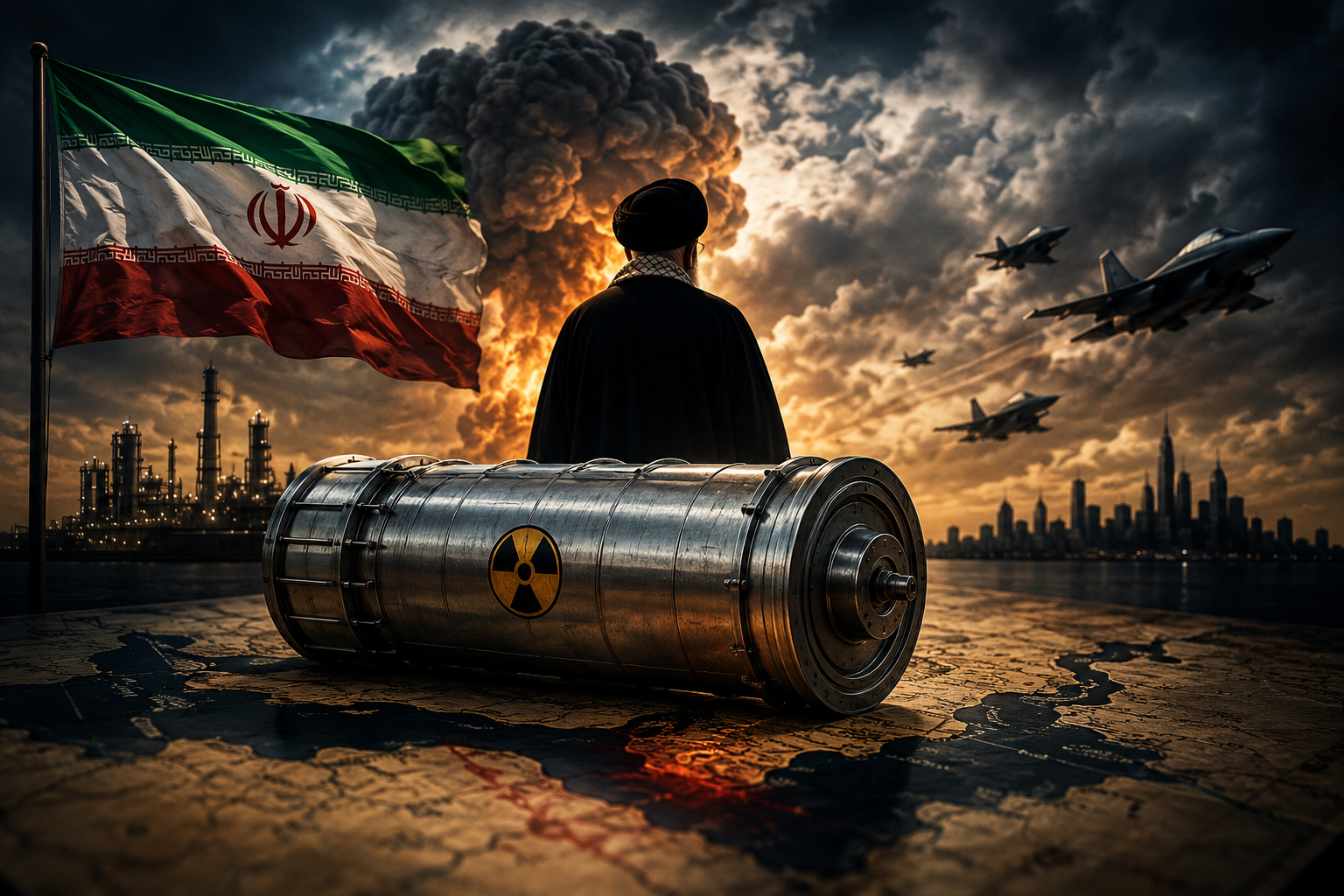
Iran’s Uranium Ultimatum Could Push The World Toward Its Most Dangerous Nuclear Standoff In Years
Iran’s refusal to move its enriched uranium abroad may have just turned a fragile negotiation into a high-risk geopolitical confrontation with military, economic, and nuclear consequences.
Iran has reportedly made its position clear: its stockpile of enriched uranium is not leaving the country. That single decision could become the defining obstacle in the already fragile negotiations surrounding Tehran’s nuclear programme and wider regional tensions. The problem is not just the uranium itself. The deeper fear is what that uranium represents — leverage, deterrence, sovereignty, and the possibility that the world may be drifting back toward a crisis nobody fully controls anymore.
The timing matters. Markets have already reacted nervously, oil prices have moved higher, and diplomatic language is becoming sharper. Behind closed doors, the central question is becoming brutally simple: if Iran refuses to compromise on enrichment, what exactly happens next?
The Uranium Issue Is Bigger Than Most People Realise
Enriched uranium sits at the centre of the entire nuclear dispute because it determines how quickly a country could theoretically move toward weapons capability if it chose to do so. Iran insists its programme is civilian and peaceful. Western powers and Israel remain deeply suspicious because Iran has enriched uranium to levels far beyond what is normally required for civilian nuclear energy.
The specific concern is Iran’s stockpile of uranium enriched to around 60% purity. That is below weapons-grade level, but significantly above the thresholds usually associated with civilian power generation. Analysts have repeatedly warned that the closer enrichment gets to weapons-grade, the shorter the potential “breakout time” becomes if a political decision were ever taken to build a bomb.
That is why the United States and Israel reportedly want the enriched stockpile removed from Iranian territory entirely. From their perspective, uranium inside Iran means future leverage remains intact. Tehran appears to see the exact same fact from the opposite direction: if the uranium leaves, Iran loses one of its strongest strategic bargaining chips.
Why Tehran May Believe It Cannot Back Down
Inside Iran, uranium enrichment has evolved beyond a technical nuclear issue. It has become tied to national pride, sovereignty, deterrence, and resistance to foreign pressure. Iranian officials increasingly frame enrichment as a “red line” and a national achievement rather than a negotiable concession.
There also appears to be a deeper strategic calculation driving Tehran’s refusal. Iranian leaders may believe that surrendering enriched uranium after military threats or economic pressure would signal weakness domestically and internationally. After years of sanctions, sabotage operations, covert attacks, and open military threats, parts of the Iranian establishment seem convinced that giving up enrichment capability would leave the country vulnerable to future coercion.
That creates an extremely dangerous negotiating environment because both sides increasingly see compromise not as diplomacy, but as strategic defeat.
The more public the red lines become, the harder they become to reverse.
The Military Risk Could Rise Fast
If negotiations collapse completely, the next phase could become significantly more dangerous. Israeli officials have long argued that Iran must never be allowed to approach nuclear weapons capability. US officials under Donald Trump have also repeatedly signalled that military options remain available if diplomacy fails.
That does not automatically mean war is imminent. But the risk of escalation increases sharply when diplomacy stalls and nuclear timelines continue moving forward. The danger is not only a deliberate military strike. Miscalculation itself becomes a threat.
One of the biggest fears among analysts is that both sides may believe pressure favours them. Iran may believe time strengthens its leverage and resilience. The United States and Israel may believe increasing military and economic pressure could eventually force Tehran into concessions. History shows that this kind of standoff can become unstable very quickly when both camps think they can outlast the other.
The Strait of Hormuz also hangs over everything. Any wider conflict involving Iran risks threatening one of the world’s most critical oil shipping routes. Even the perception of instability there can push energy markets higher.
The Economic Shockwaves Could Spread Far Beyond The Middle East
The market reaction already hints at what investors fear most: a prolonged regional confrontation that disrupts energy flows and destabilises global trade. Oil prices reportedly jumped after the latest uranium comments, while broader markets weakened amid renewed uncertainty.
If tensions escalated into military confrontation, the consequences could move far beyond the Middle East itself. Higher oil prices would likely feed inflation pressures globally. Shipping insurance costs could surge. Energy-importing economies in Europe and Asia would face renewed strain. Central banks already navigating fragile economic conditions could suddenly face another geopolitical shock at the worst possible time.
This is partly why the uranium dispute matters so much more than a normal diplomatic disagreement. It sits at the intersection of nuclear risk, military escalation, global energy security, and great-power credibility.
A breakdown here would not stay contained.
The Most Likely Next Step May Be A Fragile Compromise
Despite the aggressive rhetoric, there are still signs both sides may want to avoid outright collapse. Some proposals reportedly involve diluting uranium under international supervision rather than physically removing it from Iran. Other discussions have reportedly centred around temporary enrichment freezes or long-term restrictions rather than total surrender.
That matters because full maximalist demands on either side may simply be politically impossible to implement. Iran appears unwilling to abandon enrichment entirely. The United States and Israel appear unwilling to accept unrestricted enrichment capability. The negotiation space therefore becomes narrower, more technical, and more fragile.
The danger is that diplomacy may now be operating inside shrinking political timelines. Every public ultimatum reduces flexibility. Every military warning raises expectations. Every uranium announcement increases mistrust.
And once nuclear diplomacy becomes tied to national pride, backing down becomes far harder than escalating.
The Real Fear Is What Happens If Nobody Blinks
The deeper concern beneath this entire confrontation is that the system may be drifting toward permanent instability rather than resolution. Iran does not appear willing to fully surrender enrichment capability. Its opponents do not appear willing to fully tolerate it.
That leaves the world trapped in a dangerous middle zone: not peace, not open war, but a permanent high-pressure confrontation with periodic crises, military threats, sanctions, cyber operations, proxy conflict, and nuclear anxiety.
Iran’s uranium warning matters because it signals that Tehran may now be prioritising strategic endurance over diplomatic flexibility. If that calculation hardens in Washington and Jerusalem too, the result could become one of the most volatile geopolitical standoffs of the decade.
The frightening part is not that the situation exploded overnight.
It is that both sides may now believe they can survive the escalation better than the other.
