Trump Reveals How Close The US Came To Launching A Major Attack On Iran
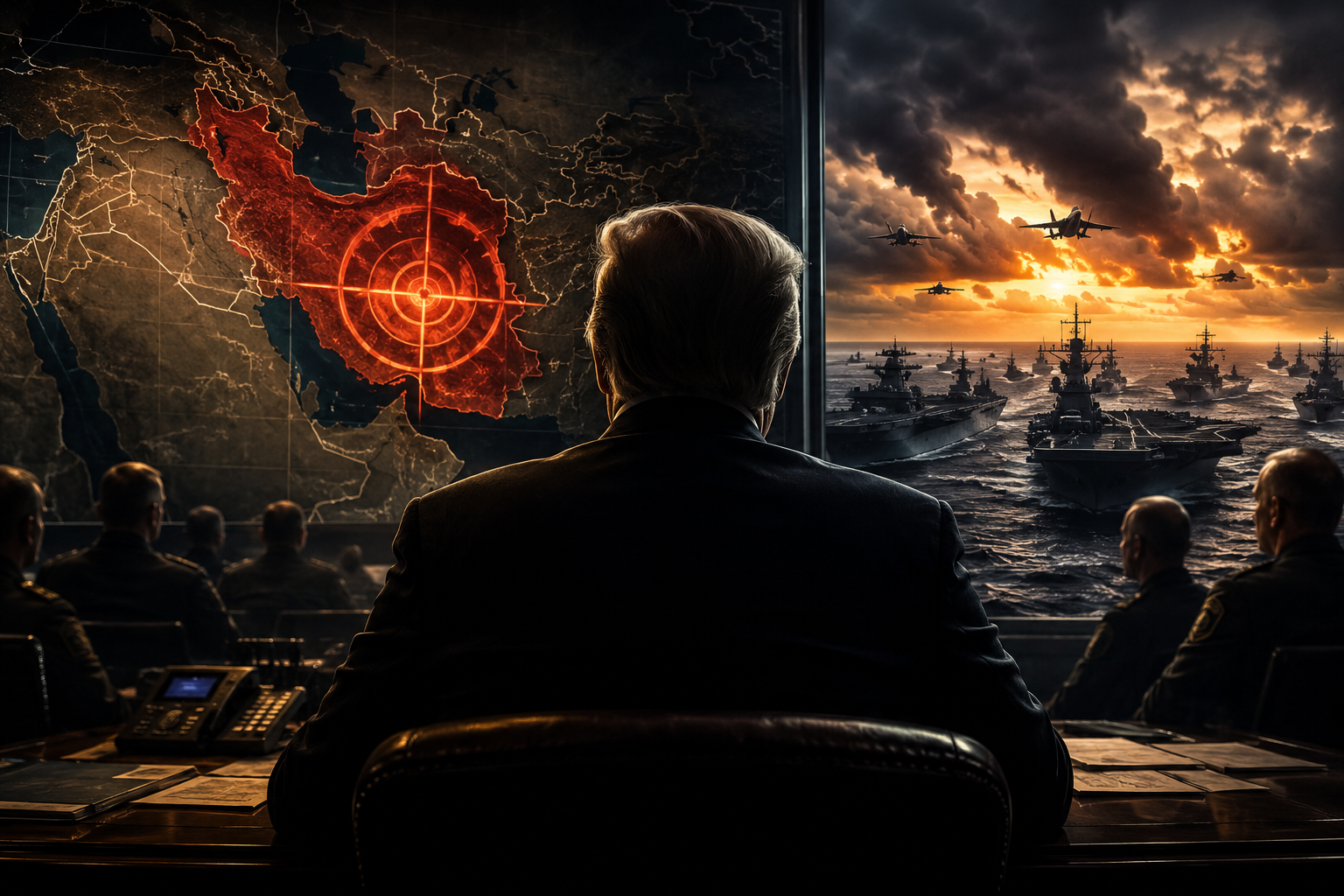
Trump Says America Was “One Hour Away” From A Massive Iran Strike Before Pulling Back
The US president says military action against Iran came frighteningly close before diplomacy abruptly reopened the door to a pause.
Trump’s Timeline Suddenly Made The Threat Feel Real
Donald Trump has revealed that the United States was allegedly just “one hour away” from launching a major military strike on Iran before the operation was paused. According to Trump, warships were “fully loaded," and preparations had reached an advanced stage before diplomatic signals changed the direction of events at the last moment.
That matters because it transforms the Iran situation from abstract geopolitical tension into something far more immediate. This was not vague rhetoric about future options. Trump’s language suggested active military readiness, operational planning, and a live countdown toward confrontation. In practical terms, that means the Middle East may have been closer to a major regional escalation than most people understood publicly.
Trump later suggested talks with Tehran had entered “final stages" while also warning that military action could still happen if negotiations fail. The contradiction is precisely what makes the situation so volatile. Markets hear optimism. Militaries use contingency planning. Iran hears both at the same time.
The Strait Of Hormuz Has Become The Real Pressure Point
Much of the current danger revolves around the Strait of Hormuz, one of the world’s most important energy chokepoints. Roughly a fifth of global oil shipments pass through the region, which means even limited disruption can ripple across fuel prices, shipping costs, and financial markets worldwide.
The US has already dramatically increased its military posture in the region throughout 2026. The military has moved multiple carrier strike groups, advanced aircraft, and expanded naval operations into position amid growing confrontation with Iran.
That military buildup changes how we think about the crisis. Once large-scale assets deploy, the distance between “pressure campaign” and “active conflict” shrinks significantly. A miscalculation, a drone strike, a shipping incident, or an escalation by proxy groups could suddenly push events past the point where diplomacy can contain them.
This is partly why Trump’s comments landed so heavily. They implied that the machinery for escalation is not theoretical anymore. It already exists in operational form.
Markets Reacted Like The Threat Was Genuine
Financial markets reacted sharply after Trump suggested a possible deal with Iran could still emerge. Oil prices fell rapidly while stock markets climbed, signaling that investors interpreted the comments as reducing the immediate probability of wider war.
That reaction reveals something important underneath the headlines. Investors are no longer treating the Iran crisis as distant background noise. They are actively pricing in the possibility of regional war affecting energy flows, shipping routes, and global inflation.
The moment oil surged above psychologically important levels earlier in the crisis, governments and businesses everywhere started paying attention. Fuel costs influence almost every part of modern economies, from transport and food prices to manufacturing and household bills.
This is why even a “paused” strike still matters enormously. The threat alone can move trillions in global assets.
America’s Diplomatic System Is Showing Signs Of Strain
Another uncomfortable detail emerging from the crisis is how increasingly centralized US foreign policy appears to have become under Trump’s second administration. Reports describe diplomats, allies, and even internal officials struggling to understand where policy is heading as major decisions move through informal channels and last-minute leadership interventions.
That unpredictability creates its own risk layer. Allies struggle to plan. Markets struggle to stabilize. Opponents struggle to interpret red lines accurately. In high-pressure military environments, ambiguity can be dangerous.
Trump’s supporters often argue that unpredictability is strategic because it keeps adversaries nervous and prevents them from gaming US responses. Critics argue it increases the odds of accidental escalation because nobody fully understands the limits anymore.
The Iran situation now sits directly inside that debate.
The Middle East May Be Entering A Different Era
The deeper story beneath this crisis is not just about one possible strike. It is about the growing normalization of permanent high-risk confrontation between the United States, Israel, and Iran.
Throughout 2026, the region has already seen naval blockades, air operations, proxy attacks, missile exchanges, and direct military escalation at levels that would once have triggered global panic.
Now the threshold appears to be shifting again. When a US president can publicly describe being “one hour away” from major military action and global markets react for a single news cycle before moving on, it suggests the world is adapting psychologically to constant brinkmanship.
That may be the most dangerous development of all.
Because history shows that long periods of tension often create a false sense of survivability right before something finally breaks.
The Real Question Is Whether This Was A Pause Or A Warning
Trump’s comments could ultimately be remembered in two entirely different ways.
If diplomacy succeeds, they may prove that extreme military pressure forced negotiations back into motion. Trump himself appears eager to present the situation that way, framing the pause as strength combined with restraint.
But if negotiations collapse later, these remarks may instead look like an early warning that the infrastructure for major conflict was already assembled and waiting.
That is why this story feels bigger than one headline or one press exchange. The world may have just witnessed a glimpse of how close modern geopolitical crises now operate to the edge before pulling back.
And next time, there may not be another pause button.
