

Israel Assassinating Iran’s Nuclear Scientists Could Change the War
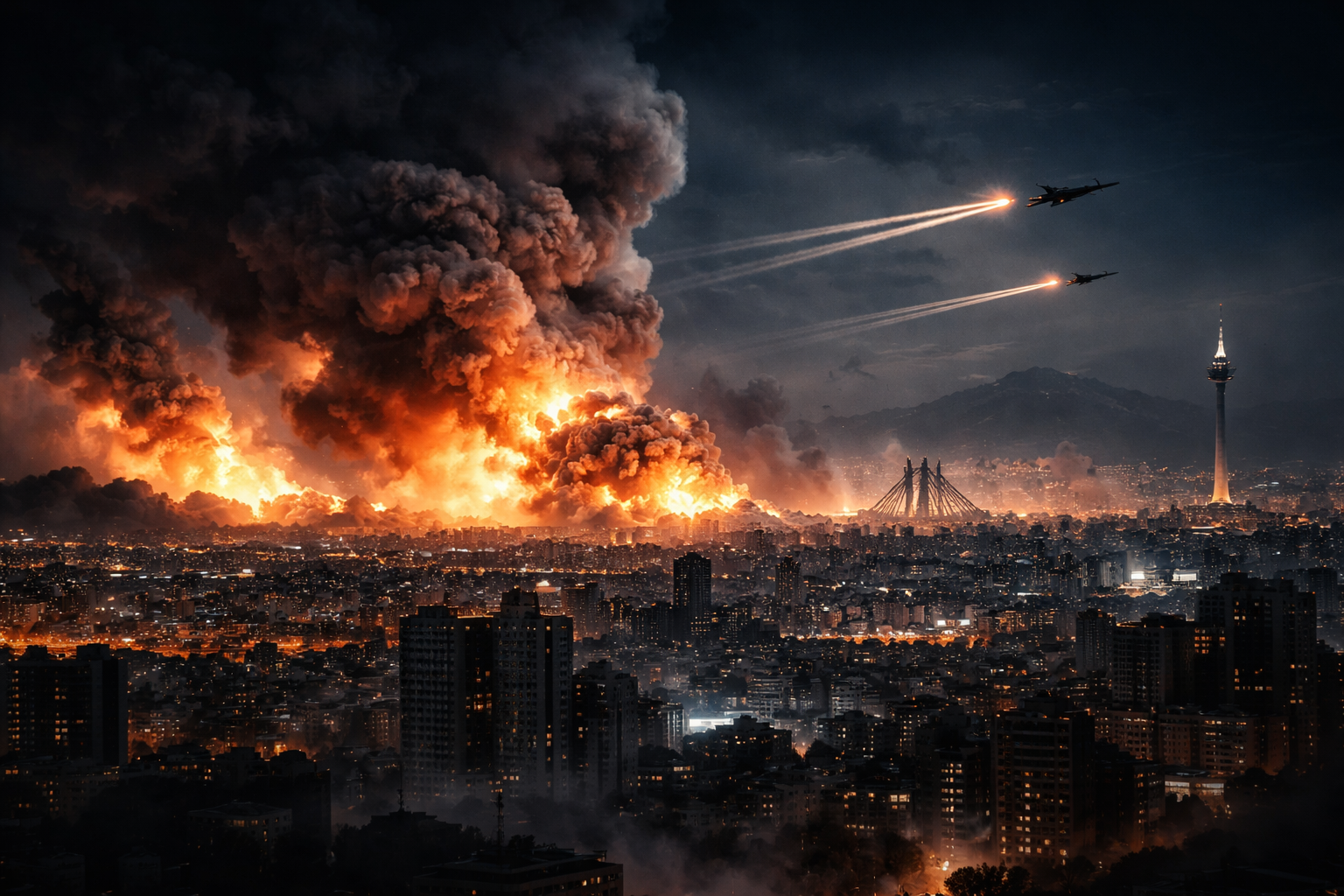
Killing the Scientists: Israel’s High-Risk Strategy Against Iran
Israel Targets Iran’s Nuclear Brainpower in Escalating Conflict
Israeli strikes have killed several Iranian nuclear scientists during the expanding war with Iran, according to statements by Israeli Prime Minister Benjamin Netanyahu and ongoing reports from the region. The attacks form part of a broader campaign targeting Iran’s nuclear program, military leadership, and strategic infrastructure as fighting enters its second week.
Israeli officials say the operations have eliminated senior figures involved in Iran’s nuclear development while damaging key facilities associated with enrichment and weapons research.
The killings represent a significant escalation. For decades Israel has attempted to slow Iran’s nuclear progress through covert assassinations and sabotage. Now those tactics are being carried out openly within a wider regional war, indicating a shift in strategy that may reflect a sense of urgency or desperation in addressing the perceived threat from Iran's nuclear ambitions.
Yet the real strategic question is not whether scientists have been killed. It is whether removing individuals can meaningfully halt a nuclear program that is already deeply institutionalized.
The story turns on whether targeted assassinations can delay Iran’s nuclear capability faster than war hardens Tehran’s determination to finish the bomb.
Key Points
Israeli strikes have killed several Iranian nuclear scientists, according to statements by Prime Minister Benjamin Netanyahu.
The killings occurred during a wider Israeli campaign targeting Iran’s nuclear facilities and military leadership.
The conflict has already triggered regional retaliation, including missile strikes and threats to shipping through the Strait of Hormuz.
Analysts warn that once the technical knowledge base is widely distributed, assassinations alone usually do not stop nuclear programs.
The widening war is already affecting oil markets, global shipping, and Middle East stability.
The strategic question now is whether these strikes weaken Iran’s nuclear capability or accelerate its push toward weaponization.
A Long War Against Iran’s Nuclear Brainpower
The killing of nuclear scientists is not a new tactic.
Since the early 2010s, a series of assassinations targeted Iranian researchers linked to uranium enrichment and weapons design. Car bombs, shootings, and covert operations eliminated several figures involved in Tehran’s nuclear program.
Israel has consistently maintained that Iran's nuclear program intends to develop weapons, a claim that Tehran vehemently refutes. The logic behind targeting scientists is simple: nuclear programs rely on a small group of highly trained specialists capable of designing advanced centrifuges, weapon triggers, and warhead integration.
Remove those specialists, and the program slows.
Earlier waves of assassinations killed multiple researchers involved in Iranian nuclear projects, including physicists and engineers working with the Atomic Energy Organization of Iran.
But those operations were covert and deniable. The current phase of the conflict is not clear.
Israel is now striking openly inside Iran while also attacking military and nuclear infrastructure.
The Current Escalation
The latest killings are part of a broader Israeli campaign aimed at weakening Iran’s nuclear and military capabilities simultaneously.
Israeli strikes have hit facilities connected to Iran’s nuclear program, including sites within military complexes long suspected of supporting weapons research.
Netanyahu has framed the campaign as a decisive effort to eliminate the threat posed by Iran’s nuclear ambitions.
At the same time, the war has expanded beyond targeted strikes.
Iran has retaliated with missile and drone attacks across the region and has threatened global shipping routes through the Strait of Hormuz, one of the world’s most important oil corridors.
The conflict has already disrupted energy markets and triggered a broader security crisis across the Middle East.
Why Scientists Are Being Targeted
Nuclear weapons programs require several critical areas of expertise:
uranium enrichment
warhead design
missile integration
weapons testing
These fields depend heavily on highly specialized scientists and engineers.
Israel’s strategy aims to eliminate the individuals who possess the deepest technical knowledge.
In theory, such an approach creates delays measured in years rather than months.
But the effectiveness of the tactic depends on how centralized the knowledge is.
If a program relies on a small group of scientists, targeted killings can slow it significantly. If the knowledge base has spread across universities, laboratories, and military institutions, replacing individuals becomes easier.
Iran’s program now spans decades of development and multiple research institutions.
Consequences for the Regional Balance
The assassinations carry both tactical and strategic consequences.
Tactically, they may disrupt ongoing research and development within Iran’s nuclear program. Individual scientists often lead specific projects such as centrifuge design or warhead physics.
Strategically, however, the effects are less predictable.
Targeted killings can strengthen political support inside Iran for accelerating the nuclear program as a deterrent.
Iranian leaders have already framed the attacks as evidence that only nuclear weapons can protect the country from external threats.
Meanwhile, the broader war is drawing in regional actors and destabilizing global energy markets.
Shipping through the Strait of Hormuz has already become a central pressure point in the conflict, raising fears of wider economic fallout, particularly as this strait is a vital route for a significant portion of the world's oil supply.
What Most Coverage Misses
Most reporting treats the killings of nuclear scientists as a technical blow to Iran’s nuclear program.
The deeper strategic impact is political.
Targeted assassinations can delay a nuclear program in its early stages. But once a country believes its survival is threatened, the incentives often shift toward accelerating nuclear weapon development rather than abandoning it.
History shows this pattern repeatedly.
Countries that face regime-threatening military pressure often double down on nuclear deterrence rather than retreat from it.
If Iran concludes that nuclear weapons are the only reliable guarantee against external attack, the current strategy could produce the opposite of its intended result.
In other words, the campaign might slow Iran’s nuclear program in the short term while making a nuclear-armed Iran more likely in the long term.
The Next Phase of the War
The conflict is now entering a dangerous phase.
Israel’s strategy appears to combine three objectives:
destroy nuclear infrastructure
kill key scientists and commanders
apply pressure on Iran’s leadership
Iran’s response will likely determine whether the war remains limited or expands further.
Three signals will reveal which path is emerging:
whether Iran accelerates uranium enrichment
whether attacks on global shipping intensify
whether regional proxy forces open new fronts
The assassination of nuclear scientists marks a dramatic moment in the conflict. But the deeper question remains unresolved.
If the war convinces Iran that only nuclear weapons guarantee survival, these strikes may ultimately reshape the strategic balance of the Middle East for decades.
