Jeff Bezos Closes In on Liverpool as £1.35bn Deal Values Reds at £4.5bn
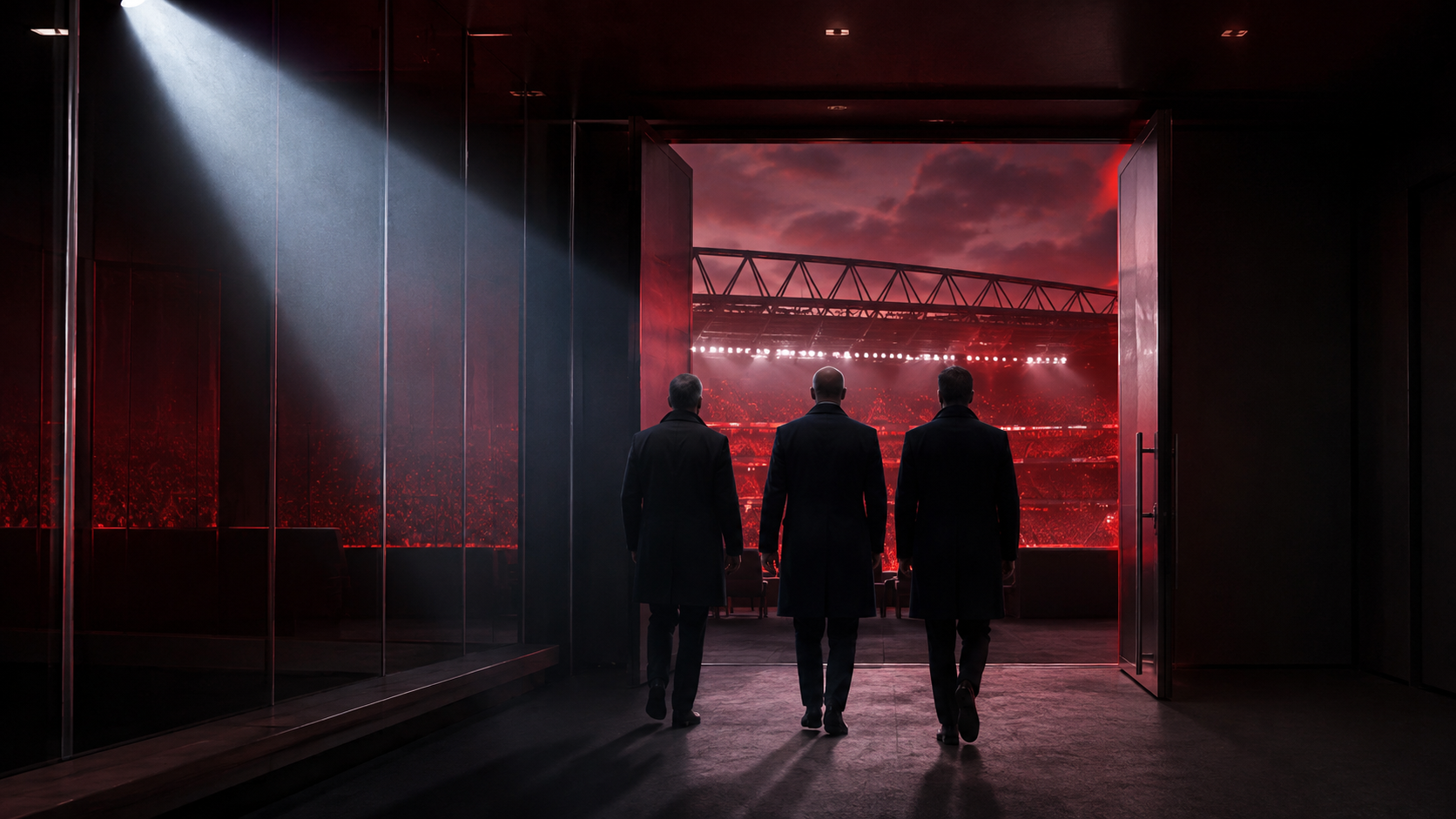
Bezos-Backed Consortium Nears Blockbuster Liverpool FC Investment
Liverpool Could Gain Three Billionaire Owners in £1.35bn Deal
A consortium containing Jeff Bezos is closing in on a deal to acquire roughly 30 per cent of Liverpool Football Club for about £1.35 billion. If completed on those terms, the transaction would value Liverpool at approximately £4.5 billion and introduce one of the world’s wealthiest men to Premier League ownership.
The investment group is led by British businessman Amit Bhatia and is also understood to include Facebook co-founder Eduardo Saverin. Fenway Sports Group would remain Liverpool’s controlling owner, making this a strategic minority investment rather than a full takeover of the club.
FSG Could Announce the Deal Within Days
FSG confirmed in July that a consortium “led, managed and represented by Amit Bhatia” had expressed an interest in making a strategic minority investment in Liverpool. The latest indications suggest negotiations have advanced significantly and that an announcement could arrive as soon as this week, although the transaction has not yet been formally completed.
The final percentage and price may still move. The stake is understood to be around one-third of the club and could exceed 30 per cent, meaning the eventual value may be slightly higher than the widely reported £1.35 billion figure.
Bhatia previously held a position at Queens Park Rangers and is the son-in-law of steel billionaire Lakshmi Mittal. Bezos and Saverin would add extraordinary financial weight, although the consortium’s internal structure, individual contributions and future voting rights have not been disclosed.
Liverpool’s Value Has Exploded Under FSG
FSG bought Liverpool for approximately £300 million in 2010, when the club was burdened by financial pressure and uncertainty. A valuation approaching £4.5 billion would make Liverpool worth about 15 times that original purchase price before accounting for subsequent investment, ownership changes and other financial factors.
That transformation has been driven by success on the pitch and sustained commercial growth. Liverpool have won two Premier League titles under FSG, including their record-equalling 20th English championship in 2025, while also lifting the Champions League, Club World Cup, FA Cup and League Cup.
Anfield has expanded to approximately 61,000 seats, the club’s training infrastructure has been rebuilt and Liverpool’s commercial reach has grown across international markets. FSG has turned a distressed asset into one of the most valuable sporting institutions in the world.
The proposed price is therefore about more than recent results. It reflects the scarcity of elite football clubs with a global following, historic stadium, established commercial machine and permanent place near the centre of the world’s most lucrative domestic league.
This Is Not a Full Liverpool Takeover
The central point for supporters is that Bezos would not be buying Liverpool outright. FSG would retain control, while the incoming consortium would hold a powerful but minority position.
That distinction matters because a 30 per cent shareholder could influence strategy without possessing the authority to dictate every major decision. The precise balance would depend on shareholder agreements, board representation, reserved voting rights and the conditions attached to the investment.
The move also fits FSG’s established approach. Dynasty Equity completed a smaller strategic investment in Liverpool in 2023, while other investors hold interests across the wider FSG organisation. Selling minority positions allows the group to unlock part of the value created under its ownership without surrendering the entire asset.
Speculation that the new consortium could eventually seek control is inevitable, particularly given its combined wealth. Nothing disclosed so far, however, establishes that a complete takeover has been agreed or that FSG is preparing to leave Liverpool.
Why Bezos Wants a Piece of Liverpool
For Bezos, Liverpool would offer access to something that money alone cannot quickly build: more than a century of history, a vast international audience and an emotional connection stretching across generations.
Elite sports franchises have become increasingly attractive to billionaires and institutional investors because supply is severely restricted. There are only a handful of football clubs capable of commanding Liverpool’s combination of global recognition, recurring broadcast income, sponsorship potential and cultural influence.
The deal would also mark a significant step into sports ownership for Bezos. He has previously been linked with major American franchises, but Liverpool would place him inside the Premier League and at the heart of the world’s most internationally followed club competition.
That does not mean Amazon is purchasing a stake or that Liverpool’s media rights are about to move towards the company. Bezos would be participating as an investor within the Bhatia-led consortium, and any wider commercial relationship would require separate agreements and scrutiny.
Will Liverpool Receive a Transfer Windfall?
The reported £1.35 billion price should not automatically be interpreted as money available for new players. The financial effect depends on whether the transaction involves investors buying existing shares, injecting new capital into the club or combining both structures.
If the money primarily goes to existing shareholders, Liverpool may receive little direct cash from the sale itself. New owners could still support future investment, commercial expansion or infrastructure, but spending would remain constrained by Premier League and UEFA financial rules.
The consortium’s greatest initial impact may therefore occur away from the transfer market. Its members bring extensive experience in technology, finance, international investment and consumer businesses that could strengthen Liverpool’s commercial reach and long-term valuation.
Supporters should be cautious about treating billionaire wealth as an unlimited sporting budget. The decisive questions are how much fresh capital enters the club, what influence the new investors receive and whether the agreement changes FSG’s existing operating model.
What Happens Next
Liverpool and FSG must first complete the transaction and disclose its final structure. A stake of this size would also bring regulatory scrutiny, including the checks required before new significant owners can formally enter the Premier League.
The announcement should reveal whether the investment is entirely a sale of existing equity, whether new money is entering Liverpool and how the consortium will participate in the club’s governance. Those details will determine whether this is primarily an enormous financial return for FSG or the beginning of a more fundamental shift at Anfield.
For now, the most consequential fact is not simply that Jeff Bezos may soon own part of Liverpool. It is that FSG appears able to sell roughly 30 per cent of a club it bought for £300 million for more than four times its original purchase price—while retaining control of one of football’s most valuable assets.
