Kanye West Apology Explained: Why This Moment Could Reshape His Career
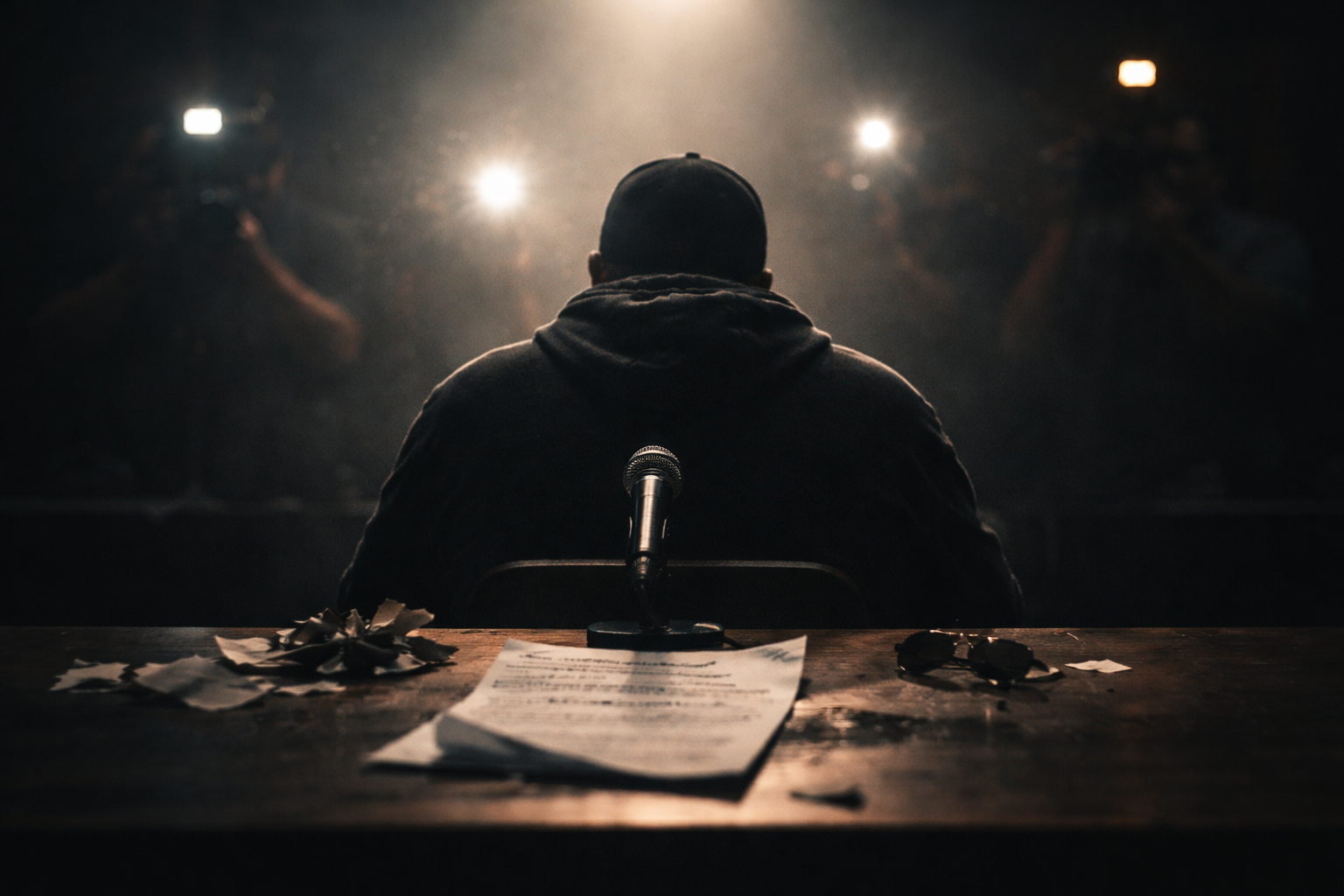
Kanye West Apology Explained: What Changed and What’s Next
Kanye West’s Apology, Explained: What Changed, What Didn’t, and What Comes Next
The latest confirmed update in the Kanye West (Ye) apology story is a public, full-page apology published in The Wall Street Journal on January 26, 2026, followed by a more detailed on-the-record explanation in subsequent media coverage.
The apology matters because it attempts something rare in modern celebrity fallout: a direct, formal reset after years of escalating reputational damage—particularly tied to antisemitic statements and provocative Nazi-associated language and imagery. But an apology is not the same thing as a restoration. The market for forgiveness has rules, and they’re usually enforced by institutions, not audiences.
One overlooked hinge is that the issue is not primarily a moral drama. It’s a risk-management drama: who is willing to take reputational and commercial exposure by being the first to treat Ye as “safe” again?
The story turns on whether the apology is treated as a genuine accountability step—or as a tactical bridge back to mainstream access.
Key Points
Ye issued a public apology in a full-page Wall Street Journal ad on January 26, 2026, addressing harm caused by past antisemitic behavior and other statements.
He connected his behavior to mental health claims, including bipolar disorder and references to a past brain injury, framing the period as one of impaired judgment.
The apology explicitly tries to separate identity from actions—denying alignment with Nazi ideology while stating remorse and expressing care for Jewish people.
The immediate question isn’t whether some fans accept it; it’s whether gatekeepers (brands, venues, distributors, collaborators) change their behavior.
Credibility will be judged by follow-through: treatment adherence, consistency over time, concrete reparative actions, and restraint during inevitable future flashpoints.
The biggest near-term impact is on commercial re-entry: partnerships, bookings, distribution channels, and the willingness of prominent figures to work with him again.
Background
Kanye West’s public standing has been battered for years by a rolling cycle of controversy: inflammatory political moments, social-media escalations, and comments widely condemned as racist and antisemitic. The reputational collapse wasn’t one single incident—it was an accumulation. Each new flare-up raised the perceived probability of another one.
That matters because large institutions don’t evaluate a celebrity like a person in a living room argument. They evaluate like insurers. The question is, what is the likelihood of repeat harm, and how costly would it be to be associated with it?
The January 26 apology stands out because of its format and intent. A full-page newspaper apology is old-school, formal, and meant to be legible to corporate America: lawyers, boards, advertisers, and risk teams. It reads like an attempt to reopen doors that have been shut—not just to win a debate online.
Mental health is central to the framing. Over the years, Ye has frequently mentioned bipolar disorder, and this apology once again incorporates health explanations into the story of how things went awry. That framing is emotionally powerful, but it also triggers skepticism—because mental health can explain volatility without automatically rebuilding trust.
Analysis
Why the Apology Looks “Corporate” on Purpose
A full-page newspaper apology is not optimized for social virality. It’s optimized for legitimacy. It’s a signal aimed at the people who control access: executives, promoters, platforms, financiers, and collaborators who have to justify decisions in writing.
If Ye’s goal were only public sentiment, a social post would be easier, faster, and louder. A paid print ad suggests a different target: the systems that decide whether a person is “bookable,” “brand-safe,” or “too costly to touch.”
The Mental Health Frame: Explanation vs. Excuse
The apology’s core tension sits here: mental health can be true and still not be enough.
An explanation addresses why something may have happened. Accountability addresses what changes now so it doesn’t happen again. Gatekeepers will separate those questions because they must.
If the public reads the apology emotionally, institutions read it operationally:
Is there evidence of sustained treatment?
Is there a stable support structure?
Has the pattern of impulsive escalation stopped?
Is there a credible plan for relapse prevention?
While the apology can create an opportunity, maintaining consistency is crucial.
Who Benefits If the Apology “Works”
Several groups gain if the apology is accepted:
Ye regains professional oxygen: distribution, partnerships, and less resistance around releases and bookings.
Collaborators get access to talent and attention, but they also take reputational heat. That’s why early adopters matter.
Platforms and promoters benefit commercially if demand returns, but they carry the blowback if controversy reignites.
This is why “forgiveness” is less about online debate than about who moves first in the real economy.
Public Sentiment Is Not the Same as Reinstatement
It’s possible for an apology to improve sentiment while leaving institutional barriers in place. People can listen privately; brands can still refuse publicly. That split is common now.
Reinstatement requires not just reduced anger but reduced uncertainty. The problem Ye has battled isn’t simply that people disapproved. It’s that they believed the next escalation was predictable.
What Most Coverage Misses
The hinge is simple: the apology is a bid to reduce repeat risk, not to win back universal affection.
The mechanism is that reputational recovery in 2026 runs through risk committees—formal or informal—inside companies and organizations that decide whether association is worth the downside. Those groups respond to patterns, not statements. An apology is a data point; a stable year is a trend.
Two signposts will confirm whether this bid is working in the next weeks:
Institutional re-engagement: credible partners returning in visible ways (bookings, collaborations, distribution expansions) without immediate backtracking.
Behavioral consistency under pressure: a sustained period without new incendiary rhetoric, especially when provoked by criticism or during high-attention moments like releases.
What Changes Now
In the short term (the next 24–72 hours and coming weeks), the apology changes the conversation from “Will he ever acknowledge harm?” to “Is this the start of a stable new phase?” That is a meaningful shift because it gives institutions rhetorical cover to reconsider—if they want to.
But the longer-term picture (months and years) depends on whether Ye can demonstrate reliability. The primary impact doesn't stem from emotions, but rather from ensuring predictability. Companies make decisions based on expected future costs, because a new controversy doesn’t just create headlines—it creates internal disruption, sponsor withdrawals, staff backlash, and contractual risk.
The key events to watch are not only statements. Their decisions:
Who works with him publicly.
Which venues or festivals take the risk?
The resumption of any major partnerships and their longevity are also important considerations.
Real-World Impact
A festival booker reads the apology and thinks about insurance clauses, sponsor sensitivity, and whether a last-minute cancellation would blow a hole in the lineup.
A brand marketing lead thinks about internal staff reaction, retailer relationships, and the cost of crisis comms if a new controversy erupts two weeks into a campaign.
A streaming or distribution executive thinks about advertiser comfort, playlist politics, and whether association triggers reputational harm that outweighs engagement.
A parent consumer who grew up on Ye’s catalog thinks about whether playing the music around kids feels different now—and whether “separating art from artist” still holds when the controversy was explicitly political and hateful.
The Reputation Reset Test
If you want to understand what happens next, ignore the loudest takes and focus on the quiet signals: contracts, bookings, collaborations, and who decides to stand next to Ye when there’s no requirement to.
The apology is a line in the sand. It says, "This is the narrative I’m offering, and this is the version of myself I want institutions to deal with.” But it’s only the beginning of the test, not the end of the story.
The fork in the road is clear: either this becomes the first chapter of sustained stability and reparative actions, or it becomes another entry in the cycle—apology, brief calm, and then a fresh ignition. The signposts are concrete: durable partnerships, consistent restraint, and a long stretch where the headlines are about work rather than fallout.
If this moment holds, it won’t just be a celebrity turnaround—it will be a case study in how public power survives the internet age and what it costs to earn a second chance.
