

Routine Flight Ends In Tragedy As Indian Air Force AN-32 Crashes During Landing
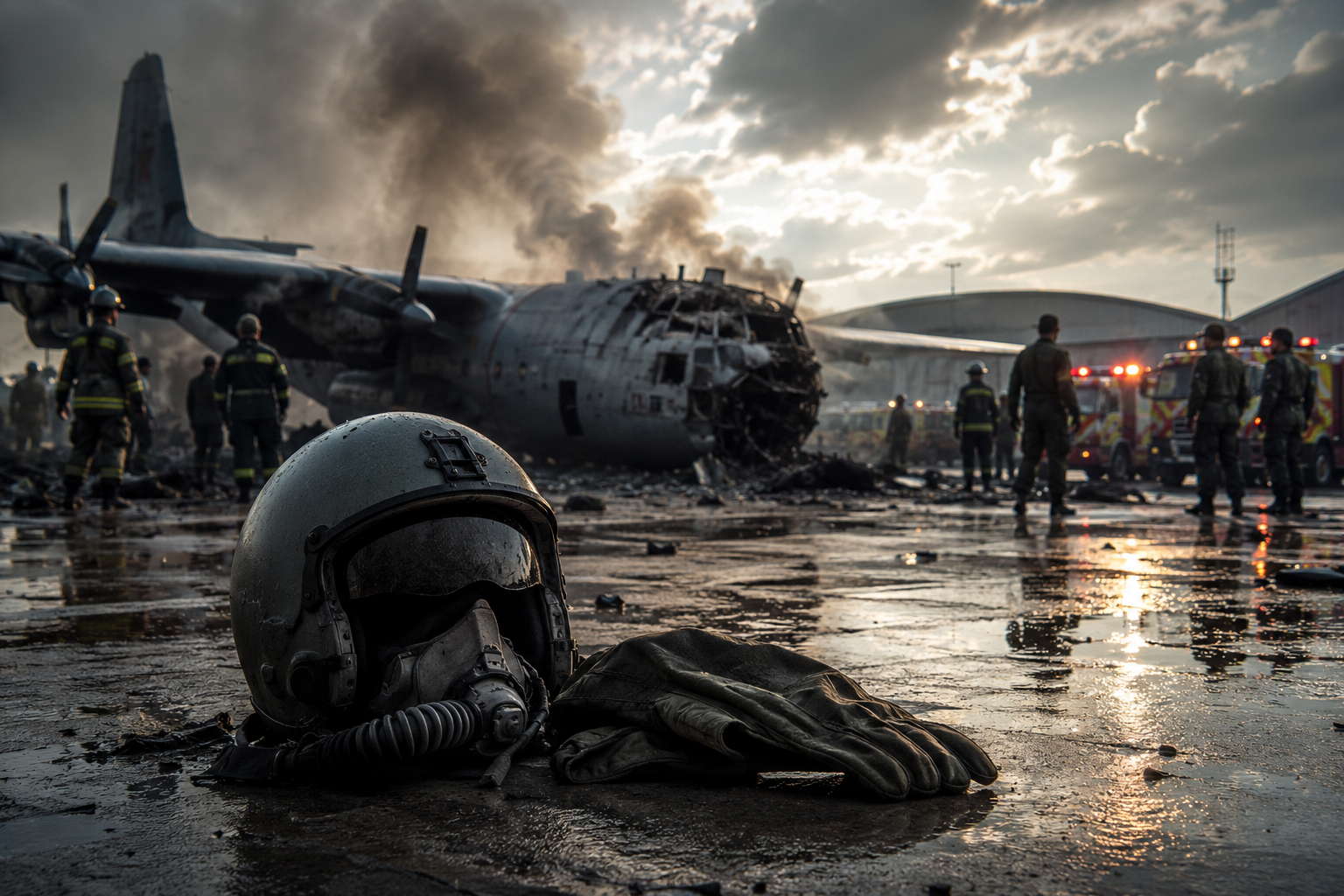
Five Air Force Personnel Dead After Military Aircraft Crash Raises Fresh Questions Over Aging Fleet
What Has Been Confirmed So Far
Five Indian Air Force personnel were killed when an AN-32 transport aircraft crashed while attempting to land at Jorhat Air Force Station in Assam on 13 June 2026. Official statements confirm the aircraft was conducting a routine sortie when the accident occurred. A co-pilot survived and is receiving medical treatment.
The personnel who lost their lives have been identified as Squadron Leader Prashant Singh, Flight Lieutenant Shubham Kumar, Sergeant Jitendra Sharma, Agniveervayu Khemaram Kumawat and Agniveervayu Danish Alam. Their deaths have sent shockwaves through military communities and among families connected to the Air Force.
The Moment Everything Changed
Initial reports indicate the aircraft crashed during the landing phase at the Rowriah airbase area of Jorhat. Images from the scene showed severe damage to the aircraft, with emergency crews responding rapidly after the impact. Officials have not yet released a definitive explanation for what caused the accident.
That uncertainty matters. Landing is one of the most critical phases of any flight. Even highly experienced crews can face a combination of mechanical issues, environmental conditions, timing pressures, or technical failures that leave almost no margin for recovery.
Why The AN-32 Draws Attention
The AN-32 is not an obscure aircraft. For decades it has served as one of the Indian Air Force's logistical workhorses, transporting personnel, equipment and supplies into some of the most demanding operating environments in the country.
Its ability to operate in remote and high-altitude regions made it indispensable. Yet the aircraft's long service history also means every accident attracts scrutiny. Questions inevitably emerge about maintenance, modernization, fleet replacement programs and the challenge of keeping aging military platforms operational while maintaining readiness.
The Shadow Of Previous Crashes
This tragedy does not exist in isolation. The AN-32 fleet has experienced previous high-profile accidents over the years, including fatal incidents that remain deeply remembered within military aviation circles.
That history does not automatically explain what happened in Jorhat. Investigators will be careful to avoid assumptions. However, repeated incidents naturally increase pressure on decision-makers to demonstrate that lessons are being learned, risks are being managed and future crews are being protected wherever possible.
The challenge is that military aviation operates in conditions far removed from ordinary commercial flying. Aircraft often fly into difficult terrain, support operational missions and perform tasks where flexibility matters more than comfort.
The Investigation Now Becomes The Story
The Indian Air Force has already ordered a court of inquiry into the crash. Investigators will examine maintenance records, aircraft systems, crew actions, environmental conditions and any available flight data.
These investigations are rarely quick. Every piece of evidence matters because military organisations are not simply looking to identify a cause. They are trying to understand whether the accident resulted from a unique event, a technical issue, a procedural weakness, or a wider operational challenge.
The answers could influence future training, maintenance schedules and even procurement decisions. That is why accidents like this often have consequences far beyond the immediate tragedy.
The Human Cost Behind The Headlines
Statistics can make aviation accidents feel distant. Names change that.
Behind every military fatality is a family receiving devastating news. There are parents, spouses, siblings, friends and colleagues whose lives are permanently altered in a single day. Military service always carries risk, but that reality becomes painfully real when routine operations suddenly turn fatal.
The five personnel who died were not participating in a major combat mission. They were carrying out a normal military task. That fact makes the tragedy feel even more unsettling because it highlights how quickly ordinary operations can become extraordinary disasters.
The Bigger Question Now Facing Decision Makers
The immediate focus will rightly remain on the victims, the survivor receiving treatment and the investigation itself. Yet another question sits quietly beneath the surface.
How long can legacy aircraft fleets continue operating safely while armed forces around the world face growing pressure to modernise?
Military organisations constantly balance budgets, operational requirements, logistics and readiness. Replacing aircraft fleets is expensive and complicated. Keeping older aircraft flying is often necessary. The challenge is determining where that balance should sit.
The Jorhat crash is therefore not only a story about one aircraft or one day. It is a reminder of the hidden risks carried by the people responsible for maintaining national readiness. Five lives were lost during what began as a routine sortie. The investigation will determine how it happened. The broader debate is whether tragedies like this are becoming harder to ignore.
