Russia Expands Energy Strikes Into Western Ukraine as Blackouts Spread Before Winter
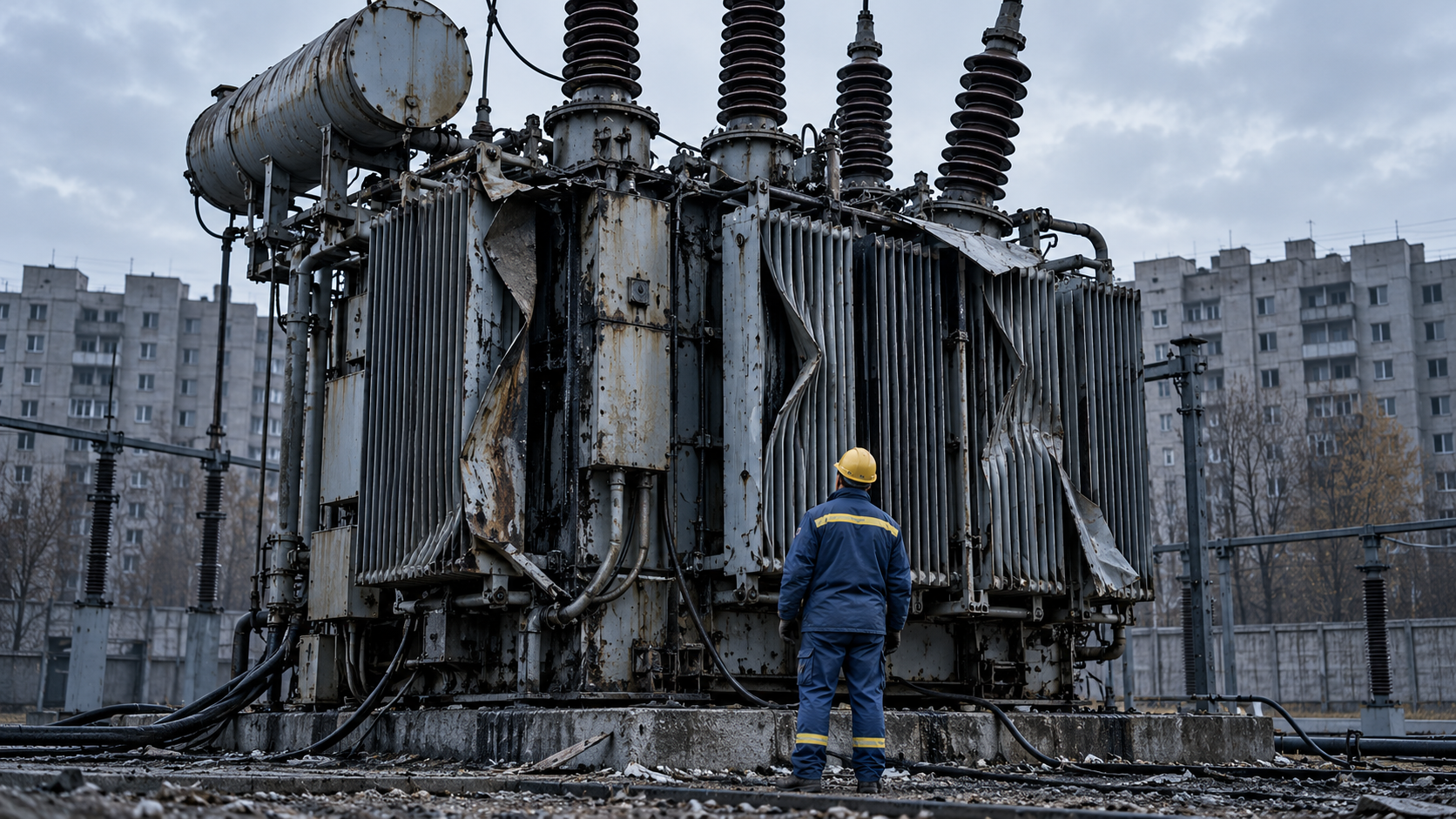
Russia Targets Western Ukraine’s Energy Facilities as Winter Approaches
The Fight to Keep Ukraine Powered
Energy facilities across seven regions came under attack, while Ukraine’s grid operator reported fresh outages in 12 regions and nationwide power restrictions.
Russia has widened its attacks on Ukraine’s energy infrastructure, striking facilities in western regions as fresh blackouts disrupted electricity supplies across the country on Tuesday, 20 October.
Ukraine’s energy ministry identified attacks across seven regions overnight and into the morning. The national grid operator, Ukrenergo, separately reported new attack-related outages in 12 regions. The damage adds to the pressure on engineers trying to restore supplies before colder weather increases the consequences of each interruption.
The geographical spread matters. Strikes on facilities far from the eastern battlefields can disrupt civilian life and place further strain on a national network already damaged by repeated attacks.
However, western Ukraine has suffered earlier energy strikes. The latest development is a widening of the current assault, rather than the first time the west has faced attacks or blackouts.
Where the Latest Attacks Hit
Deputy Energy Minister Artem Nekrasov said energy facilities had come under attack in Kirovohrad, Zhytomyr, Lviv, Odesa, Rivne, Ternopil and Khmelnytskyi regions.
Local authorities supplied more detail about the damage.
In Ternopil region, military administration head Taras Pastukh said Russian drones damaged three energy facilities in the Kremenets district. Houses were also damaged in the Chortkiv district. No casualties had been reported as of 8am, he said.
Odesa regional head Oleh Kiper said overnight attacks damaged energy infrastructure and interrupted electricity supplies in some areas. He reported no casualties in that attack. Essential infrastructure was operating on backup power while engineers worked to restore connections.
These accounts describe individual incidents within a wider assault. They do not establish that every facility suffered the same level of damage or that every affected household faced the same restoration time.
A damaged site may require extensive repairs. Elsewhere, engineers may be able to restore electricity through switching or work on local connections. Initial announcements rarely provide enough information to distinguish every case.
Why Outages Extend Beyond the Sites Hit
Ukrenergo’s Tuesday morning update listed fresh attack-related outages in 12 regions, stretching from Lviv in the west to Donetsk and Kharkiv in the east.
The operator said emergency restoration work had begun wherever security conditions allowed. It also announced electricity restrictions across all regions for the remainder of the day to avoid overloading equipment damaged in previous attacks.
That distinction helps explain the scale of the disruption.
Some consumers lose power because an attack damages the equipment supplying them. Others face controlled interruptions intended to keep the remaining network operating within safe limits. Both leave homes without electricity, but they require different responses.
The number of regions experiencing outages is therefore a measure of geographical reach. It is not a count of destroyed power stations, and it does not mean every resident in those regions has lost supply.
Weather was also affecting the network. Ukrenergo separately identified nine settlements in Odesa and Dnipropetrovsk regions that were fully or partly without power because of heavy rain and wind. Those interruptions should be distinguished from damage caused by Russian attacks.
Western Regions Were Already Under Pressure
The latest attacks follow another difficult day for Ukraine’s electricity network.
On Monday, 19 October, Ukrenergo reported fresh attack-related blackouts in ten regions. These included Volyn, Rivne, Ternopil and Khmelnytskyi, underlining that western areas were already experiencing disruption before Tuesday’s announcement.
Monday’s update also showed how weather can alter the balance between supply and demand. Cloud and rain reduced the output of household solar installations, increasing the amount of electricity consumers needed from the grid.
On Tuesday morning, sunnier conditions helped reduce demand on the network compared with the previous morning. Yet restrictions remained necessary because damaged equipment still constrained the system.
This is why a temporary improvement in electricity consumption does not mean the underlying problem has been repaired. Operators must manage the condition of the network as well as the amount of power people use.
What the Damage Means Before Winter
Electricity interruptions affect more than lighting.
Homes and businesses rely on power for communications, refrigeration and equipment. Water pumping and many heating systems also depend on electricity. Backup supplies can keep essential services operating, as authorities described in Odesa, but they do not repair the damaged network.
The timing makes restoration more urgent. As temperatures fall, interruptions can become harder for households to manage, particularly where heating depends on electrical controls or pumps.
Repeated attacks also complicate repair work. Engineers need safe access before they can inspect damage, reconnect equipment or begin more extensive reconstruction. Ukrenergo’s qualification that work proceeds where security permits reflects that practical constraint.
The available updates do not establish how long every outage will last. Nor do they provide a complete assessment of the generating capacity or transmission equipment lost in the latest strikes.
Those gaps matter. A regional outage announcement alone cannot support a precise forecast of nationwide winter electricity shortages.
An Energy Truce Needs Results on the Grid
The attacks also put renewed pressure on efforts to secure a halt to strikes on energy infrastructure.
President Volodymyr Zelensky said on Sunday that Russia had attacked Ukraine’s energy, oil and gas sectors dozens of times during the week following Donald Trump’s announcement of a halt to energy attacks.
Ukraine has said it is ready for an energy ceasefire while seeking additional missiles to intercept Russian ballistic weapons.
The distinction between a temporary ceasefire and a wider peace settlement remains central. A limited agreement could protect particular infrastructure without resolving the territorial and security disputes driving the war.
Its value would depend on implementation: clear commitments, instructions reaching the forces carrying out attacks and a credible way to assess violations.
The immediate measure of progress is practical. Engineers need enough safe time to restore damaged equipment, and households need electricity that remains connected after repairs are complete.
Sources
Reuters — Russia Expands Attacks on Energy Facilities to Western Ukraine — 20 October 2026; the widening campaign, the energy ministry’s account and the proposed halt to energy strikes. Reuters
Interfax-Ukraine — Russian Attacks Cause New Power Outages in 12 Regions: Ukrenergo — 20 October 2026; affected regions, restoration work, nationwide restrictions and separate weather damage. Its 19 October update establishes the preceding outages and weather-related changes in grid demand. Ukrenergo
Ukrainska Pravda — Russian Attacks Damage Energy Infrastructure in Ternopil and Odesa Oblasts, Causing Power Cuts — 20 October 2026; regional officials’ accounts of damaged facilities, casualties and backup power. Ukrainska Pravda
Next Reads
Putin Rejects 60-Day Ukraine Ceasefire As Fears Grow Of Major Russian Offensive And Trump Faces Crucial Decision — The dispute over a pause in fighting and the conditions for a broader settlement.
Kremlin Raises Trump–Putin–Xi Summit as Ukraine Warns Against Talks Without Kyiv — Why Ukraine’s participation matters in proposed negotiations.
Trump Signs Russia Sanctions Into Law, Then Puts Key Measures on Hold — The argument over economic pressure on Moscow.
