Russian Serviceman Killed as Crimea Bombing Sparks Assassination Investigation
Russian Naval Officer Reportedly Killed in Suspected Crimea Assassination
Bomb Hidden in Public Square Kills Russian Serviceman in Sevastopol
A Russian serviceman has been killed by an explosive device in Sevastopol, turning an ordinary public space in occupied Crimea into the scene of a suspected targeted assassination. Russia’s Federal Security Service says it has detained a woman and alleges that she acted under instructions from Ukrainian intelligence.
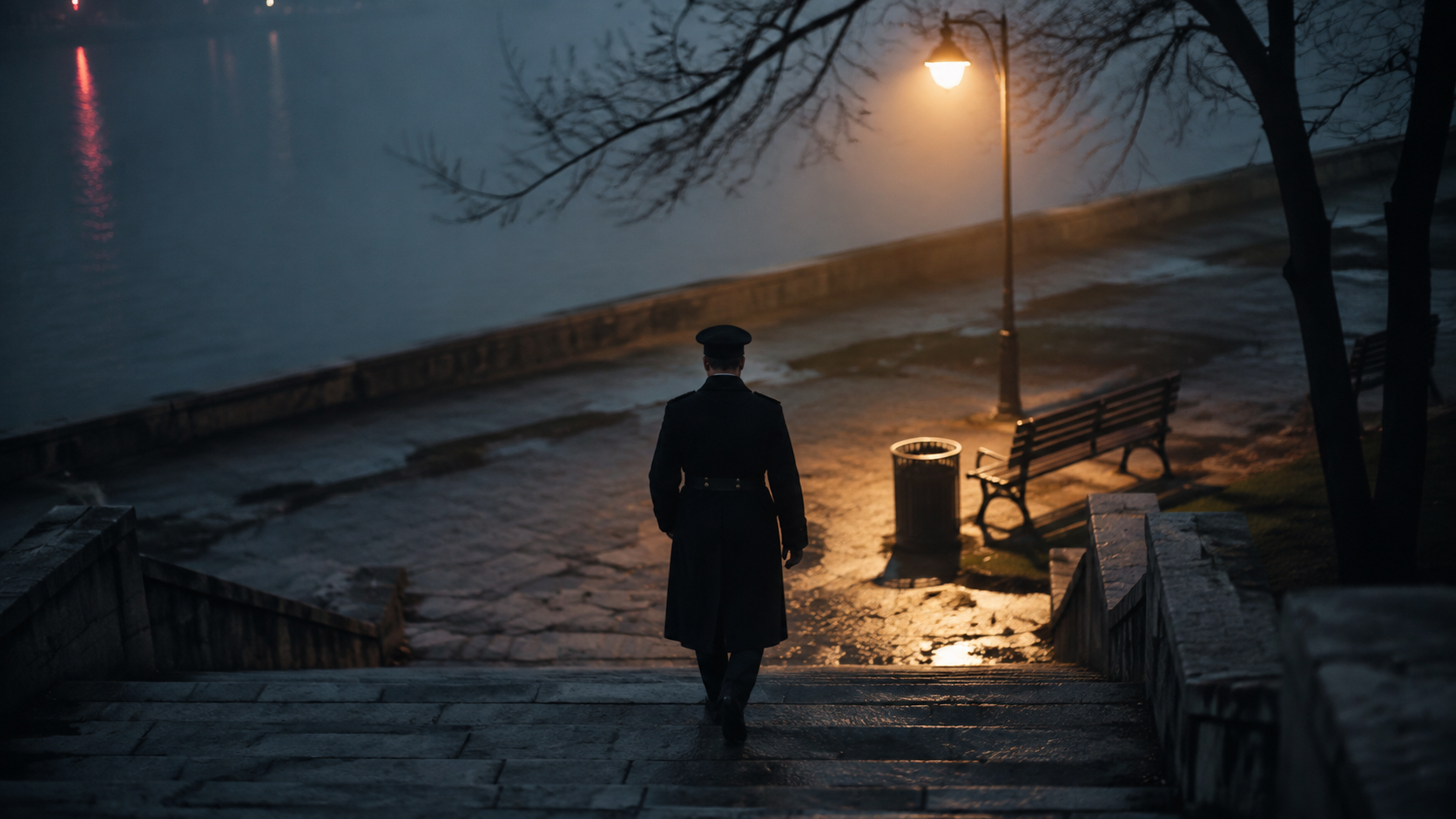
The blast reportedly struck on the morning of Thursday, 13 August, close to a bench in a square behind a residential area on Stoletovsky Prospekt. Early accounts suggested that the device had been concealed in or near a rubbish bin and detonated as the serviceman passed.
Russia Says a Suspect Has Been Detained
The FSB confirmed that the person killed was a Russian Defence Ministry serviceman but did not publicly identify him. It said a Russian citizen born in 1994 had been detained on suspicion of carrying out the attack.
Russian authorities claim the woman was acting on instructions from Ukrainian intelligence services. No supporting evidence for that allegation has yet been released publicly, and Ukraine has not claimed responsibility for the explosion.
That distinction matters. The serviceman’s death and the detention have been officially acknowledged by Russia, but the alleged chain of command behind the bombing remains a Russian security-service claim rather than an independently established fact.
Was the Victim a Senior Naval Officer?
Unconfirmed reports have identified the dead man as Robert Shageev, a captain first rank serving with Russia’s navy. Other accounts have described the victim only as a senior naval officer, leaving his identity unresolved.
Shageev previously commanded Ukraine’s only submarine, the Zaporizhzhia, before joining the Russian armed forces following Moscow’s seizure of Crimea in 2014. Ukrainian investigators later accused him of surrendering the vessel, breaking his oath and continuing his service with Russia’s Black Sea Fleet.
If Shageev is confirmed as the victim, the killing will carry considerable symbolic weight. It would mean that an officer closely associated with both the seizure of Ukrainian military assets and Russia’s subsequent control of Crimea had been reached in Sevastopol more than 12 years later.
For now, however, that identification should be treated cautiously. Russian authorities have confirmed the death of a serviceman but have not confirmed that the victim was Shageev.
Crimea’s Security Problem Is Moving Into Public Spaces
Sevastopol is one of Russia’s most important military centres. It hosts the historic base of the Black Sea Fleet and has played a central role in Russian operations against Ukraine since the full-scale invasion began in 2022.
Ukraine has repeatedly attacked military facilities, ships, radar systems and logistical infrastructure across Crimea. Suspected clandestine attacks have also targeted Russian officers and Moscow-appointed officials, forcing Russia to devote increasing resources to security far behind the conventional front line.
This explosion appears especially unsettling because it reportedly occurred beside homes rather than inside an obvious military compound. If investigators conclude that the bomb was deliberately placed to catch one named individual at a predictable time, it would indicate surveillance, planning and detailed knowledge of the target’s movements.
It would also raise questions about how an explosive device could be planted in a residential area of one of Russia’s most heavily monitored military cities. The deeper consequence is psychological: senior personnel may no longer be able to assume that distance from the battlefield offers meaningful protection.
A Wider Campaign Against Russian Commanders
Several Russian military officers and pro-war figures have been killed in bombings and shootings since the invasion began. Targets have included commanders, military planners and officials working in Russian-controlled Ukrainian territory.
Not every attack has been acknowledged by Ukraine, and responsibility is frequently difficult to establish. Moscow routinely attributes such incidents to Ukrainian intelligence, while Kyiv often remains silent or allows unofficial accounts to circulate without formal confirmation.
That ambiguity can itself serve a strategic purpose. A clandestine campaign does not need to destroy large numbers of troops to have an impact; it needs to make commanders question their routines, colleagues, vehicles and surroundings.
What Happens Next
Russian investigators will now attempt to establish how the device was built, where it was planted and whether the detained woman acted alone. Her communications, movements and any alleged connection to Ukrainian handlers will be central to Moscow’s account of the attack.
The most immediate unanswered question is the identity of the dead serviceman. Confirmation that he was a senior Black Sea Fleet officer—and particularly that he was Robert Shageev—would transform the explosion from a deadly security incident into a highly symbolic assassination.
Until that confirmation arrives, the strongest verified conclusion is narrower but still significant: a Russian serviceman has been killed by a bomb in occupied Sevastopol, and Russia alleges that Ukrainian intelligence penetrated one of its most sensitive military strongholds to reach him.
