

The Elon Musk Obsession: Why UK Politicians Keep Picking a Fight With the World’s Most Influential Entrepreneur
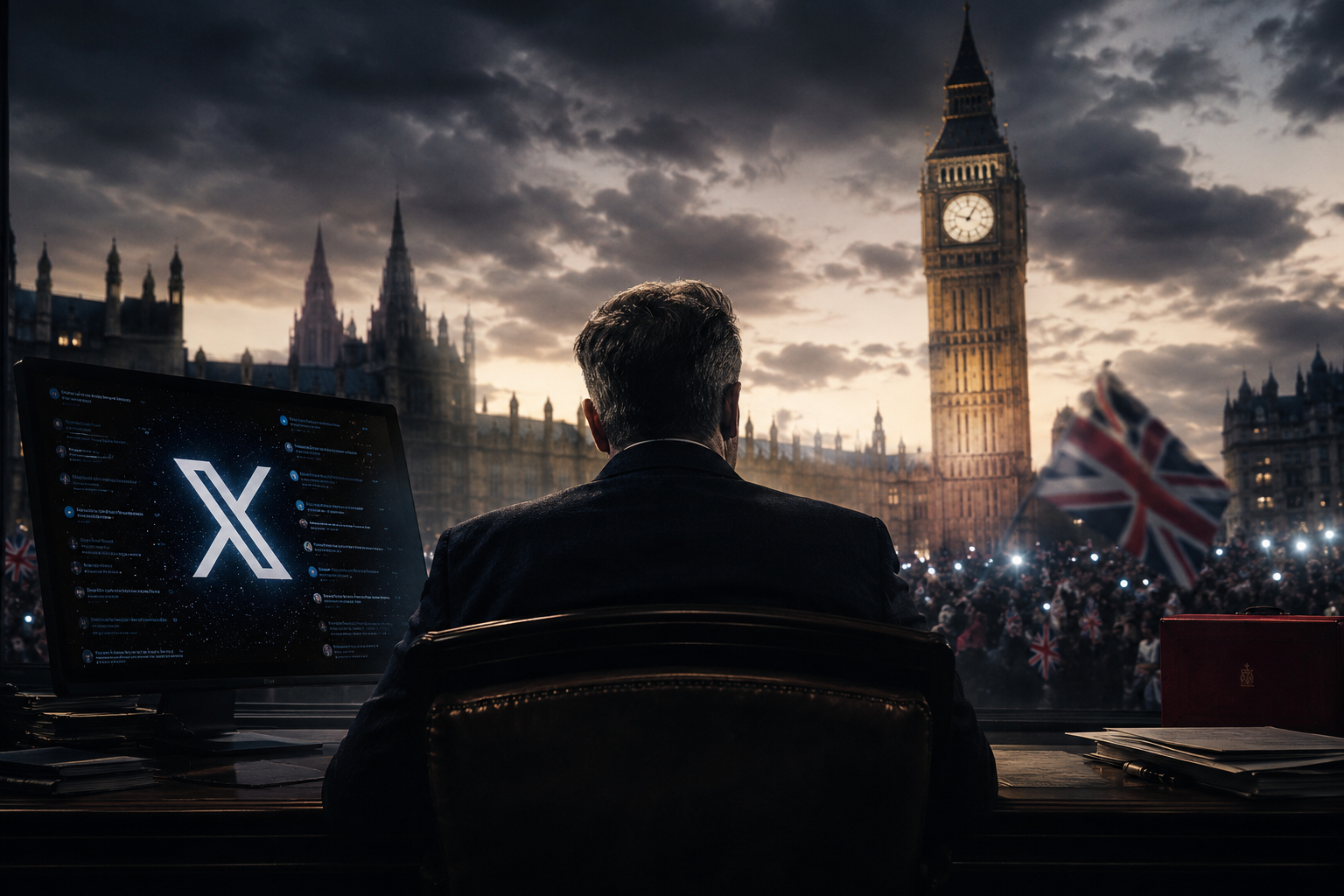
Why Britain’s Political Class Can’t Stop Fighting Elon Musk
How Elon Musk Became Westminster’s Favourite Villain
Whether people love him or hate him, Elon Musk's impact on modern technology is difficult to deny. Through Tesla, he helped transform electric vehicles from niche products into mainstream consumer choices. Through SpaceX, he accelerated private spaceflight and demonstrated reusable rocket technology that many experts once considered unrealistic.
Tesla forced much of the automotive industry to accelerate electric vehicle development. SpaceX dramatically reduced launch costs and became a major player in satellite deployment, human spaceflight and national space infrastructure. Meanwhile, ventures such as Neuralink, xAI and Starlink continue pushing into areas that could shape the next generation of technology.
Historically, figures who delivered breakthroughs of this scale were often celebrated. Yet Musk increasingly finds himself treated not as an innovator but as a political problem.
The Free Speech Question
Much of the modern conflict began after Musk acquired Twitter and rebranded it as X.
Musk repeatedly described his vision for the platform as a defence of free speech. He argued that social media companies had become too willing to suppress viewpoints and that open debate—even uncomfortable debate—was essential for a functioning democracy. Supporters saw this as a necessary correction after years of increasingly aggressive content moderation.
Critics viewed the situation very differently. They argued that reducing moderation risked increasing misinformation, abuse and social division. Research examining the period following Musk's takeover found evidence that certain forms of hate speech and contentious content increased on the platform, becoming a major focus of criticism.
The result was predictable. Musk became far more than a businessman. He became a symbolic figure in a wider cultural battle over speech, censorship, information and political power.
Why UK Politicians Keep Targeting Him
Part of the answer is simple: Musk has repeatedly inserted himself into British political debates.
Over the past two years he has commented on immigration, policing, crime, free speech, grooming gang scandals and broader concerns about government accountability. These interventions have often generated huge attention because Musk commands one of the largest audiences on Earth.
For politicians, that creates a challenge. A Prime Minister might struggle to attract global attention for a statement. Musk can reach tens of millions of people within minutes.
That imbalance of influence appears to frustrate many political leaders. When an unelected entrepreneur can shape public conversation more effectively than ministers, traditional political authority starts to look weaker.
The Famous Clashes
Perhaps the most public confrontation came during the grooming gangs controversy in early 2025.
Musk accused senior British figures, including Prime Minister Keir Starmer, of failing victims and demanded greater accountability. Starmer responded by accusing critics of spreading misinformation and pursuing their own agendas rather than helping victims.
The clashes did not stop there.
Following unrest and political tensions surrounding several high-profile incidents, Starmer has repeatedly criticised Musk's interventions. In recent days, the Prime Minister accused Musk of attempting to "whip up division" and suggested that activity on X was contributing to social tensions.
Today's Prime Minister's Questions and wider political debate again saw Musk's name emerge as politicians discussed unrest, online rhetoric and the role of social media in amplifying political conflict. Government figures continued raising concerns about online incitement and the influence of large social platforms.
For supporters of Musk, these attacks look less like legitimate criticism and more like an attempt to silence an influential dissenter.
The Argument From Musk's Supporters
Those who defend Musk make a straightforward case.
They point out that Tesla accelerated the electric vehicle revolution long before most governments took climate policy seriously. They note that SpaceX achieved breakthroughs that many state-backed programmes struggled to deliver. They argue that Starlink has provided communications infrastructure during crises and conflicts around the world.
Supporters also argue that Musk's free speech stance is fundamentally democratic. They believe uncomfortable opinions should be challenged through debate rather than suppressed through moderation.
From this perspective, the hostility directed at Musk is not really about Musk himself. It is about a growing discomfort among political institutions when narratives can no longer be tightly controlled.
The Criticisms Cannot Be Ignored
At the same time, critics raise concerns that cannot simply be dismissed.
Many argue that Musk's enormous influence brings enormous responsibility. They worry that comments made to hundreds of millions of followers can rapidly shape public opinion, intensify social conflict or amplify inaccurate claims.
Others argue that free speech is not the same as consequence-free speech. They contend that large platforms must balance open discussion with public safety concerns, particularly during periods of social tension. Recent criticism from UK leaders has largely focused on precisely this issue.
The disagreement is therefore not really about technology. It is about where the line should be drawn between liberty and responsibility.
The Bigger Risk For Britain
The deeper question is whether Britain's political class is fighting the wrong battle.
The UK frequently talks about becoming a global technology leader. It wants investment, innovation, entrepreneurship and high-growth industries. Yet some of the loudest political energy appears directed at attacking one of the world's most successful technology entrepreneurs.
That does not mean Musk should be immune from criticism. No public figure should be.
But there is a risk that constant political hostility sends a wider message. If Britain becomes known primarily for attacking disruptive innovators rather than attracting them, it may struggle to compete in an increasingly technology-driven world.
The irony is hard to miss. The man who helped mainstream electric vehicles, revolutionised private spaceflight and became one of the loudest advocates for online free speech is treated by some British politicians as a greater problem than the institutional failures he often highlights.
Whether Musk is right or wrong on any individual issue, one fact is undeniable: few entrepreneurs in history have reshaped technology as dramatically as he has. The more politicians attack him, the more they may inadvertently strengthen the very public support they are trying to contain.
