

The I’m A Celebrity Final That Descended Into Live TV Chaos
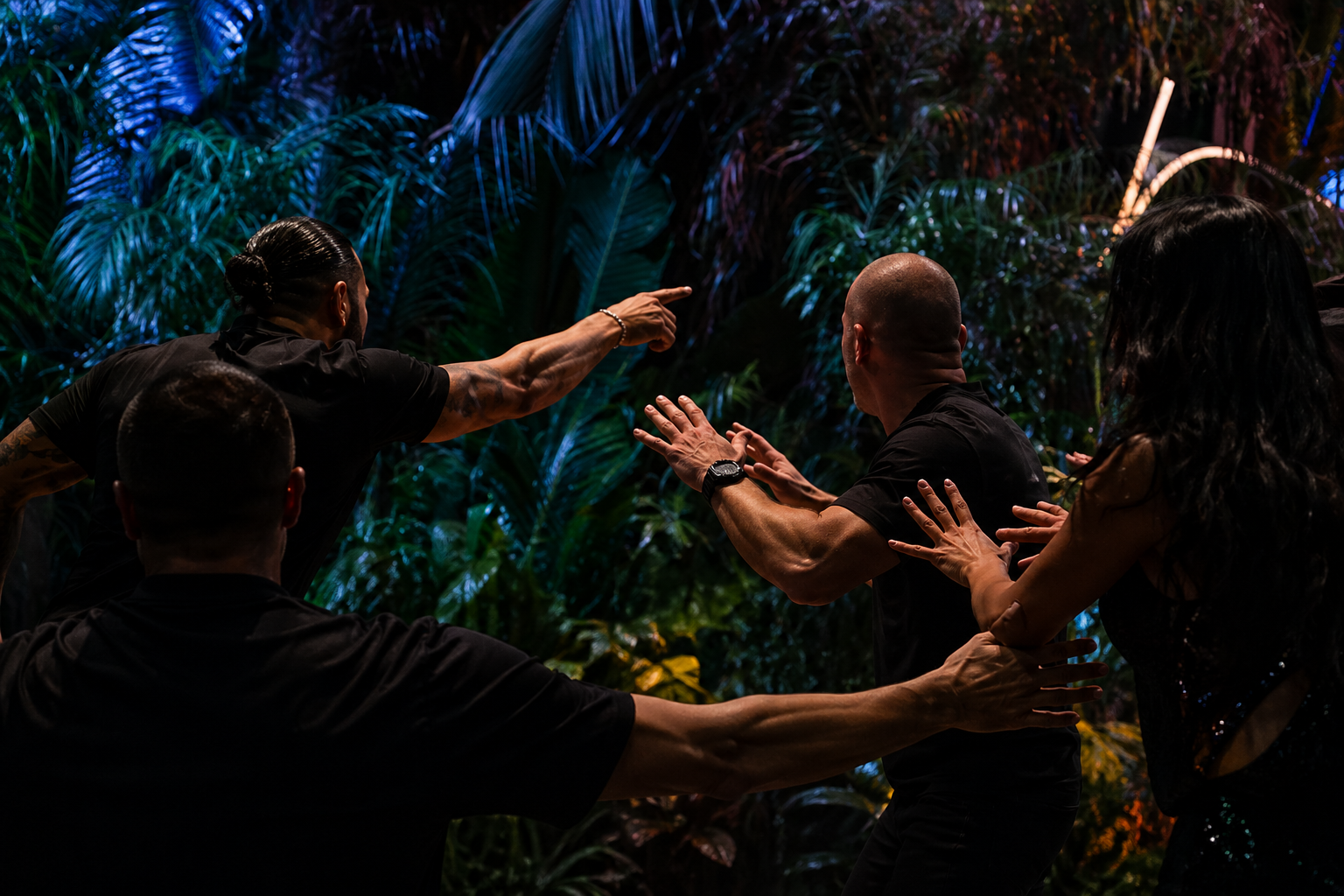
The Night Reality TV Broke: Inside The Explosive I’m A Celebrity Final That Turned Into Chaos
Inside The Explosive Row That Hijacked The I’m A Celebrity Final
For a few minutes, it looked like a standard ending. A winner was announced. Applause. This is a clean wrap to two weeks of competition.
Then it broke.
What unfolded during the live final of I'm a Celebrity... Get Me Out of Here! South Africa wasn’t just drama. It was a public fracture—on-air, unscripted, and impossible to edit away.
A confrontation between contestants escalated. Accusations flew. Walkouts followed. Security stepped in. And by the time the broadcast ended, something far messier—and far more revealing—had swallowed the “winner’s moment.”
This wasn’t just a chaotic final. It was a live exposure of what reality TV becomes when control slips.
What Actually Happened
The 2026 All Stars edition ended with actor Adam Thomas crowned winner after a decisive public vote.
But the announcement was almost secondary.
During the live show, tensions between Thomas and former contestants—most notably Jimmy Bullard and David Haye—spilled into open confrontation.
The dispute centered on allegations about behavior in camp and claims that key moments editors had edited out or misrepresented.
Bullard and Haye accused Thomas of aggressive conduct
They challenged the show’s editing decisions live on air
Hosts Ant McPartlin and Declan Donnelly intervened to defend the programme
The tone shifted quickly—from disagreement to confrontation.
At one point, fellow contestants Sinitta and Gemma Collins walked off stage entirely.
Security reportedly became involved as tensions escalated beyond what producers could contain.
And just like that, the final lost its script.
The Accusations That Changed The Tone
The outburst wasn’t just shouting for airtime. The conflict cut deeper.
At the center were competing narratives:
Narrative One — The Winner’s Story
Adam Thomas was positioned as a popular, audience-backed winner. His vote share was dominant, indicating strong public support.
Narrative Two — The Contestant Revolt
Bullard and Haye argued the portrayal of events was incomplete—and potentially misleading. They suggested key moments had been excluded, shaping how audiences judged behavior.
This moment is where the story shifts from entertainment to something more volatile:
control over narrative versus reality inside the show.
The accusations didn’t end with the broadcast. Reports indicate legal advice is being explored, with claims of reputational harm linked to how footage was edited.
That takes the story out of the jungle—and into something far more serious.
Why This Matters Right Now
Reality TV relies on a simple contract:
You believe what you’re shown.
The I’m A Celebrity final disrupted that contract in real time.
For viewers, the question became immediate:
Was the show presenting truth—or a version of it?
For contestants, the stakes were higher:
Their reputations are shaped not just by what they do but by what is broadcast.
And for broadcasters, the risk is clear:
When participants openly challenge production decisions live on air, the illusion of control disappears.
Such behavior is rare. And that’s why it spreads.
The Moment Live TV Lost Control
There’s a difference between drama and breakdown.
Reality TV is designed for tension—but controlled tension. Conflict is edited, structured, and timed.
This wasn’t.
The hosts were forced into unscripted defense.
Contestants ignored format boundaries
Walkouts disrupted continuity
Security presence became visible
That last detail is the most important.
When security enters the frame—literally or implicitly—it signals something producers cannot manage internally.
At that point, the show is no longer directing events. It is reacting to them.
What Most People Miss
It’s easy to frame the situation as celebrity egos clashing.
That’s not the real story.
The deeper shift is this:
Participants no longer fully accept the edit.
Historically, contestants complained after the show—on podcasts, in interviews, and on social media.
Here, they challenged it live.
That changes the power balance.
It suggests a growing awareness among reality TV participants that
Their image is constructed
That construction can be contested
And that live TV is the only moment where that contest cannot be edited out
That’s a fundamental shift in how these shows operate.
The Fallout Is Already Spreading
The chaos didn’t end with the credits.
After the broadcast:
Some contestants were reportedly removed from follow-up programming
Public debate intensified over fairness and editing
Allegations of bullying and manipulation surfaced from multiple sides
Even the winner’s moment was affected. Adam Thomas later described the experience as emotionally difficult, despite winning.
That alone tells you something important:
Victory didn’t feel like a victory.
The Cultural Impact — Why This Will Travel
This story has all the ingredients of sustained traffic:
UK audience familiarity
Recognisable celebrity names
Live TV unpredictability
Conflict with moral stakes (bullying vs fairness)
Possible legal escalation
But the real reason it will continue spreading is simpler:
It feels real.
Not curated. Not controlled. Not resolved.
And in a media environment saturated with polished content, that kind of raw moment cuts through instantly.
The Bigger Question Now
The final didn’t just end a series.
It raised a question the industry can’t ignore:
What happens when reality TV stops being controllable?
If contestants continue to challenge narratives live
If audiences start questioning edits more openly
If legal pressure grows around portrayal
Then the format itself begins to shift.
Not overnight.
But moments like this accelerate it.
The Ending That Wasn’t Clean
A winner was crowned.
But that’s not what people will remember.
They’ll remember the confrontation.
The walkouts.
The tension that refused to be wrapped up neatly.
Because for a brief moment, reality TV stopped pretending.
And when that happens—
It doesn’t feel like entertainment anymore.
It feels like exposure.
