The War No Longer Has Borders: As U.S. Signals Wider Escalation
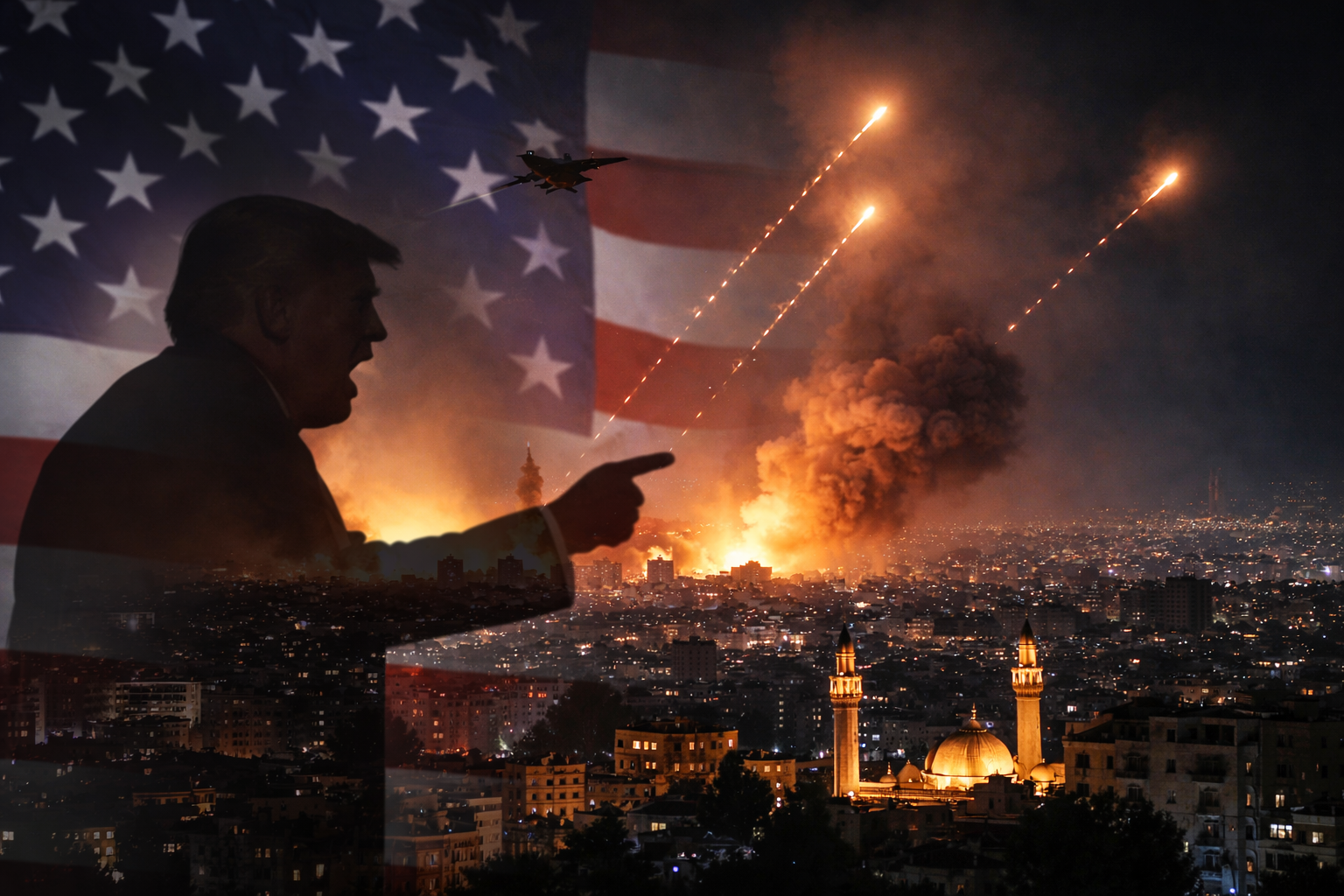
War Reaches Capitals: Israel Strikes Tehran and Beirut
Middle East War Widens After Israeli Strikes in Tehran
Airstrikes have hit targets in Tehran and Beirut, marking one of the most dramatic geographic expansions of the current Middle East conflict. As of March 6, 2026, the widening air campaign suggests the confrontation is no longer confined to a single battlefield.
Israeli strikes inside Iran’s capital and Lebanon’s capital indicate a shift from limited retaliation to a broader strategy targeting the infrastructure and leadership networks believed to support regional militant groups.
At the same time, signals from Washington suggest the United States may be preparing for deeper involvement, either through direct military support or expanded regional deterrence measures.
Yet the significance of these strikes may lie less in the targets themselves and more in the strategic threshold they cross: attacks in national capitals dramatically increase the risk of miscalculation between states.
The story turns on whether this widening campaign remains controlled retaliation or becomes a regional war involving multiple governments and militias.
Key Points
Israeli strikes have reportedly hit sites in Tehran and Beirut, dramatically widening the geographic scope of the conflict.
The attacks seem to target networks associated with Iranian military and proxy groups operating throughout the region.
Signals from Washington indicate the United States may support escalation through deterrence or expanded military positioning.
Strikes in national capitals raise the risk of direct state-to-state confrontation, not just proxy warfare, as they could provoke immediate military responses from affected nations and escalate tensions in the region.
Regional actors, including armed groups aligned with Iran, could retaliate across multiple fronts, potentially targeting U.S. military bases, Israeli interests, and allied nations in the region.
The coming days will likely determine whether the conflict stabilizes or expands into a broader regional war.
The Middle East conflict has been escalating through cycles of retaliation between Israel, Iran, and Iranian-aligned groups across several countries.
For years, Israel has carried out covert or limited strikes aimed at disrupting Iranian military capabilities, weapons shipments, and militia infrastructure in the region.
Lebanon has long been a key front due to the presence of Hezbollah, a powerful armed organization aligned with Iran that possesses thousands of rockets and a large fighting force.
Iran, meanwhile, maintains influence through a network of allied groups across the Middle East, sometimes described as a “proxy network”—militias and political organizations that operate in countries such as Lebanon, Syria, Iraq, and Yemen while maintaining ties to Tehran.
Direct attacks inside Iran’s capital represent a particularly sensitive escalation. Such strikes move beyond shadow conflict into actions that could trigger national retaliation.
Washington’s role has also become more visible. The United States has military forces and assets stationed across the region and has historically intervened when conflicts threaten wider regional stability.
Political and Geopolitical Dimensions
The strikes place regional governments in a delicate position.
Israel appears to be signaling that it will target command networks and logistical hubs wherever they operate, even inside major cities. This strategy aims to disrupt the coordination of groups that threaten Israeli territory.
Iran faces pressure to respond in some form. Failing to react could weaken its influence among allied groups and regional partners. Yet direct retaliation risks triggering a larger confrontation involving Israel and possibly the United States.
Several scenarios could emerge:
A controlled exchange of strikes could continue, with each side targeting military infrastructure while avoiding mass civilian casualties. Signs of this scenario would include limited retaliation and careful messaging from governments, such as public statements emphasizing restraint and diplomatic efforts to de-escalate tensions.
A broader regional escalation could occur if allied militias launch coordinated attacks across multiple countries. Indicators would include rocket launches, drone strikes, or attacks on military bases.
A diplomatic pause might also emerge if international actors push for de-escalation. Early signals would include emergency negotiations or public statements urging restraint.
Economic and Market Impact
Regional conflict carries immediate economic risks.
Energy markets are particularly sensitive to instability in the Middle East, which remains central to global oil supply. Even limited military exchanges can raise concerns about supply disruptions, which can lead to increased oil prices and volatility in energy markets.
Shipping routes and insurance costs may also rise if conflict spreads to strategic waterways or transport corridors.
Financial markets tend to react quickly to geopolitical uncertainty. Increased volatility could appear if the conflict begins to threaten trade routes or energy infrastructure.
Technological and Security Implications
Modern conflicts increasingly involve precision weapons, drones, and cyber operations alongside traditional airstrikes.
Urban strikes in major capitals highlight the growing reach of long-range capabilities. Advanced intelligence systems, satellite surveillance, and precision-guided munitions allow militaries to strike targets far beyond traditional front lines.
However, operating in dense cities introduces risks. Intelligence errors or equipment failures could lead to unintended civilian casualties, potentially accelerating political pressure for retaliation.
Cyber operations may also become more prominent. States often combine military strikes with cyber disruptions aimed at communications, infrastructure, or financial systems.
What Most Coverage Misses
The most consequential shift may not be the airstrikes themselves but where they occurred.
Attacks in Tehran and Beirut move the conflict from contested border zones into political and symbolic centers of power. Capitals are not just military targets; they represent national authority.
When strikes reach capitals, domestic pressure on governments increases dramatically. Leaders face expectations to defend national prestige and security.
This dynamic changes the strategic equation. Limited retaliation that might have remained contained when confined to remote facilities can become politically untenable once national capitals are involved.
In other words, geography alters escalation risk. A strike hundreds of miles away might be treated as a tactical event. A strike in a capital city becomes a national challenge.
That shift may determine how governments choose their next move, influencing their military, diplomatic, and public response strategies in the aftermath of the event.
Why This Matters
In the short term, the next 24 to 72 hours are critical. Governments will decide whether to retaliate, de-escalate, or reposition forces.
Regional militaries may increase readiness levels, deploy additional air defenses, or move naval assets closer to potential flashpoints.
Civilian populations in affected cities may experience heightened security measures and disruptions, such as increased police presence, curfews, and interruptions to daily life, including transportation and access to services.
Over the longer term, the conflict could reshape alliances and deterrence strategies across the Middle East.
Key developments to watch include emergency diplomatic efforts, military mobilization announcements, and statements from regional governments about retaliation or restraint.
Real-World Impact
A shipping company reroutes vessels away from a high-risk maritime corridor, increasing transit times and fuel costs.
An airline adjusts flight paths across the Middle East to avoid potential missile or drone threats.
A technology firm with regional offices activates contingency plans as employees work remotely during heightened security alerts.
A small manufacturing business sees delays as insurance costs rise for cargo moving through affected routes.
The Middle East at a Strategic Crossroads
The widening air campaign has pushed the conflict into new territory—both geographically and politically.
Strikes in Tehran and Beirut signal a willingness to escalate beyond traditional battlegrounds. That shift forces governments across the region to reconsider their options.
One path leads toward contained retaliation, where each side limits the scale of attacks to avoid a wider war.
The other path leads toward regional escalation, with multiple actors drawn into a prolonged confrontation, potentially resulting in significant humanitarian crises and destabilization of the region.
Which direction the conflict takes may become clear in the coming days.
Moments like these rarely announce themselves as turning points. But when capitals become battlefields, history often begins to move faster.
