Trump Says US Is “Clearing” the Strait of Hormuz — Iran Says It Isn’t Happening
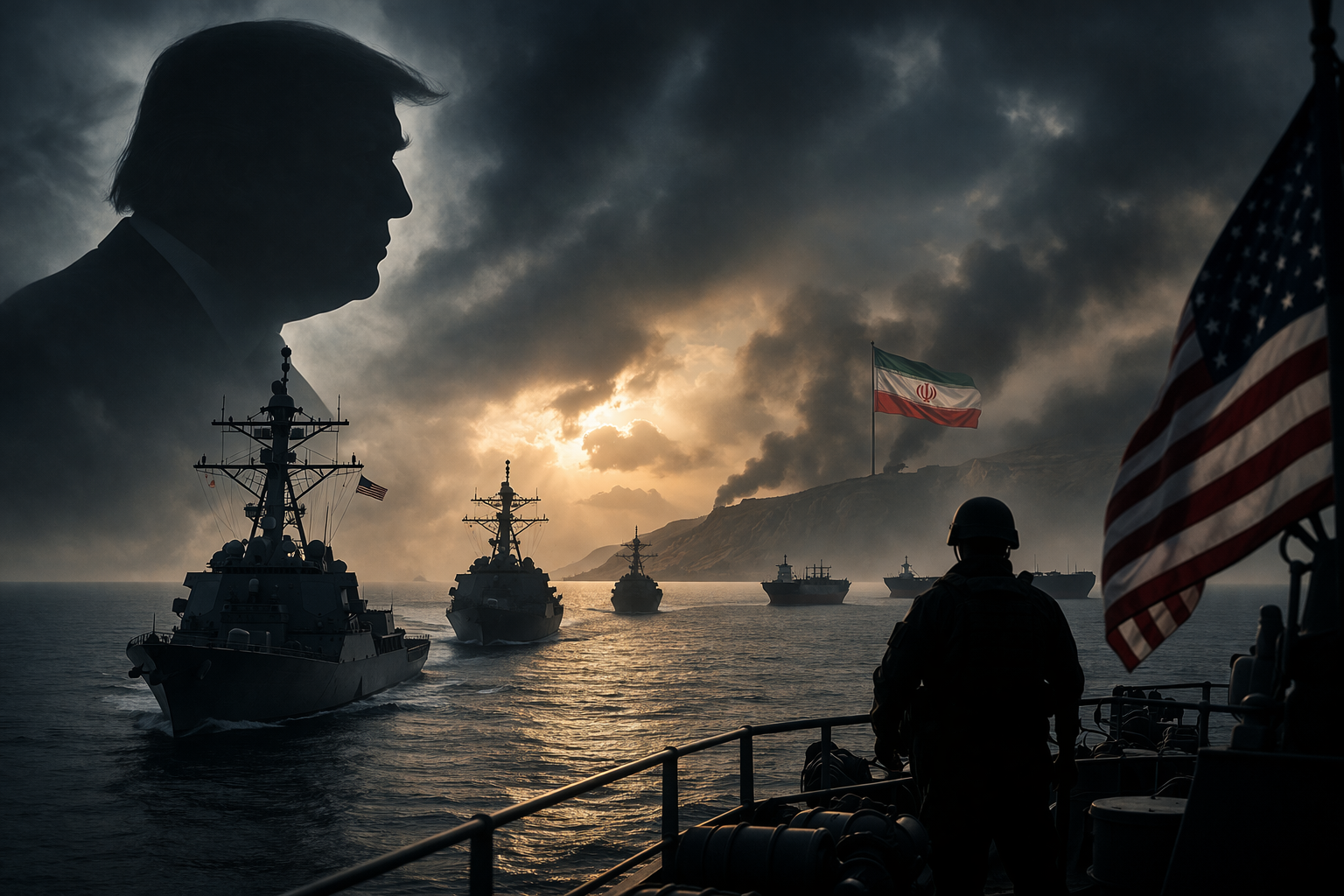
Trump Declares Victory at Sea — Iran Signals the Opposite
Currently, mixed signals create uncertainty, posing a significant risk.
A Claim That Changes Everything — If It’s True
The United States is now claiming it is actively “clearing” the Strait of Hormuz—one of the most critical and sensitive waterways on Earth.
According to a statement from Donald Trump, US forces have begun removing mines and have already destroyed Iranian minelaying vessels, framing the move as a global service to restore shipping.
If accurate, the claim would mark a decisive shift: from deterrence to active control of the strait.
But almost immediately, a second reality emerged.
Iran denied key elements of the claim—including whether US ships had even successfully crossed the strait—and issued warnings that any American vessels entering could be targeted.
This is not just escalation.
It is contradiction at the highest level.
What Is Actually Happening on the Water
The physical situation in the Strait of Hormuz appears far less clear than the rhetoric.
The US says it is clearing mines and restoring navigation
Iran says no such operation is taking place
Reports suggest US naval movements did occur—but at least one vessel turned back after threats
Shipping traffic remains limited, with hundreds of vessels still affected
Even after a supposed ceasefire framework, the strait is not functioning normally. Oil flows remain disrupted, and risk is still priced into global markets.
In other words:
Control has not been established.
It is being contested in real time.
The Real Story: This Is Now a Battle of Narratives
What makes this moment different is not just military movement.
It is the emergence of two incompatible versions of reality:
A US narrative of dominance, control, and restoration
An Iranian narrative of resistance, denial, and deterrence
Both cannot be fully true at the same time.
And that matters, because perception in geopolitics is not secondary — it is operational.
If global markets, shipping firms, and governments believe the strait is secure, traffic resumes.
If they perceive it as contested, it freezes.
Right now, the signals are mixed, and that uncertainty is the real risk.
Why the Strait of Hormuz Changes Everything
This region is not just another flashpoint.
The Strait of Hormuz is one of the most strategically important locations in the world:
Roughly 20% of global oil supply passes through it
It is narrow, exposed, and difficult to secure
Even limited disruption can move global energy prices instantly
That means:
Every claim about control has immediate economic consequences.
Every military move has global ripple effects.
Every miscalculation carries systemic risk.
What Media Misses
The focus so far has been on whether the US is clearing the strait.
That is not the most important question.
The real issue is this:
No one has uncontested control, and both sides are acting as if they do.
That is the most unstable configuration possible.
If the US believes it has established control, it will act more aggressively
If Iran believes it still controls access, it will enforce that belief
If both act on those assumptions, collision becomes more likely
This is how escalation actually happens — not through declared war, but through conflicting realities that force confrontation.
Diplomacy Is Happening — But It’s Not Stabilising the Situation
At the same time as naval movements and public claims, US and Iranian officials are engaged in talks in Islamabad under a fragile ceasefire framework.
But instead of calming the situation, diplomacy is running parallel to escalation.
That creates a dangerous dynamic:
Negotiations signal de-escalation
Military posture signals readiness to escalate
Public messaging signals dominance
These three tracks are not aligned.
They are colliding.
