U.S. Hits 90 Iranian Targets As Trump Warns Tehran Again
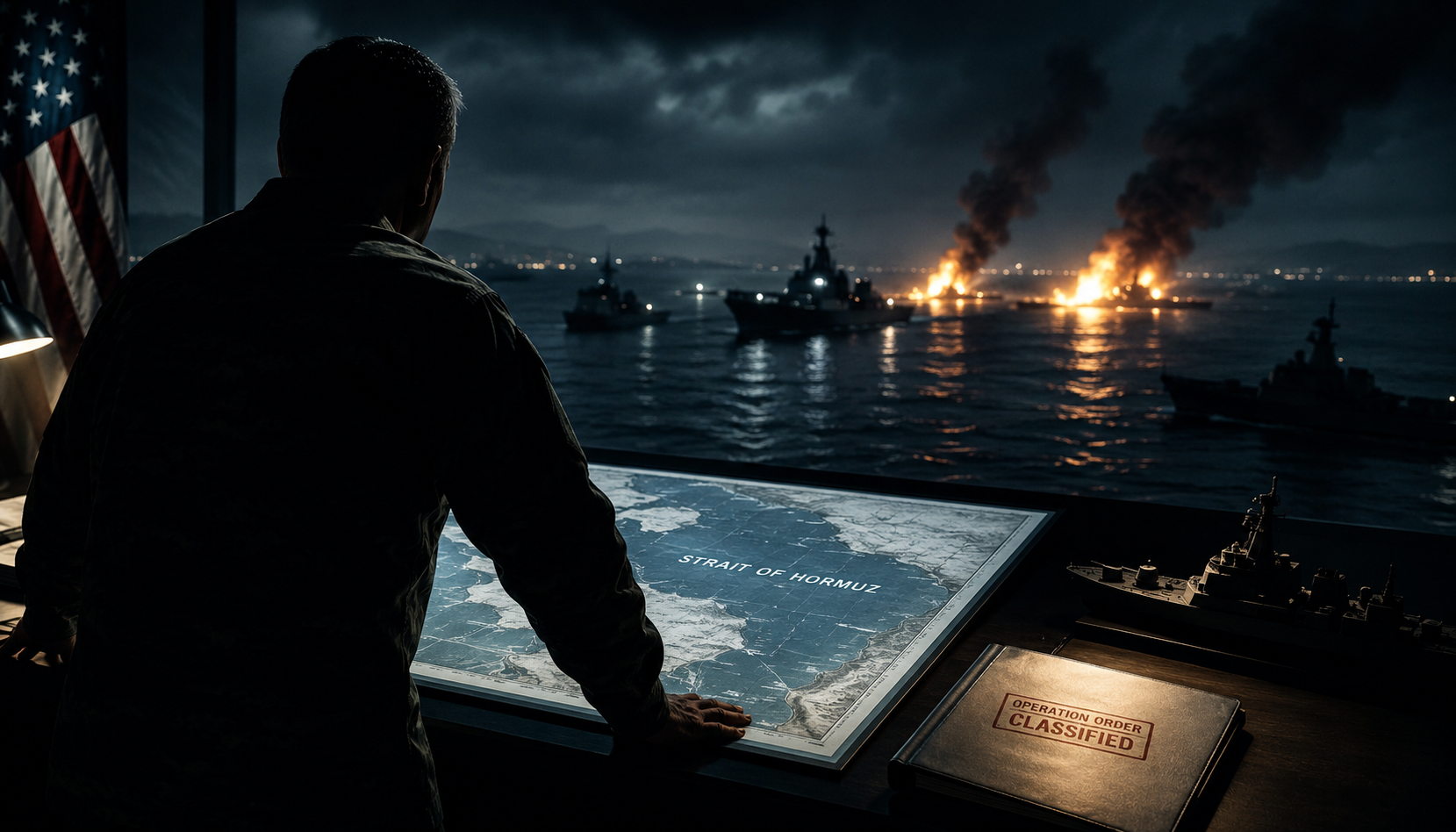
Iran Ceasefire Collapses As Trump Chooses Force Over Drift
Trump Turns The Heat Back On Iran As Ceasefire Collapses Again
The United States has launched a new wave of strikes on Iran after the ceasefire between Washington and Tehran collapsed under renewed attacks around the Strait of Hormuz. U.S. Central Command says the latest operation was designed to degrade Iran’s ability to threaten commercial shipping and civilian mariners in one of the world’s most important energy corridors.The political message from President Donald Trump is blunt: Iran cannot attack shipping, test American patience, and still expect Washington to treat the ceasefire as alive. The military message is just as clear. If Tehran uses the Strait of Hormuz as leverage, Trump is prepared to use American force to remove that leverage.
What The U.S. Says It Hit
CENTCOM says U.S. forces struck around 90 Iranian military targets on 8 July, including air defence systems, coastal surveillance assets, missile and drone storage sites, naval capabilities and military logistics infrastructure along Iran’s coastline. The latest round followed strikes the previous night, when CENTCOM says around 80 Iranian military targets were hit, including more than 60 Islamic Revolutionary Guard Corps small boats.
That target list matters because it suggests the U.S. is not merely sending a symbolic warning shot. It is trying to cut into the systems Iran would use to harass ships, monitor maritime traffic, launch drones or missiles, and sustain pressure around the Strait of Hormuz. In pro-Trump terms, this is the core of the argument: deterrence only works when threats have costs.
Why Trump Says The Ceasefire Is Over
Trump has said the ceasefire is effectively over and warned that further U.S. strikes were likely. Speaking on 8 July, he said the United States would “hit them hard” and repeated that Iran must never be allowed to obtain a nuclear weapon.
The Trump position is simple: a ceasefire is not a shield for Iran to attack shipping and then demand restraint from America. His critics will call the strikes escalation. His supporters will argue the opposite: that failing to respond would invite more attacks, more maritime chaos, higher energy prices, and a weaker American hand in any future negotiations.
How Iran Has Responded
Iran has retaliated by targeting U.S.-linked or U.S.-allied positions in the Gulf, with reports of attacks or attempted attacks involving Kuwait, Bahrain and Qatar. Iran has also accused the United States of violating the ceasefire and has described the strikes as unlawful aggression.
The danger is that each side now claims it is responding to the other. Washington says Iran broke the ceasefire by attacking commercial vessels. Tehran says the United States broke it through military strikes. That creates the classic escalation trap: every retaliatory move becomes the justification for the next one.
What Has Been Damaged
The confirmed U.S. account focuses on Iranian military and coastal capabilities. CENTCOM says air defence, surveillance, missile, drone, naval and logistics targets were hit, which points to a campaign aimed at reducing Iran’s ability to threaten the Strait of Hormuz rather than a broad attack on every part of the Iranian state.
Iranian authorities, meanwhile, report damage to infrastructure including a floating pier at Sirik port, a section of the Tehran-Mashhad railway, and the Agh Tappeh Khan bridge. Iran’s Health Ministry says strikes over recent days have killed 14 people and injured 78, though those casualty figures come from Iranian officials and should be treated as claims unless independently confirmed.
Are More Strikes Coming?
Further strikes are clearly possible. Trump has already warned that the U.S. could hit Iran again, and CENTCOM says American forces remain “vigilant, lethal, and prepared” to carry out operations directed by the Commander in Chief.
The key question is whether Iran stops testing the Strait of Hormuz or decides to widen retaliation. If Tehran pulls back, Trump can claim that force restored deterrence. If Iran keeps firing, the ceasefire may not just be broken; it may become irrelevant.
