

Moderna’s Ebola Shot Enters Human Trials as Congo Death Toll Surges
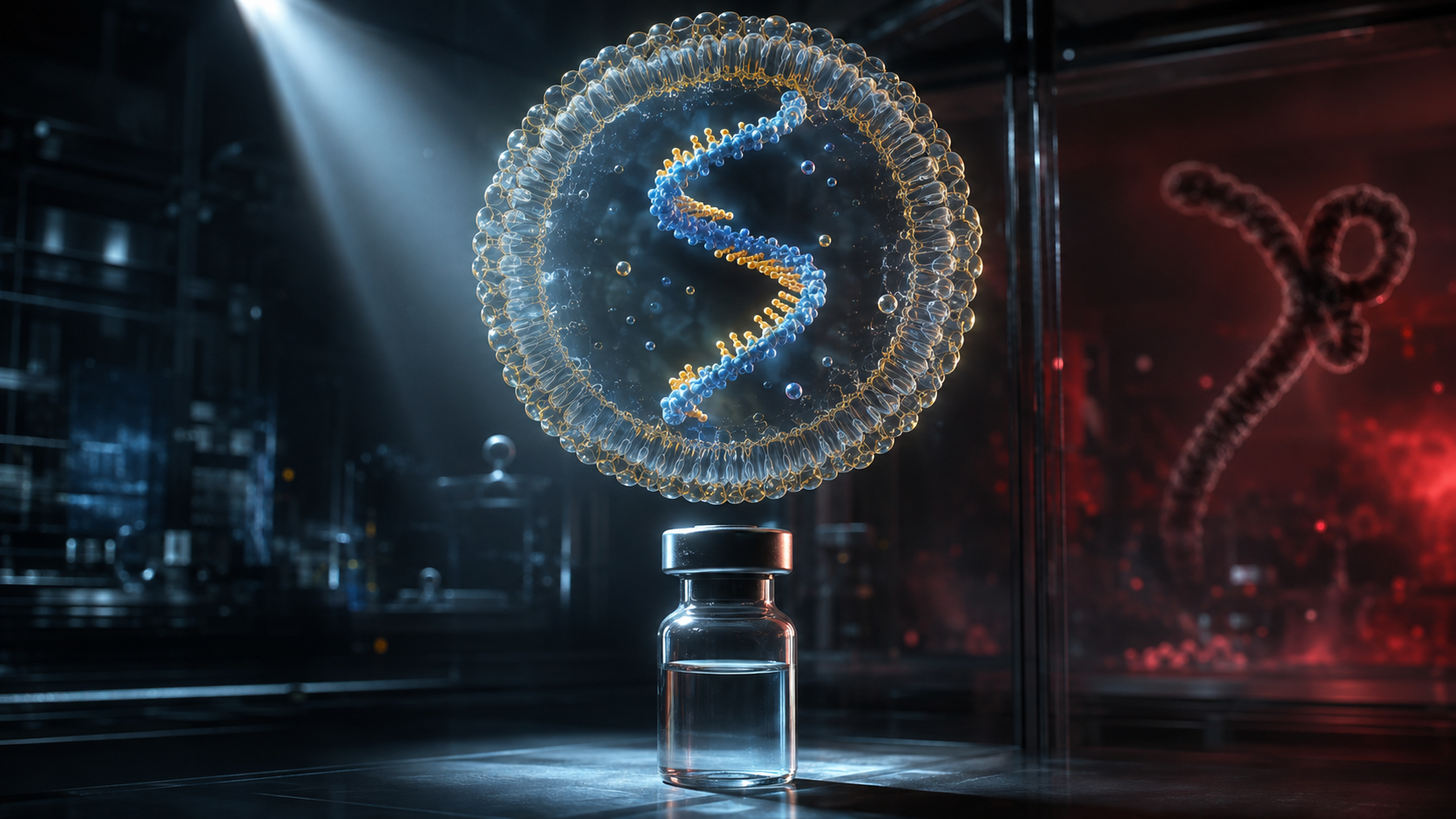
Moderna Tests mRNA Ebola Vaccine Against Deadly Bundibugyo Strain
Moderna Begins Human Trial of Ebola Vaccine as Outbreak Accelerates
Moderna has administered its experimental Bundibugyo Ebola vaccine to its first human volunteers, opening a critical new front against an outbreak that has already killed more than 1,700 people. The vaccine, known as mRNA-1469, uses the mRNA platform that became globally recognised during the COVID-19 pandemic.
The breakthrough is significant because there is currently no approved vaccine designed specifically to prevent disease caused by Bundibugyo virus. Yet this is still a Phase 1 trial: it will test safety and immune response, not prove that the vaccine can stop infections or control the present outbreak.
What Moderna Has Started
The Canadian study is expected to enrol 84 healthy adults aged between 18 and 65 at three research sites in Halifax, Truro and Toronto. It is a randomised, placebo-controlled, dose-escalation trial in which volunteers receive one injection of either mRNA-1469 or a matching placebo.
Researchers will test three dose levels in sequence. Early monitoring will focus on local and systemic reactions during the first seven days, other adverse events during the first 28 days and medically attended or serious events over a much longer follow-up period.
The study will also measure Bundibugyo-specific antibodies from Day 29 through to Day 337. Those results should show whether the vaccine can produce a measurable immune response and whether that response persists, but antibodies alone will not establish real-world protection.
Health Canada authorised the trial on 30 July. Although the first volunteers have now received the injection, the study’s estimated completion date is September 2027, illustrating the gulf between beginning human testing and having an approved vaccine ready for widespread deployment.
Why Bundibugyo Ebola Is Different
Ebola is not a single, interchangeable virus. Existing vaccines have primarily been developed against Zaire ebolavirus, the species responsible for several of the largest and best-known outbreaks.
The current crisis is being driven by Bundibugyo virus. There is no approved vaccine or antiviral treatment specifically targeting it, and protection from products designed for other Ebola species cannot simply be assumed.
This gap has become far more dangerous as the outbreak has expanded across eastern Democratic Republic of Congo. More than 3,800 infections and 1,700 deaths have now been reported, making it the second-largest Ebola outbreak recorded and one that has grown substantially faster than previous epidemics during its opening months.
Conflict, damaged health infrastructure, population movement and violence against medical teams have made conventional containment harder. Contact tracing becomes less effective when patients cannot be reached, communities distrust officials or healthcare workers are unable to operate safely.
That is why a successful vaccine could eventually provide more than individual protection. It could become a tool for ring vaccination, protection of frontline workers and targeted immunisation around emerging clusters, helping public-health teams break chains of transmission.
How the mRNA Vaccine Works
Moderna’s candidate uses messenger RNA to give cells temporary instructions for producing a harmless viral target that the immune system can learn to recognise. It does not contain live Ebola virus and cannot cause Ebola disease.
The attraction of the platform is speed and adaptability. Once scientists identify the correct viral target, an mRNA candidate can potentially be designed and manufactured faster than some traditional vaccine types, while production processes can be adapted from technology that has already been used at scale.
That advantage does not guarantee clinical success. The trial must determine whether mRNA-1469 is acceptably safe, which dose produces the best response and whether the antibodies it generates are likely to be relevant against Bundibugyo virus.
Even favourable Phase 1 findings would lead to further questions. Researchers would still need evidence on protection, durability, dosing, storage, manufacturing and deployment in the regions where the vaccine would actually be used.
A Wider Race Against the Outbreak
Moderna is not the only organisation pursuing a Bundibugyo vaccine. Oxford researchers and the Serum Institute of India are developing a viral-vector candidate, while another programme is using technology related to the platform behind the approved Ervebo vaccine for Zaire Ebola.
Having several candidates matters because early vaccine development is uncertain. One platform may generate stronger immunity, another may prove easier to distribute and a third may reach large-scale manufacturing sooner.
The Coalition for Epidemic Preparedness Innovations has committed up to $50 million to Moderna’s programme. That support covers early development, testing and manufacturing, with further progress dependent on the evidence produced.
Under the partnership, Moderna has said that if the candidate succeeds and obtains approval, it intends to make at least 500,000 doses available to low- and middle-income countries at access pricing. That commitment could become decisive if Bundibugyo continues circulating or returns in future outbreaks.
What Happens Next
The immediate focus will be the safety data from the first dose groups. Researchers can then proceed through higher dose levels while monitoring reactions and measuring the strength of the immune response.
Useful early signals may emerge before the study formally ends, but the trial cannot deliver an instant answer to Congo’s present emergency. It is being conducted in healthy Canadian volunteers and is not designed to determine directly whether vaccinated people exposed during an outbreak are protected.
Later-stage studies may need to involve communities in Africa where exposure is possible, subject to strict ethical and regulatory safeguards. Conducting those studies amid conflict, distrust and an active emergency would be scientifically valuable but operationally difficult.
Moderna has crossed the threshold from laboratory development into human testing at the moment the need is most visible. The result could eventually close one of the most dangerous holes in the world’s Ebola defences—but the outbreak is moving far faster than vaccine development, leaving containment teams to fight today’s crisis without the protection this trial is trying to create.
