Why Your Next Fixed-Rate Deal Could Cost Twice What the Bank Expected in July
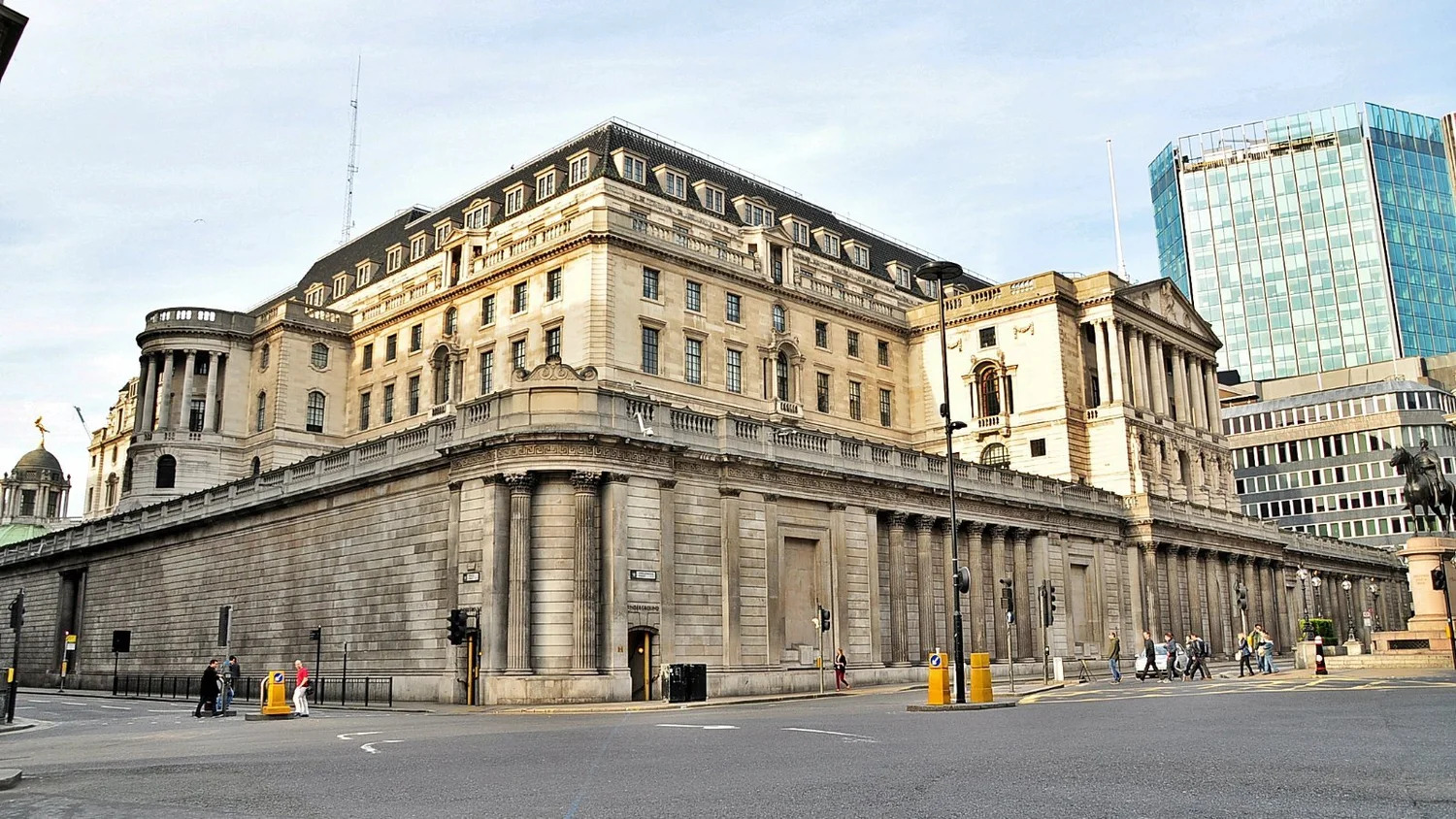
About 6.5 million homeowners in the UK are now projected to see their monthly mortgage payments rise when their current fixed-rate deals end, and the typical increase has roughly doubled since the summer. That is the central household warning in the Bank of England's November 2026 Financial Stability Report, published on Thursday 26 November.
The Bank's Financial Policy Committee (FPC) now projects that a typical owner-occupier rolling off a fixed-rate deal over the next three years will see a median rise of around £100 a month. That is about twice the increase it projected in its July report, which the BBC reports was around £45 a month.
If you are on a fixed rate that ends in the next few years, this is the Bank's best estimate of what is coming. The figures are projections, though, and they could change if mortgage rates move.
What the Bank Found
- Who refinances: of the roughly 9 million owner-occupier mortgages outstanding, about 7 million are projected to refinance between June 2026 and December 2029.
- Who pays more: around 6.5 million of those are projected to see payments rise, up from around 6 million at the time of the July report. Around 350,000 are projected to see payments fall.
- The biggest jumps: just over 1 million households currently on mortgage rates below 3% are due to refinance by the end of 2027. The BBC reports that this group faces an average increase of about £200 a month.
- Some perspective: the Bank says the median increase is projected to be materially smaller than the rises borrowers experienced in 2023 and 2024. The BBC puts it at about half.
Why Mortgage Rates Have Gone Up
The Bank's report says borrowing costs have risen globally. It gives quoted two-year fixed mortgage rates of 5.39% at 75% loan to value and 5.60% at 90% loan to value, with equivalent five-year fixed rates of 5.19% and 5.38%. The two-year rates are 0.47 and 0.28 percentage points higher than at the time of the July report.
The financial information service Moneyfacts, quoted by the BBC, put the average two-year fixed deal at 5.99% and the average five-year deal at 6% on Thursday, the highest for about three years. The BBC links the rise to global economic uncertainty since the Iran war began. Earlier in November the Bank raised Bank Rate from 3.75% to 4%, its first increase in more than three years.
Are Households Coping?
The Bank says pressures are building, particularly for low-income households and renters, who spend more of their income on essentials. Nearly 30% of households in the NMG Consulting survey it cites reported being under financial pressure, with higher credit card balances and arrears on bills and utility payments among the main reasons.
Households facing higher mortgage payments "may need to reduce discretionary spending or draw down savings as higher energy and other essential costs feed through", the report says. Most mortgage holders have savings buffers, it adds, and the pressure has not yet turned into a material increase in arrears on household debt.
The governor, Andrew Bailey, said arrears and repossessions were not at the scale seen in the early 1980s, the early 1990s or the financial crisis, according to the BBC.
The Wider Risks: AI, Cyber Attacks and Bank Buffers
- AI: the Bank warns that deepening AI-related interconnections across the financial system increase the likelihood that several risks materialise at once.
- Cyber and operational risk: it says these risks "have risen significantly" and are becoming a more prominent threat to financial stability. Firms need to keep pace with the growing scale and sophistication of cyber threats.
- Banks: the Bank judges the UK banking system to have been resilient. The FPC kept the UK countercyclical capital buffer, the extra capital banks must hold for bad times, at its neutral setting of 2%.
What It Means If Your Deal Is Ending
The report does not change anyone's mortgage. It is the Bank's assessment of risks to the financial system. For borrowers, its message is that the rise in payments when fixed deals end is larger and wider than the Bank expected in the summer, and that the numbers depend on where mortgage rates go next. The BBC notes that the projections could improve if international volatility eases and rates fall.
What We Still Do Not Know
- How far mortgage rates will move from here, which will decide whether the £100 estimate rises or falls.
- Whether the Bank's next interest rate decision will add to or ease the pressure.
- Whether rising financial pressure eventually feeds through into higher arrears, which the Bank says has not yet happened.
Sources
- Bank of England: Financial Stability Report, November 2026
- BBC News (Kevin Peachey): Millions of people to see average monthly mortgage payments rise by £100 (26 November 2026)
