

“He Won’t Step Into the Ring”: Why Keir Starmer Is Under Such Scrutiny After PMQs Clash With Kemi Badenoch
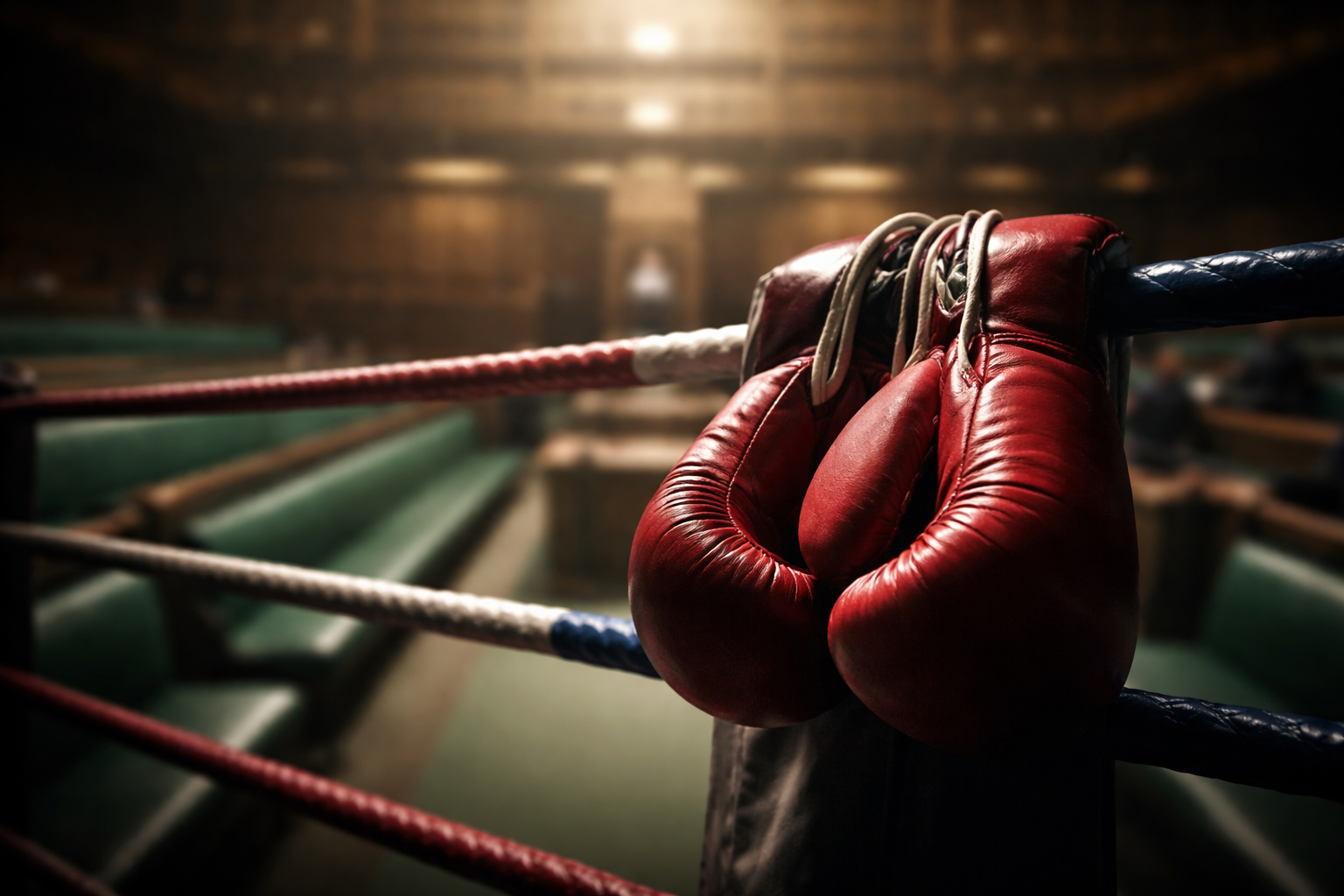
A Crisis of Judgment: Why Keir Starmer Is Facing His Most Dangerous Week Yet
Kemi Badenoch didn’t just go for Keir Starmer’s record at PMQs—she went for his nerve.
Her “won’t step into the ring” line landed because it plugged into a wider, fast-growing story: a prime minister battling accusations of weak judgment, chaotic staffing, and a Downing Street operation that looks like it keeps walking into avoidable crises.
As of Wednesday, February 11, 2026, the latest flashpoint is the fallout around figures close to Starmer—including the Mandelson appointment controversy and the suspension of Lord Matthew Doyle from the Labour whip over past support for a man later convicted of child sex offenses. Those episodes have merged into a single question that now dominates Westminster: Is this just a brutal week, or a pattern that says something deeper about how Starmer governs?
One overlooked hinge matters more than the insults: credibility is a governing asset, and once it’s damaged, every decision—even unrelated ones—starts getting treated like it has a hidden cost.
The story turns on whether Starmer can rebuild trust in his judgment fast enough to stop a reputational crisis becoming a governing crisis.
Key Points
Badenoch’s attack worked because it echoed a broader critique: Starmer is seen as reactive, not commanding, in moments that demand clarity and authority.
The immediate scrutiny is being driven by a cluster of “judgment” stories—especially controversies surrounding senior appointments and vetting.
Staff churn and internal party unease amplify the impression of instability, whether or not the government’s policy machine is functioning.
Opposition parties are framing the issue as character and competence, not a one-off scandal: “This is who he is,” not “This is what happened.”
The practical risk for Starmer is political compounding: each new story lowers the benefit of the doubt, making the next storm harder to contain.
The next phase depends on whether Labour MPs and influential allies decide the brand damage is survivable — or decide to cut risk before elections.
Background
Prime Minister’s Questions is theater,—ortheater, but it’s also a diagnostic. When a line cuts through, it usually attaches to something the public already suspects.
Badenoch’s “won’t step into the ring” jab followed days of pressure on Starmer’s political judgment, driven by controversies tied to senior figures and decisions at the top of government. The Mandelson episode has been politically toxic because it blends three things voters hate: elite networks, weak gatekeeping, and the suspicion that the rules are different for insiders.
Then came fresh scrutiny around Lord Matthew Doyle, a former senior aide who was stripped of the Labour whip after revelations about his past support for a man later convicted of possessing indecent images of children. That story turned a generic “judgment” critique into something far sharper: how did this get through, who knew what, and why wasn’t it handled earlier?
Layered on top is the internal story: reports of senior staff upheaval and visible unrest inside the governing party. Even if day-to-day policy work continues, the optics of churn and briefing wars create a simple impression—a government distracted by self-inflicted wounds.
Analysis
“Weakness” Is the Opposition’s Chosen Weapon—and It’s Working
Badenoch’s specific claims—that Starmer “walked away” from tough decisions and “won’t stand up” to powerful interests—are designed to be hard to rebut in a 30-second Commons exchange. They’re not legal accusations; they’re identity accusations.
That matters because identity frames travel. Once the public accepts “he avoids fights,” every compromise becomes proof of cowardice, every U-turn becomes panic, and every crisis response becomes too late.
There are two plausible paths from here:
One: Starmer successfully redefines “strength” as competence—de-escalation, process, and delivery—and the jibes fade into Westminster background noise.
Two: The “won’t step into the ring” frame becomes sticky, because each new scandal adds evidence that he’s not in control.
What would confirm the second path is simple: more stories that look like vetting failures, slow discipline, or contradictory explanations?
Vetting and Appointments: The Judgment Test That Won’t Go Away
Modern Downing Street crises often look like policy failures but feel like competence failures. This one is the reverse: the substance is appointments and associations, but the damage is about whether the prime minister is careful, honest, and decisive.
The Mandelson controversy has been particularly corrosive because it invites voters to ask whether the system is being run for insiders. The Doyle story compounds the same theme—not because the episodes are identical, but because both feed the same question: who is minding the gates?
There are two scenarios here:
If Starmer convinces MPs and the public that he was misled and has tightened processes, the issue can stabilize.
If more “how did this pass vetting?” stories appear, “misled” stops sounding like an explanation and starts sounding like a leadership weakness.
The signpost to watch is whether No. 10 announces concrete process changes (vetting, governance, sign-off structures) rather than just political statements.
The Staffing Churn Problem: Chaos Optics Become a Political Fact
In government, personnel is policy—but personnel is also signal. When top roles turn over repeatedly, opponents don’t need to prove dysfunction; they just need to point to the revolving door and let the public fill in the blanks.
Badenoch’s line about churn wasn’t just a dig. It’s a way of claiming Starmer’s leadership produces instability—that people leave because they don’t believe, don’t trust, or don’t want to be associated with what’s happening.
Two paths again:
Churn becomes a closed chapter if a stable team beds in and the scandals stop.
Or churn becomes the story’s “evidence”—every resignation is treated as another crack in the wall.
The signpost is whether labor figures start using language like “reset,” “rebuild,” or “new leadership” in public, not just in whispers.
Labour’s Internal Politics: When Your Own Side Starts “Freezing” You
A prime minister can survive hostile opposition. What ends leaders is when their own side stops defending them.
There are already signs of strain inside labor’s ecosystem: not necessarily a unified coup, but something subtler and often more dangerous—selective silence. When MPs and internal influencers stop doing media, stop pushing back, and stop reframing stories, a leader becomes exposed to the news cycle without armor.
The most likely internal outcome in the near term is not a sudden removal but negotiated containment: pressure for staff changes, tighter discipline, and fewer self-inflicted scandals. If that fails, the conversation shifts from “can he recover?” to “how long can this last?”
The signpost is whether prominent allies move from “support” to “support, but—” a tiny phrase that usually marks the start of a leadership countdown.
What Most Coverage Misses
The hinge is not whether Badenoch’s insults were fair — it’s that reputation functions like political credit, and Starmer’s credit line is being rapidly downgraded.
The mechanism is compounding. When trust in judgment drops, every future decision is priced with suspicion: explanations are treated as excuses, process is treated as evasion, and staff changes are treated as panic. That forces leaders into worse choices, because the window to act narrows, and the cost of delay rises.
Two signposts would confirm this compounding dynamic over the next days and weeks: first, if “vetting” and “who knew what?” become the default media lens even for unrelated stories; second, if Labour’s internal defenders become inconsistent, leaving Starmer to fight on fewer fronts with fewer credible surrogates.
What Happens Next
In the short term (next 24–72 hours), the political objective for Starmer is to stop the drip-feed. That means fewer partial explanations, fewer “new details emerging” moments, and a clearer line that doesn’t change daily.
Over the coming weeks, the bigger challenge is narrative repair. He needs to persuade voters that the government is capable of steady delivery—because competence is the only antidote to “weakness” framing.
The main consequence is simple: if credibility keeps eroding, policy wins won’t land, because voters and MPs won’t grant the benefit of the doubt. That matters because politics is not just outcomes — it’s whether people believe you can be trusted with the next decision.
What to watch:
Any formal tightening of vetting and appointment processes.
Whether senior Labour figures publicly re-commit or quietly reduce their exposure.
Whether new scandals emerge that look like the same failure mode: insiders, oversight gaps, slow accountability.
Real-World Impact
A mid-level civil servant drafting briefing notes watches the headlines and knows the minister will now demand “defensive lines” for even routine announcements, because everything gets interpreted through crisis.
A business leader waiting on regulatory clarity sees a government burning bandwidth and assumes decisions will slip because political risk crowds out policy focus.
A local council leader trying to coordinate funding hears “Westminster chaos” from residents and finds it harder to sell cooperation with central government.
A voter who doesn’t follow politics closely hears only the repeated pattern — scandal, apology, staff changes — and concludes the government is distracted, regardless of what it actually delivers.
The Week That Turned Into a Stress Test
Badenoch’s “ring” line wasn’t just a punchline—it was a positioning statement: she is telling the country that Starmer avoids confrontation and loses control when forced into it.
Starmer’s problem is that the public doesn’t need to know every detail to form a view. They’re absorbing a rhythm: controversy at the top, messy explanations, and visible instability. If he breaks that rhythm quickly, this can become another bruising episode that fades. If he doesn’t, it becomes a defining story about what kind of leader he is—and that is the kind of story that doesn’t go away.
The next few weeks will show whether this was a bad week or the moment Starmer’s leadership started being judged by a harsher standard than policy alone.
