

Labour Revolt Intensifies As Keir Starmer Refuses To Quit After Election Bloodbath
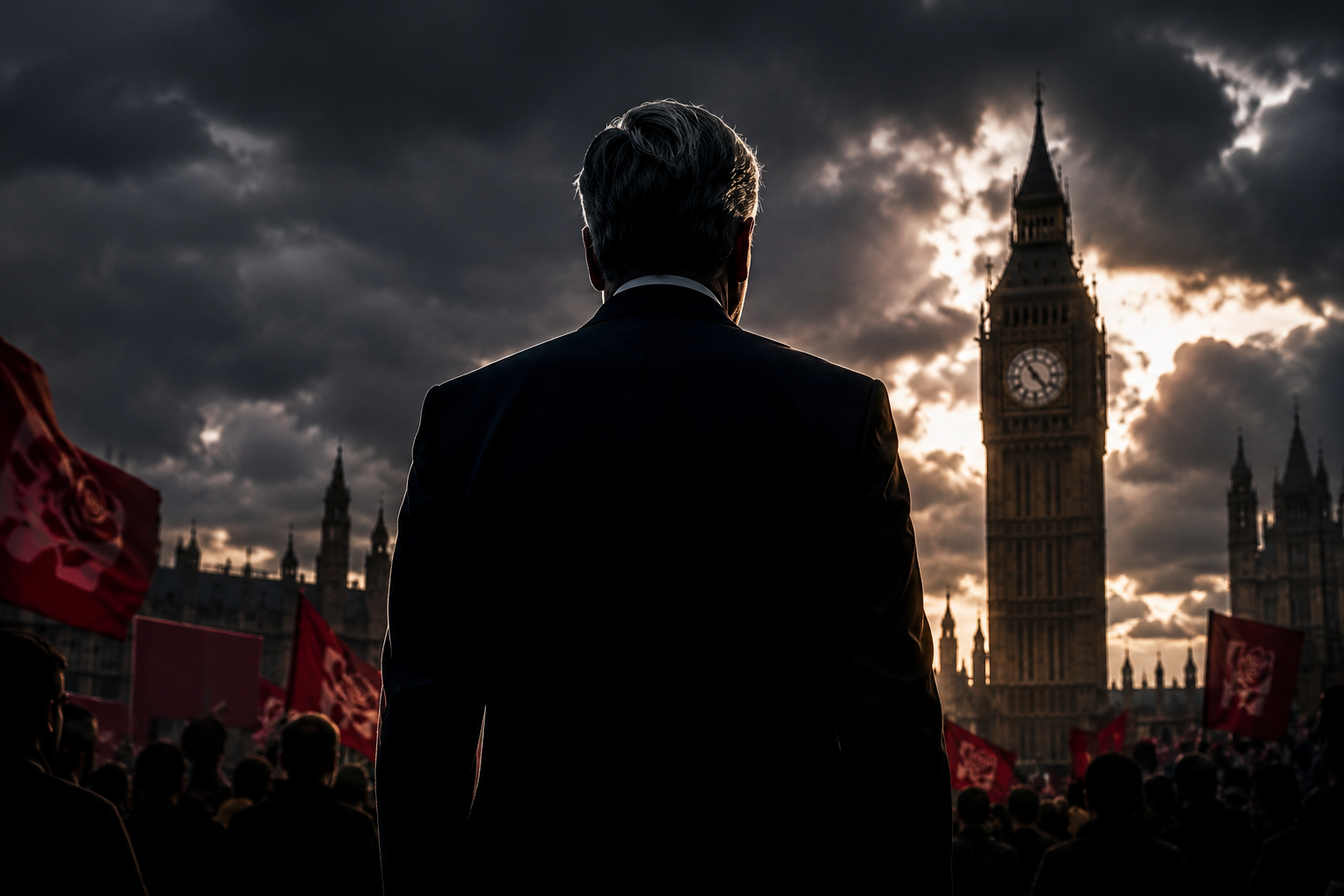
The Labour Crisis That Suddenly Looks Existential
Keir Starmer Under Siege As Furious Labour MPs Demand Change
The Prime Minister Is Refusing To Walk Away — But The Political Damage Inside Labour Is Now Becoming Impossible To Ignore
Keir Starmer is refusing to quit.
That single fact now sits at the centre of one of the most volatile moments Labour has faced since returning to power. After devastating local election losses across parts of England and Wales, mounting internal anger is no longer hiding behind private briefings or quiet frustration. MPs are speaking openly. Senior figures are circling. Activists are panicking. Reform UK is accelerating. And Labour suddenly looks like a governing party trapped between fear, exhaustion and internal distrust.
Starmer’s message has been blunt: he is staying.
The problem for Labour is that the political atmosphere around him is becoming harder to control by the hour.
The deeper danger is not simply the election losses themselves. Governments lose midterm elections all the time. The real threat is psychological. Labour MPs are beginning to fear that the public mood has shifted faster than the leadership understands. That fear changes everything.
The election results delivered brutal symbolic damage. Labour lost control of councils in areas that once formed part of its emotional and electoral backbone. Reform UK surged through working-class areas that Labour historically treated as politically secure territory. In some places, the collapse looked less like a temporary protest and more like a structural warning.
That is why the reaction inside Labour has become so dangerous.
The Moment The Fear Inside Labour Became Visible
What makes this crisis politically explosive is that the revolt is no longer coming exclusively from ideological outsiders or long-term critics.
MPs are now openly questioning whether Starmer can survive long enough to lead Labour into another general election. Some figures have publicly argued that the party needs a different direction entirely.
The pressure is building because the election map exposed something Labour desperately wanted to avoid: a growing disconnect between the party leadership and parts of the electorate that once viewed Labour as culturally familiar and politically instinctive.
Reform UK’s rise has transformed the emotional texture of British politics. Nigel Farage’s party is no longer being treated merely as a protest movement operating on the fringes. In many Labour circles, there is growing fear that Reform has become a direct working-class threat capable of permanently reshaping electoral coalitions.
That changes how Labour MPs calculate risk.
When political fear becomes personal, loyalty weakens quickly.
Many MPs are now looking at their constituencies and wondering whether the collapse they witnessed locally could eventually hit Westminster seats too.
That is when leadership questions stop being theoretical.
For more on the wider fragmentation reshaping British politics, see Reform UK’s expanding influence.
Why Starmer's Refusal To Quit Could Make The Crisis Worse
Starmer’s allies believe resignation would trigger chaos.
Their argument is straightforward: Labour still holds power nationally, leadership instability would look catastrophic, and replacing a prime minister this early could destroy any remaining sense of authority. Senior cabinet figures have already rallied publicly behind him while warning against panic-driven decisions.
But the opposite argument inside Labour is becoming increasingly aggressive.
Critics believe Starmer’s refusal to step aside risks trapping the party in slow political decline. Some MPs fear Labour has lost emotional connection with voters while becoming too managerial, too cautious and too disconnected from the frustrations driving anti-establishment politics.
That criticism has intensified because the losses came despite Labour already being in government. These were not opposition losses blamed on inherited failure. They happened on Starmer’s watch.
And politics rarely forgives governing parties that begin to look psychologically defeated.
The deeper issue is momentum.
Governments can survive bad elections. What destroys them is the public perception that decline has become irreversible.
That perception is now beginning to surround Labour.
The Reform UK surge has changed the entire political calculation.
The most important political story underneath the election results may not be Labour’s losses alone. It may be the speed at which Reform UK has embedded itself into the national conversation.
Farage’s success matters because it creates pressure from a direction Labour struggles to neutralise. Reform is targeting immigration frustration, institutional distrust, economic anger and anti-establishment resentment all at once. In several areas, Labour looked unable to contain that energy.
This creates a terrifying strategic problem for Labour.
Move further right and the party risks alienating progressive voters, younger voters and urban support. Move further left and Labour risks losing even more working-class voters to Reform.
That political squeeze is exactly why internal panic is growing.
The election results also exposed the broader collapse of Britain’s old two-party structure. Greens gained ground. Regional parties remained resilient. Reform surged. Traditional voting loyalties continued breaking apart.
Labour’s leadership crisis is happening inside a political environment that has become dramatically less stable than the one Starmer originally inherited.
For more on the deeper political fragmentation that is reshaping the UK, see the following sections. Breakdown of Britain’s emerging multi-front political war.
The Question Labour MPs Are Quietly Asking
The most dangerous political conversations rarely happen publicly at first.
They happen in WhatsApp groups. Constituency meetings. Quiet dinners. Corridor conversations. Private polling discussions.
The question now circulating around Labour is brutally simple:
Can Starmer still win another general election?
Once enough MPs begin asking that question internally, leadership pressure can escalate very quickly.
There is currently no confirmed full-scale leadership coup underway. But the atmosphere inside the party is clearly deteriorating. The combination of local election humiliation, Reform’s rise and worsening political anxiety has created conditions where every future mistake will now feel amplified.
That matters because political authority is partly psychological.
Once colleagues begin imagining a future beyond a leader, the erosion often accelerates faster than expected.
The Bigger Problem Hiding Beneath The Election Results
The real crisis may not be Keir Starmer himself.
It may be that Labour still has not fully understood what kind of political era Britain has entered.
Voters increasingly behave less like stable tribal blocs and more like volatile emotional coalitions. Loyalty collapses quickly. Anger moves rapidly. Parties can rise suddenly and collapse suddenly. Traditional assumptions no longer hold the same protective power they once did.
That volatility explains why Labour’s internal panic feels so intense.
Because many inside the party understand this truth:
If Reform UK’s momentum continues, and if Labour cannot emotionally reconnect with parts of its former base, this may not look like a temporary setback in hindsight.
It may look like the moment British politics fundamentally changed.
And Keir Starmer’s refusal to quit may become either the decision that stabilised Labour or the moment the crisis became impossible to stop.
