

Prince Andrew Photo Scandal Reignites: Viral Epstein Images Drag the Royal Crisis Back Into the Spotlight
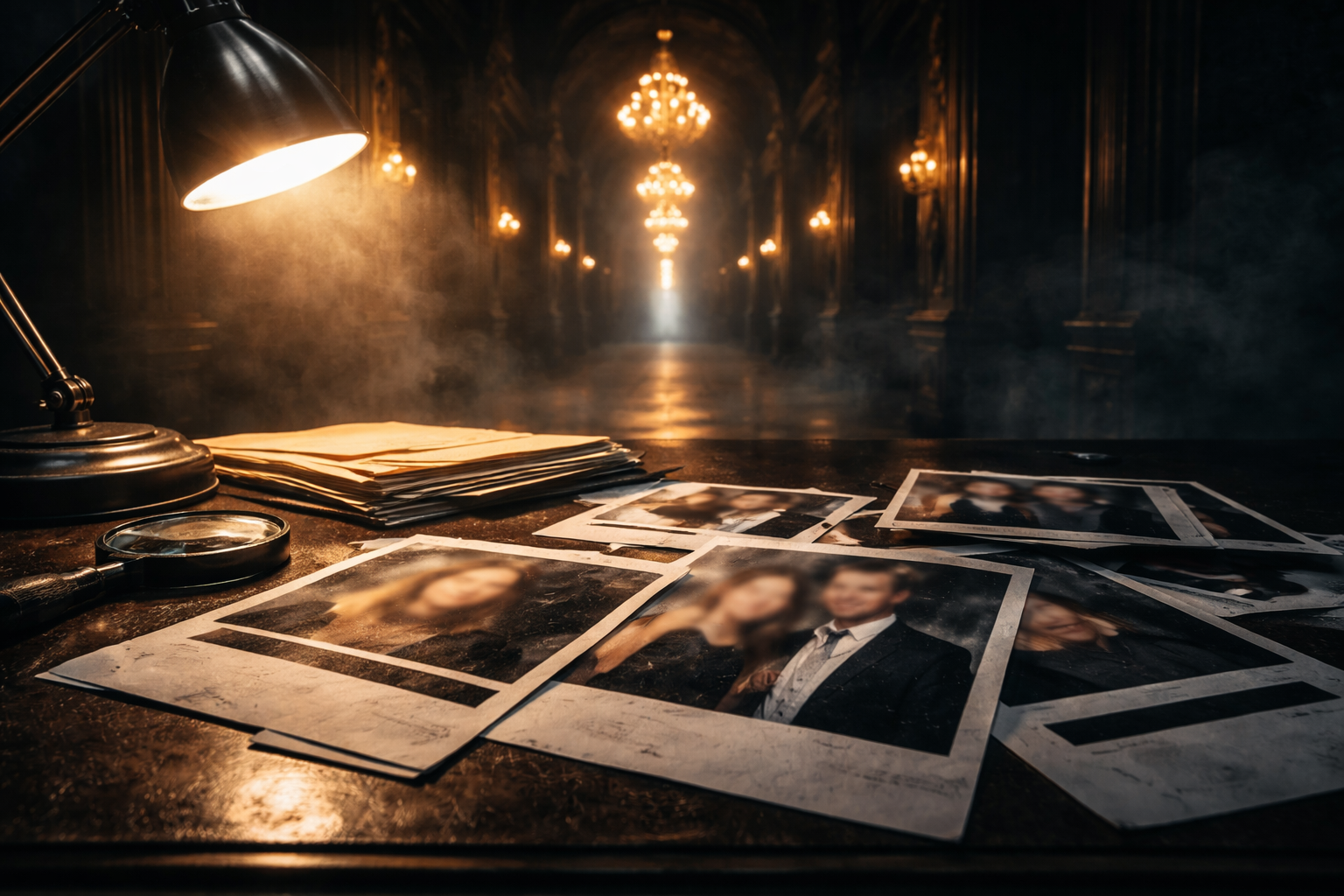
Epstein Files Drop New Prince Andrew Images — And the Fallout Is Growing
The Prince Andrew Scandal Explodes Again as Epstein Photos Go Viral
A new set of photographs tied to the Jeffrey Epstein files is pushing the Prince Andrew scandal back into global headlines. As of March 2026, images circulating online appear to show a man resembling Andrew Mountbatten-Windsor with young women inside Jeffrey Epstein’s New York residence, intensifying scrutiny around the long-running controversy.
The images are part of a massive document release linked to investigations into Epstein’s network. Faces in the photos have reportedly been redacted to protect potential victims, but the images quickly went viral and revived debate over Andrew’s relationship with the disgraced financier.
The resurfacing comes at an already volatile moment. Only weeks earlier, Andrew—who lost his royal titles in 2025—was arrested on suspicion of misconduct in public office connected to his dealings with Epstein while serving as a UK trade envoy. He was later released under investigation.
What looks like another round of embarrassing photos is actually something bigger: a new phase in the legal and reputational fallout of the Epstein case.
The story turns on whether the emerging evidence moves the scandal from historical controversy into active legal jeopardy.
Key Points
Newly released Epstein-related files include photos appearing to show Andrew Mountbatten-Windsor with young women at Epstein’s New York home.
The images have gone viral online and reignited debate about Andrew’s relationship with Epstein.
Andrew was arrested in February 2026 on suspicion of misconduct in public office linked to his role as UK trade envoy.
Police investigations are reviewing documents, emails, and travel records tied to Epstein’s network.
Andrew denies wrongdoing and has not been charged, but the case continues to cast a shadow over the British royal family.
Where This Story Really Begins
The scandal around Andrew’s association with Epstein has been unfolding for more than a decade.
Jeffrey Epstein, the American financier who died in jail in 2019 while awaiting trial on sex-trafficking charges, maintained relationships with politicians, billionaires, and prominent public figures. Andrew was among the most famous.
The connection first exploded into global controversy after a widely circulated photograph appeared to show Andrew with Virginia Giuffre, one of Epstein’s accusers, alongside Epstein associate Ghislaine Maxwell. Andrew has long questioned the authenticity of that image, though later communications from Maxwell appeared to confirm a photograph had been taken.
Public pressure intensified following Andrew’s 2019 BBC interview about Epstein, which triggered widespread criticism and led him to step back from royal duties.
But the fallout did not end there.
In 2025, the British monarchy moved decisively to distance itself from the scandal. Andrew lost his titles, including “Prince” and “Duke of York,” and has since been publicly known simply as Andrew Mountbatten-Windsor.
The Latest Photo Controversy
The newly circulated images come from a broader release of Epstein-related files by U.S. authorities.
Among tens of thousands of documents and photos are several images appearing to show a man resembling Andrew sitting with young women at Epstein’s Manhattan residence. In one picture, a woman is seated on his lap; in another, a woman stands behind him with her arms around his shoulders.
Authorities redacted the women’s faces, a common practice intended to protect potential victims.
Even though the authenticity and context of the images remain under scrutiny, the pictures quickly spread across social media and news platforms. Their viral circulation has reignited a scandal many within the royal household had hoped would fade.
The timing is particularly explosive because the photographs surfaced during a broader investigation into Epstein-linked networks and communications.
The Legal Pressure Building Around Andrew
The renewed attention is not happening in isolation.
In February 2026, Andrew was arrested by Thames Valley Police on suspicion of misconduct in public office. The allegations center on whether he improperly shared confidential information with Epstein while serving as the UK’s trade envoy for international investment.
The suspected offence carries serious implications because it involves potential misuse of an official position of trust.
Police searches of properties connected to Andrew followed the arrest, and investigators are reviewing documents, emails, and travel records connected to Epstein’s network.
Andrew was released without charge after questioning and remains under investigation.
For now, the legal process continues behind the scenes.
Why the Royal Family Cannot Escape This Story
From the monarchy’s perspective, the Andrew saga is less about individual scandal and more about institutional legitimacy.
The British royal family has already attempted to isolate the problem. Removing Andrew’s titles, excluding him from official events, and distancing the monarchy from his activities were meant to draw a line between the institution and the controversy.
Yet each new development—documents, witness statements, or viral photographs—pulls the story back into public attention.
That creates a communications challenge for Buckingham Palace. Even when Andrew is no longer an active royal, his history as a senior member of the family means the scandal inevitably reflects on the monarchy itself.
What Most Coverage Misses
Much reporting treats each new photo or document as a standalone scandal. The deeper story is structural.
The Epstein investigation has shifted from a reputational issue to a document-driven legal process. The recent releases involve huge volumes of emails, photos, and travel logs that investigators and journalists are still analyzing.
That means new revelations may not be the result of fresh incidents but of old material emerging in waves as files are declassified or reviewed.
This dynamic explains why the Andrew scandal repeatedly returns to the headlines years after the events themselves.
The scandal persists not because new actions keep happening, but because the evidence archive is enormous and still being unpacked.
What Happens Next
Several parallel developments will determine where the story goes from here.
First, investigators must decide whether the evidence tied to the Epstein files supports criminal charges related to misconduct in public office. Andrew denies wrongdoing and has not been charged.
Second, the release of additional Epstein documents could bring new allegations or corroborating evidence into the public domain.
Third, the monarchy faces the longer-term question of whether the Andrew saga can ever fully detach from the royal institution in the public mind.
For now, the scandal sits at an uncomfortable crossroads between historical controversy and ongoing investigation.
The next turning point will come not from another viral photograph but from a legal decision—whether prosecutors believe the evidence justifies moving the case into court.
