Will a Tariff Cut Actually Reach the Checkout?
Import tariffs on more than 100 products, including baked beans, chocolate, garlic, jams, cough sweets, heating oil and farm fertilisers, have been suspended from today, Thursday 26 November 2026. HM Treasury confirmed the change in a press release this morning, saying it could cut consumer costs by up to £185 million a year, with lower-income households expected to benefit most.
The measure was first announced by the Chancellor, John Healey, at last month's Budget. It is the second package of its kind this year: a June round removed tariffs on products including pasta, fruit juice and tuna. The Treasury says the two packages together could reduce consumer costs by up to £595 million a year.
For shoppers, the important word is "up to". A tariff is a tax paid when goods are imported, not a price set at the till. Removing it lowers the cost for importers, but how much of that saving reaches shelf prices, and how quickly, depends on suppliers and retailers passing it on. The government's figure is an estimate of the potential saving, not a guaranteed cut on any single product.
Which Products Are Affected
The Treasury has not listed every one of the 100-plus products in its announcement, but it named these examples alongside the tariff that previously applied:
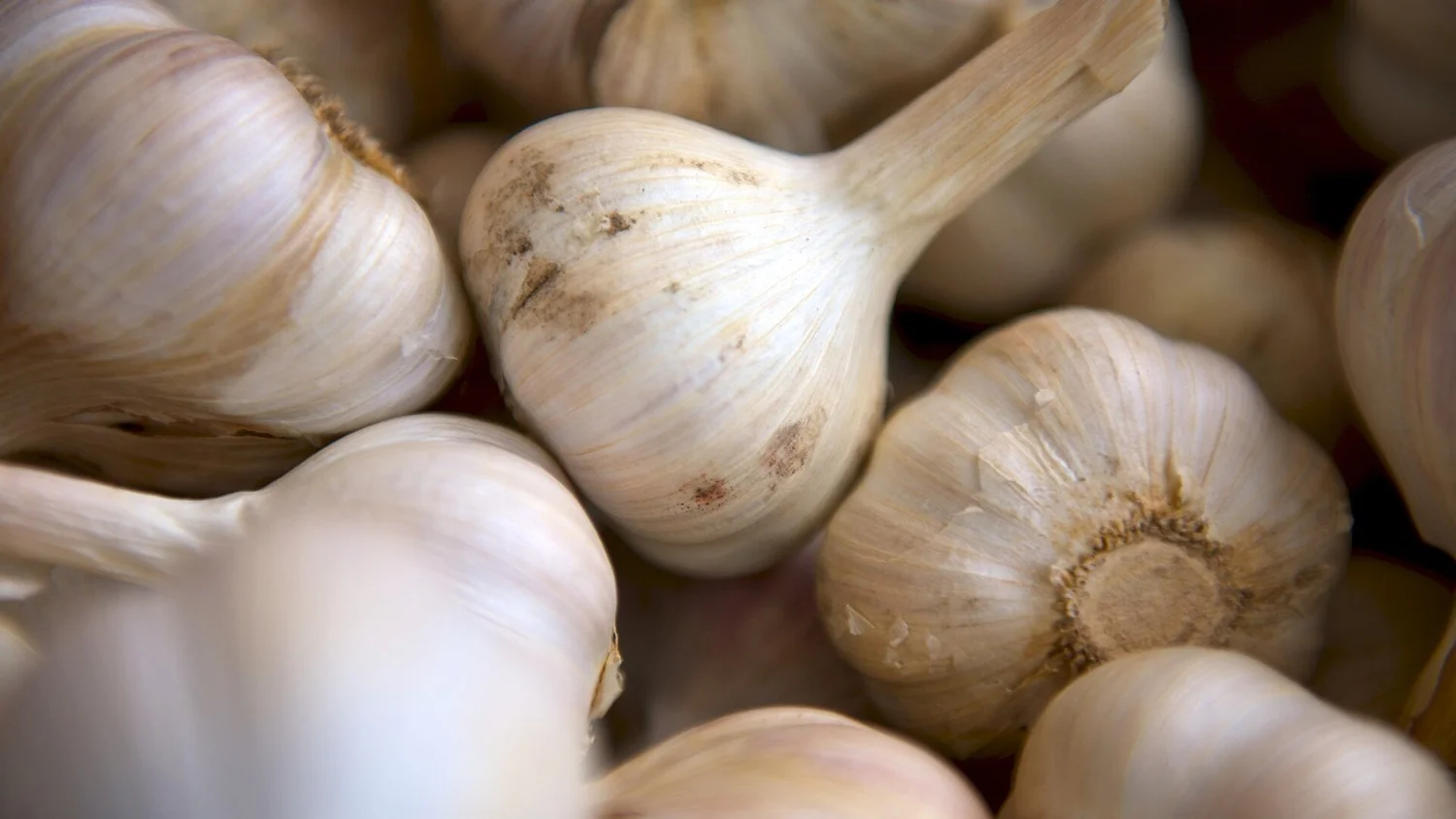
- Garlic: 8% plus £100 per 100 kg
- Citrus jams, marmalades and pastes: 20% plus £19 per 100 kg
- Throat pastilles and cough drops: 8%
- Boiled sweets, filled or unfilled: 8%
- Toffees, caramels and similar sweets: 8%
- Plant-based drinks (soya, nut, cereal or seed): 8%
- Chocolate-coated waffles and wafers: 8%
- Kerosene (heating oil): 4%
- Fertilisers: between 2% and 6.5%
Baked beans and chocolate were also named in the release, without their previous rates. Some of the older tariffs combine a percentage of the goods' value with a fixed charge by weight. That is why garlic and citrus preserves carried relatively heavy duties: the fixed element adds a set amount to every 100 kg imported, whatever the price.
How Long the Suspensions Last
The suspensions run until December 2028. Tariffs on fertilisers are suspended for a shorter period, until December 2027.
A suspension is temporary by design. It removes the duty for a set period without permanently changing the UK's tariff schedule, which gives the government the option to review or reinstate the charge later.
Who Could Benefit Beyond the Weekly Shop
Two of the changes are aimed less at supermarket aisles than at costs further up the chain or outside the kitchen.
Heating oil. Kerosene is the main fuel for households that are not connected to the gas grid and heat their homes with an oil-fired boiler, a situation more common in rural areas. The Treasury says the tariff change will support households and businesses that rely on heating oil, though it has not published an estimate of the saving per household.
Fertilisers. Cutting tariffs on fertilisers is intended to give farmers greater security of supply and potential cost reductions, according to the Treasury. Fertiliser is one of the biggest input costs in arable farming, so any effect on food prices from this change would arrive indirectly and over a longer period.
What the Chancellor Said
John Healey said families were "still feeling the impact of global conflicts on the weekly shop". He added: "We can't control what happens around the world, but we will help where we can."
The Treasury presented the move as part of a wider set of cost-of-living measures from the Budget. In its own description, these include keeping fuel duty down, £100 towards energy bills for 20 million households, scrapping electricity standing charges and the £2 cap on bus fares.
What We Still Do Not Know
- The complete list of products covered. The press release names examples; the full schedule of suspended tariff lines was not set out in the announcement.
- How the Treasury calculated the £185 million estimate, and how much of it it expects to reach shoppers through lower prices rather than importers' margins.
- Whether supermarkets will commit to passing the saving on to named products.
- How much a typical household that heats with oil could save from the kerosene change.
Taylor Tailored will update this article if the government publishes the full product list or further detail on the expected savings.
