Wes Streeting’s Prisoner Joke Exposes the Arrogance Behind Labour’s Early-Release Policy
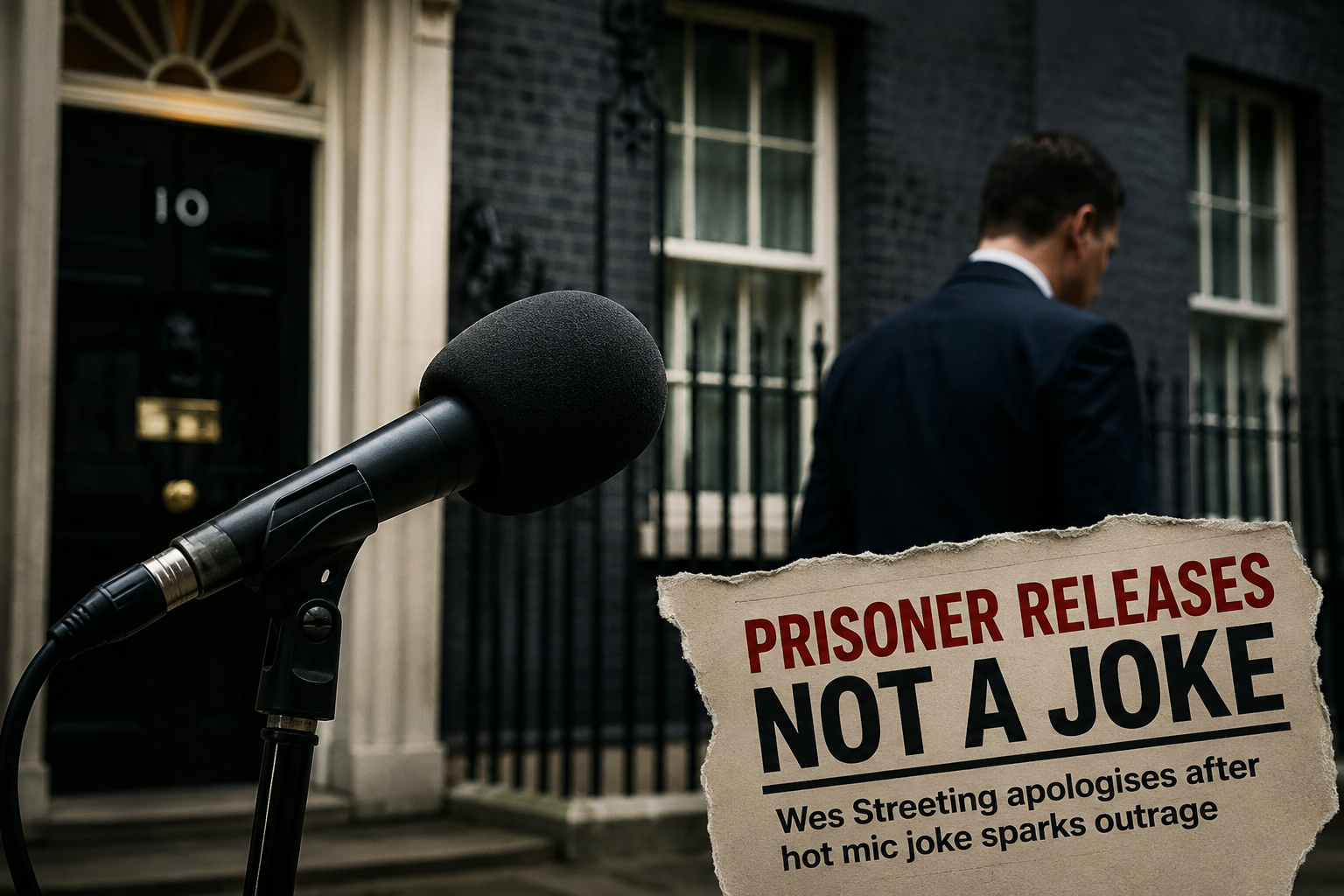
Wes Streeting’s Hot-Mic Blunder Sparks Fury Over Prisoner Release Plans
Wes Streeting’s Prisoner-Release Joke Sparks Anger and Questions Over His Judgement
Wes Streeting has apologised after a microphone captured him joking that Britain’s new Justice Secretary “wants to let them all out”. It was a brief exchange, but one that risks reinforcing the belief that senior Labour figures treat public concerns about crime, sentencing and prisoner releases with contempt.
The new Defence Secretary made the comment during a conversation with Home Secretary Shabana Mahmood and Justice Secretary Alex Norris following a gathering of Andy Burnham’s new Cabinet. Streeting called Norris “the enemy now” before telling Mahmood: “He wants to let them all out.”
What Streeting Said
Streeting later claimed that the remark was a reference to an old joke involving former prime minister Theresa May and former justice secretary Kenneth Clarke. May had once contrasted their approaches by joking that she locked offenders up while Clarke let them out.
Streeting said there had been “no ill intent” behind his teasing of Norris, but acknowledged that prisoner releases were an extremely serious subject and apologised for any offence caused. Mahmood also defended the exchange as harmless “ribbing” while accepting that it could be mistaken for a lack of seriousness.
That explanation does little to improve the political judgement involved. Streeting was not an obscure backbencher speaking privately in a distant corridor. He is a senior Cabinet minister who was standing in Downing Street while a highly contentious sentencing policy was causing distress among victims and their families.
Why the Timing Was So Damaging
The comment emerged as the government faced intense pressure over plans that could allow approximately 6,000 prisoners to be released earlier than expected when new sentencing arrangements take effect in September. Critics fear the rules could benefit offenders convicted of serious crimes unless further exclusions are introduced.
The controversy has become particularly sensitive because Jessie Cole and Albert Bowers, who were convicted of manslaughter over the death of PC Andrew Harper, might become eligible for release after serving half of their sentences. Harper’s mother has described the possibility as an insult to her son’s memory.
Against that background, laughter about a justice secretary wanting to “let them all out” was spectacularly ill-judged. Even when a joke is borrowed from an earlier political exchange, its meaning changes according to the circumstances in which it is used.
For families waiting to discover whether offenders will leave prison earlier than anticipated, the subject is not amusing Westminster banter. It concerns personal safety, justice and whether sentences announced in court still mean what the public reasonably believed they meant.
The Possible Repercussions
Streeting is unlikely to lose his Cabinet position over one recorded joke. He apologised quickly, and Prime Minister Andy Burnham has indicated that the apologies have been accepted. Burnham nevertheless described joking about the issue as unacceptable, creating an embarrassing public reprimand during the opening days of his government.
The more lasting consequence may be reputational. Streeting has cultivated an image as an ambitious, confident and media-capable politician. This episode instead presents him as glib, politically careless and detached from the people affected by government decisions.
It also gives opposition parties a potent line of attack. Kemi Badenoch has accused the government of joking about releasing criminals while Conservatives listen to victims. Whether or not that claim fairly describes the wider administration, Streeting handed Labour’s opponents the footage required to make it credible.
A Joke That Could Change the Policy Debate
The incident may also accelerate changes to the release scheme itself. Burnham has now confirmed that the policy will be reviewed, while expressing sympathy for PC Harper’s family and stating that the main perpetrator in his killing will not qualify for early release.
Streeting’s defenders will argue that this was nothing more than a private joke stripped of context. Politically, that defence misses the point. Hot microphones do not manufacture attitudes; they expose the language powerful people use when they believe the public is not listening.
The greatest repercussion may therefore be the impression left behind: while victims worry about offenders returning to the streets, one of Britain’s most senior ministers appeared relaxed enough to turn the crisis into a punchline. Streeting’s apology may end the immediate row, but it will not erase the recording—or the damaging sense of ministerial arrogance it captured.
