

Why The UN Just Stepped Into Northern Ireland’s Latest Crisis
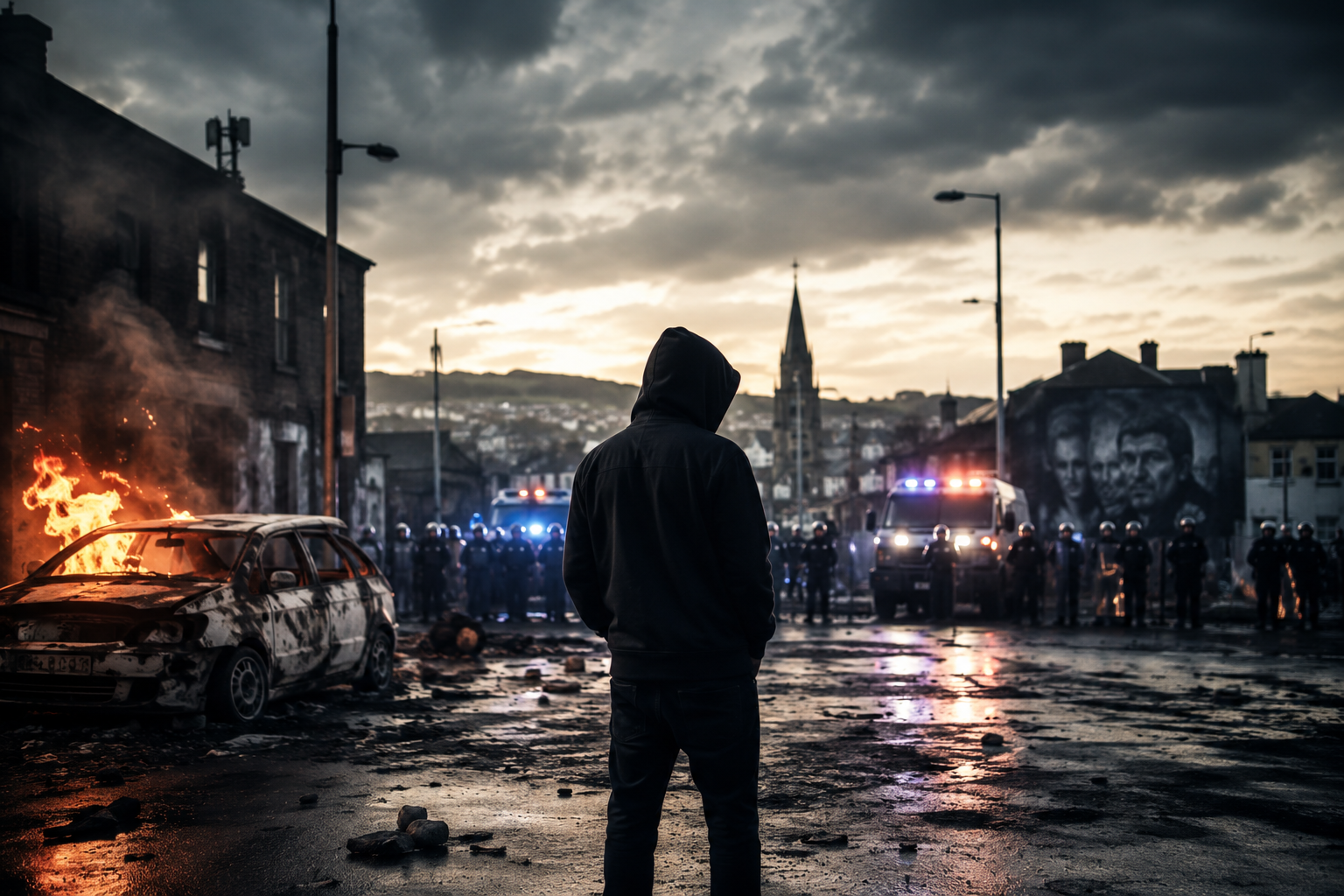
The Belfast Disorder That Escalated Into An International Warning
How A Belfast Stabbing Triggered A Global Human Rights Response
Northern Ireland has found itself at the centre of international attention after several days of serious disorder following a violent stabbing attack in Belfast. What began as public anger over a brutal incident quickly evolved into wider unrest, with riots, property damage, attacks on homes and clashes with police becoming the dominant images seen across the world.
The known timeline shows that a Sudanese man was charged with attempted murder following the stabbing of Belfast resident Stephen Ogilvie. In the days that followed, demonstrations escalated into violence in multiple locations, forcing police to deploy extensive public-order measures including water cannon and baton rounds.
What transformed the story from a domestic security issue into an international one was not simply the scale of the disorder. It was the growing concern that ethnic minorities and foreign residents were becoming direct targets of retaliatory violence. Homes, vehicles and businesses were damaged, and entire communities found themselves living in fear.
Why The United Nations Intervened
The United Nations does not comment on every outbreak of public disorder. Its intervention matters because it signals that the issue has moved beyond questions of policing and public order into the territory of human rights and minority protection.
UN Human Rights Chief Volker Türk said he was appalled by the violence and warned against the instrumentalisation of tragic events to fuel hatred and division. The statement specifically referenced attacks on minorities and foreign residents.
That shift in language is significant. Once international organisations begin framing an event through the lens of rights, discrimination and community safety, the conversation changes. The focus is no longer solely on who committed the original crime. It becomes a broader debate about how society responds to it.
For Northern Ireland, a region with a long and painful history of communal conflict, that distinction carries particular weight.
The Bigger Question Behind The Anger
It would be easy to view the unrest as a straightforward reaction to a horrific crime. The reality appears more complicated.
The stabbing acted as a trigger, but the speed with which disorder spread suggests deeper frustrations were already present. Immigration, asylum policy, community identity, housing pressures and trust in political institutions have all become increasingly contentious subjects across the United Kingdom.
Many residents have argued that legitimate concerns about immigration are not being heard by political leaders. Others point out that targeting innocent people because of their nationality or ethnicity is both morally wrong and strategically self-defeating. The tension between those two positions now sits at the heart of the debate.
That tension is unlikely to disappear once the immediate disorder fades from the headlines.
A Familiar Pattern Emerging Across The West
One reason this story attracted international attention so quickly is because it resembles a pattern increasingly visible across Western democracies.
A shocking criminal incident occurs. Information spreads rapidly online. Public anger intensifies. Political arguments become amplified. Demonstrations emerge. Extremists attempt to exploit the situation. Violence follows.
Whether the underlying issue is immigration, policing, terrorism, identity politics or social cohesion, the pattern often follows a remarkably similar trajectory. Officials have already highlighted concerns about the role of online content in accelerating tensions surrounding the Belfast unrest.
The result is that local incidents increasingly become national and even international flashpoints within hours.
What Happens Next
Police investigations into both the stabbing and the subsequent disorder remain ongoing. Additional arrests are expected as authorities continue reviewing footage and evidence gathered during the disturbances.
At the same time, large anti-racism demonstrations have taken place in Belfast and elsewhere, with thousands turning out to reject the violence and support affected communities. Those events suggest that while the disorder dominated headlines, it does not necessarily represent the views of the wider population.
The immediate challenge for authorities is restoring public confidence and preventing further violence. The longer-term challenge is far harder. It involves addressing public concerns around immigration, integration, community cohesion and trust without allowing criminal acts to become justification for collective punishment.
The Real Story May Be What Comes After
The most important question is not whether another night of disorder occurs. It is whether Northern Ireland can avoid becoming trapped in a cycle that many other societies are now struggling to escape.
When communities begin to view every crime through the lens of identity, ethnicity or politics, trust starts to erode. When people lose trust, anger becomes easier to mobilise. When anger becomes easier to mobilise, a single event can trigger consequences far beyond the original incident.
That is why the UN intervention matters. It is not simply a reaction to what happened in Belfast. It is a warning about what could happen next if deeper tensions continue to grow beneath the surface.
