Steps Ending Explained: How Lilith Fixes Cinderella's Story and Why the Gate Matters
Spoiler warning: this explainer covers the whole plot of Netflix's Steps, including the ending.
Every version of Cinderella needs its villains, and for more than three centuries the stepsisters have been the easiest people in the story to hate. Netflix's animated film Steps asks what that role has cost them. Its heroine is not Cinderella but Lilith, the older stepsister, a funny, prickly outsider who has been cast as the wicked one so often that she has started to believe it.
The film arrived on Netflix on 20 November 2026, leading the platform's new releases that week. Its ending surprises many viewers. After a whole adventure built around reaching the royal ball before midnight, Cinderella makes a different choice: she goes further back, to a small moment from her childhood. This explainer sets out what happens, how the time-travel rules work and why the final scene is really about a gate rather than a glass slipper.
What Is Steps About?
Steps is directed by Alyce Tzue, director of the animated short Soar, and John Ripa, a co-director of Disney's Raya and the Last Dragon. It retells Cinderella from the stepsisters' point of view. Lilith and her younger sister Margot are newcomers to the village of Alouette, a pretty, rigid little kingdom that treats anyone different with suspicion. The film makes the sisters East Asian, and much of the story turns on how a narrow community decides who belongs.
The voice cast
- Lilith – Ali Wong
- Margot – Stephanie Hsu
- Cinderella – Amanda Seyfried
- Priscilla – Nikki Glaser
- The Fairy Godmother – Bette Midler
The title works as a pun on stepsisters and on the steps a person takes to change the story they have been given.
How Lilith Becomes the "Evil Stepsister"
The film begins with something close to a happy family. Lilith and Margot arrive in Alouette with their mother, a dressmaker who has fallen in love with Cinderella's widowed father, Edmund. Cinderella welcomes her new sisters warmly, and for a while the three girls are inseparable.
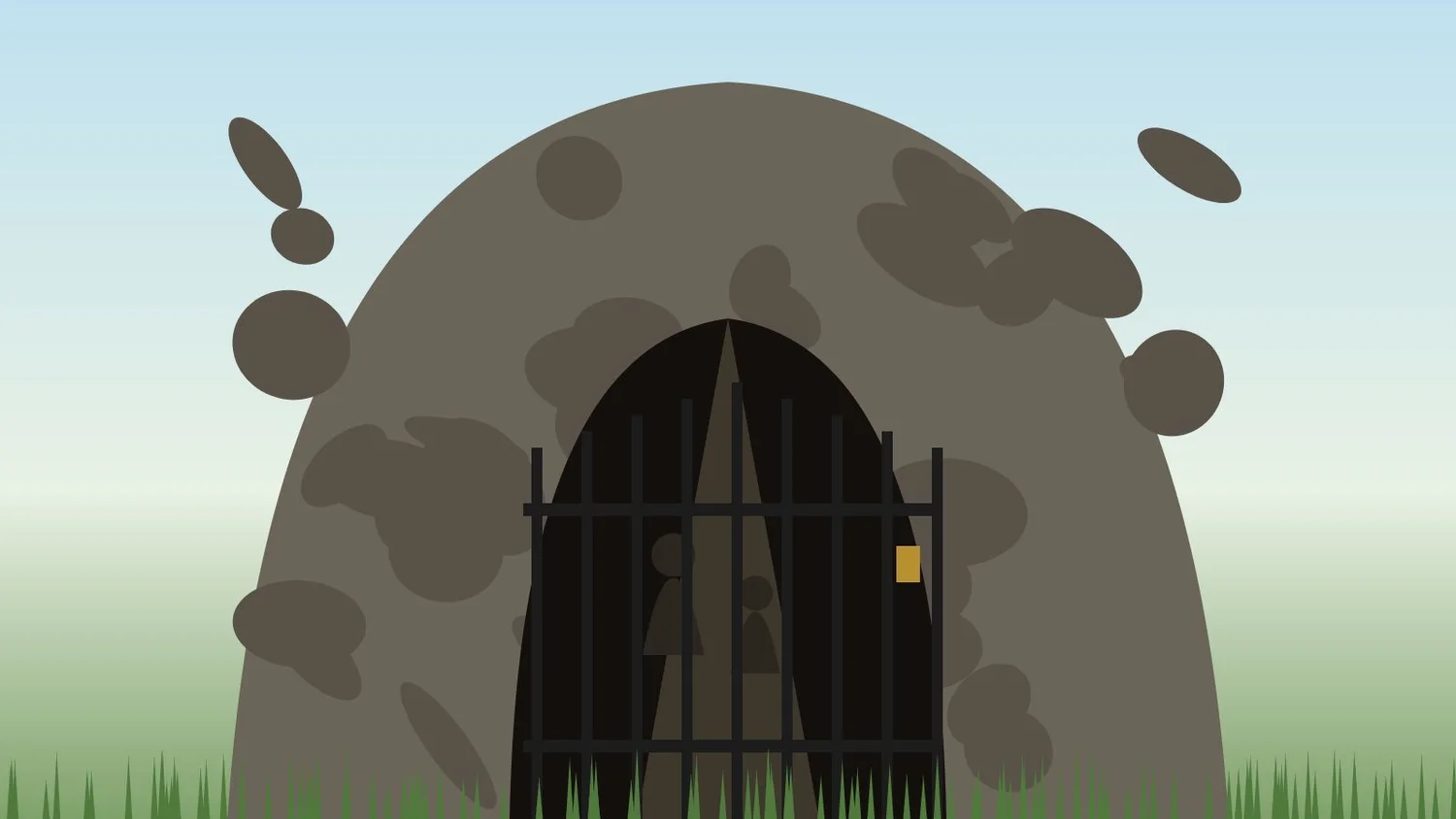
Then Cinderella introduces them to Priscilla, the most popular girl in the kingdom. At a royal gathering Lilith tells a story about a snake lady imprisoned in a cave and suggests they go and rescue her. Priscilla turns the game into a trap. She coaxes Lilith and Margot into the cave and locks them inside.
The cruellest detail is not Priscilla's prank but Cinderella's silence. She sees what happens and walks away to keep her place among the popular children. Lilith has been waiting for her sister to open the gate. She never does.
Everything that follows grows from that moment. After Edmund dies, Lilith leans into the outsider label Alouette has already given her. She changes how she looks, sharpens her tongue and stops trying to be liked. In other words, she becomes the stepsister of the fairy tale because the village has given her no other part to play.
The Ball, the Wand and Margot the Frog
The familiar story starts on cue. An invitation to the royal ball arrives for Cinderella, but not for Lilith and Margot, and Priscilla's friends make sure Lilith knows it. When Lilith tries on a dress that belonged to Cinderella's late mother, it tears, and Cinderella runs off in tears.
The Fairy Godmother arrives to prepare Cinderella for the ball and promptly labels Lilith an evil stepsister. Stung, Lilith steals the wand and conjures invitations for herself and Margot. It is the film's first real step into villainy, and it comes from a wish to be included rather than a wish to hurt anyone.
What goes wrong at the ball
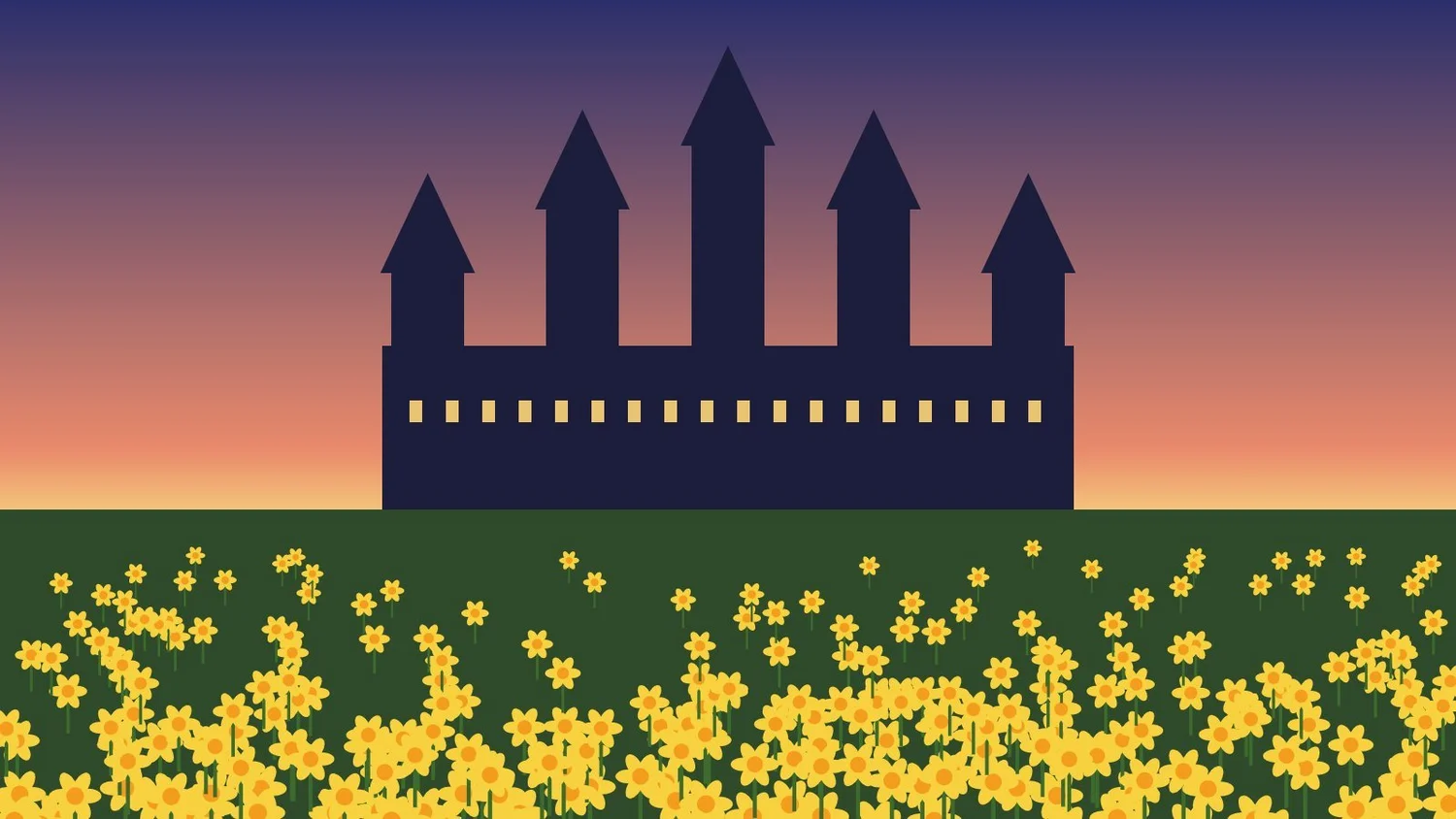
At the palace the prince initially gravitates towards Priscilla, then falls for Cinderella when they discover a shared love of daffodils. Lilith tries to interfere with the wand, Margot grabs at it, and the spell goes astray. Priscilla lunges for the wand in the chaos, and Margot is turned into a frog.
Priscilla now has the wand. She disguises Cinderella so the prince will not know her, and the sisters flee with Priscilla's bodyguard, Roderick, in pursuit. One glass slipper is left behind.
The film adds a clever wrinkle to the slipper test. The prince has face blindness and cannot recognise Cinderella by sight, so the slipper really is his only clue. Priscilla uses the wand to make it fit her foot and simply takes Cinderella's place.
The Time-Travel Rule: Why the Second Slipper Matters
The Fairy Godmother explains the film's central idea. Fairy godmothers do not just grant wishes; they write fairy tales and make them come true. With the wand stolen and the wrong woman engaged to the prince, Cinderella's story has broken. If it is not repaired, Margot could stay a frog for ever.
There is one way back. Cinderella still has the second glass slipper, and it can carry its wearer back in time to repair the story, provided it is used before midnight. That gives the rest of the film its ticking clock: Lilith and Cinderella must reach the palace, reclaim the wand and use the slipper in time.
Gef, the Screaming Woods and an Unlikely Team
On the run from Roderick, the girls cross the Screaming Woods and meet Gef, a loner who has built a monster to scare visitors away. He gives them a map and, more importantly, gives Lilith someone who likes her exactly as she is. Gef later takes the slipper because he wants a reason to see Lilith again, a small betrayal that ends with Lilith inviting him to join them rather than punishing him.
The journey forces Lilith and Cinderella to talk honestly for the first time since the cave. Lilith admits she stole the wand because she wanted to feel she belonged. Cinderella begins to understand how badly her childhood silence hurt her sister.
Priscilla takes the kingdom
Back at the palace Priscilla's disguise starts to fail. She reacts badly to daffodils, and the prince grows suspicious and asks to see her feet. Exposed, she drops the act and uses the wand openly. She turns the king and queen into a portrait, places the prince under a spell and takes control of the villagers, including Lilith's own mother.
Priscilla then floods the very cave where Lilith and Margot were once trapped. The film brings Lilith back to the scene of her original humiliation, and this time Cinderella finds a way through the cave wall instead of walking away.
How Does Steps End?
Cinderella, Lilith and Gef reach the palace just before the wedding. Roderick captures Gef, but Cinderella wrestles the wand from Priscilla. The prince, unable to recognise her face, recognises her scent and remembers their conversation about daffodils, which breaks Priscilla's spell over him. Lilith brings the remaining slipper before midnight, the magic reverses and the story rewinds.
Cinderella goes back further
Here is the twist. The plan was to return to the night of the ball, before Priscilla stole the wand. Instead, Cinderella chooses to go further back, to the day in her childhood when she stayed silent outside the cave.
This time she does what she failed to do before. She opens the gate and chooses her stepsisters over Priscilla and the popular crowd.
That single act changes everything that follows. According to the film's directors, the whole kingdom changes because of one kind moment between Lilith and Cinderella. In the rewritten timeline Lilith and Margot never become outcasts, and Alouette learns to embrace their heritage. Trolls and other fairy-tale creatures, once barred as dangerous, are welcomed too.
What happens to each character
- Margot is human again once the magic is reversed.
- Lilith repairs her relationship with Cinderella and dances with Gef at the royal ball.
- Cinderella keeps her sisters. Recaps report that she still ends up with the prince, this time without relying on the Fairy Godmother's magic.
- Priscilla is not punished in the new timeline. Several recaps note that the sisters include her rather than shutting her out, and she becomes their friend.
- Alouette becomes a more open kingdom, with room for trolls and for couples the old village would not have accepted.
What the Ending Means
Villains are made, not born
The traditional fairy tale assumes the stepsisters are simply wicked. Steps argues the opposite. Lilith's worst choices come after years of exclusion, and the moment that sets her on that path is not her own cruelty but someone else's silence. The film's fix is not a battle won but an earlier act of kindness.
Why Cinderella, not Lilith, has to change the past
It would have been easy to let Lilith be the hero who saves the day. Instead the decisive choice belongs to Cinderella. The film recognises that the person who stayed silent has to be the one to speak up. Cinderella's redemption is not about getting the prince; it is about taking responsibility for the moment she chose popularity over her sisters.
The slipper as a symbol
In the classic story the slipper proves who Cinderella really is. In Steps it becomes a tool for second chances. The prince's face blindness makes the point neatly. He cannot rely on appearances, so he has to know Cinderella by what she loves and how she treats him. The film's whole moral is that people should be judged by who they are rather than by the role a story assigns them.
Why Priscilla is forgiven
Some viewers find Priscilla's happy ending too generous. But it fits the film's logic. In the new timeline Cinderella's kindness widens the circle instead of swapping one outsider for another. Priscilla's cruelty grew from the same insecure, conformist village that excluded Lilith. Including her stops the cycle rather than restarting it with a new victim.
How Steps Compares With Other Cinderella Retellings
Revisionist fairy tales are a crowded genre. Ever After, Ella Enchanted and Disney's own Maleficent all reframe familiar villains or give the heroine more agency. Gregory Maguire's novel Confessions of an Ugly Stepsister took the stepsisters' side decades ago, and Wicked has done the same for the Wicked Witch of the West.
What makes Steps distinctive is that it refuses to turn Cinderella into the new villain. Many revisionist stories simply flip the roles. This one keeps both sisters sympathetic, treats Cinderella's failure as an ordinary act of childhood cowardice and lets the resolution come through repair rather than revenge. It is a family film about belonging that trusts children to understand that small choices can shape a whole life.
Will There Be a Steps 2?
Netflix has not announced a sequel. The ending closes the central story neatly, with the timeline repaired and the sisters reconciled, so any follow-up would need a new conflict. Netflix usually decides on sequels to its animated films after judging their long-term viewing figures rather than their opening week.
The Verdict
Steps takes the most familiar fairy tale in the world and finds its emotional centre in a moment the original never shows: a girl standing at a gate, deciding whether to help her sisters. The time travel, the wand and the frog are the fun. The point is the gate. By sending Cinderella back to open it, the film argues that the happy ending was never about the ball. It was about being the person who does not walk away.
Sources
- Steps directors explain the ending of the Cinderella adaptation (citing Polygon)
- The Viewer's Perspective: Steps recap and ending explained
- Primetimer: Steps ending explained
- The Review Geek: Steps recap and ending explained
- What's on Netflix: new releases and top 10, 21 November 2026
