Kremlin Raises Trump–Putin–Xi Summit as Ukraine Warns Against Talks Without Kyiv
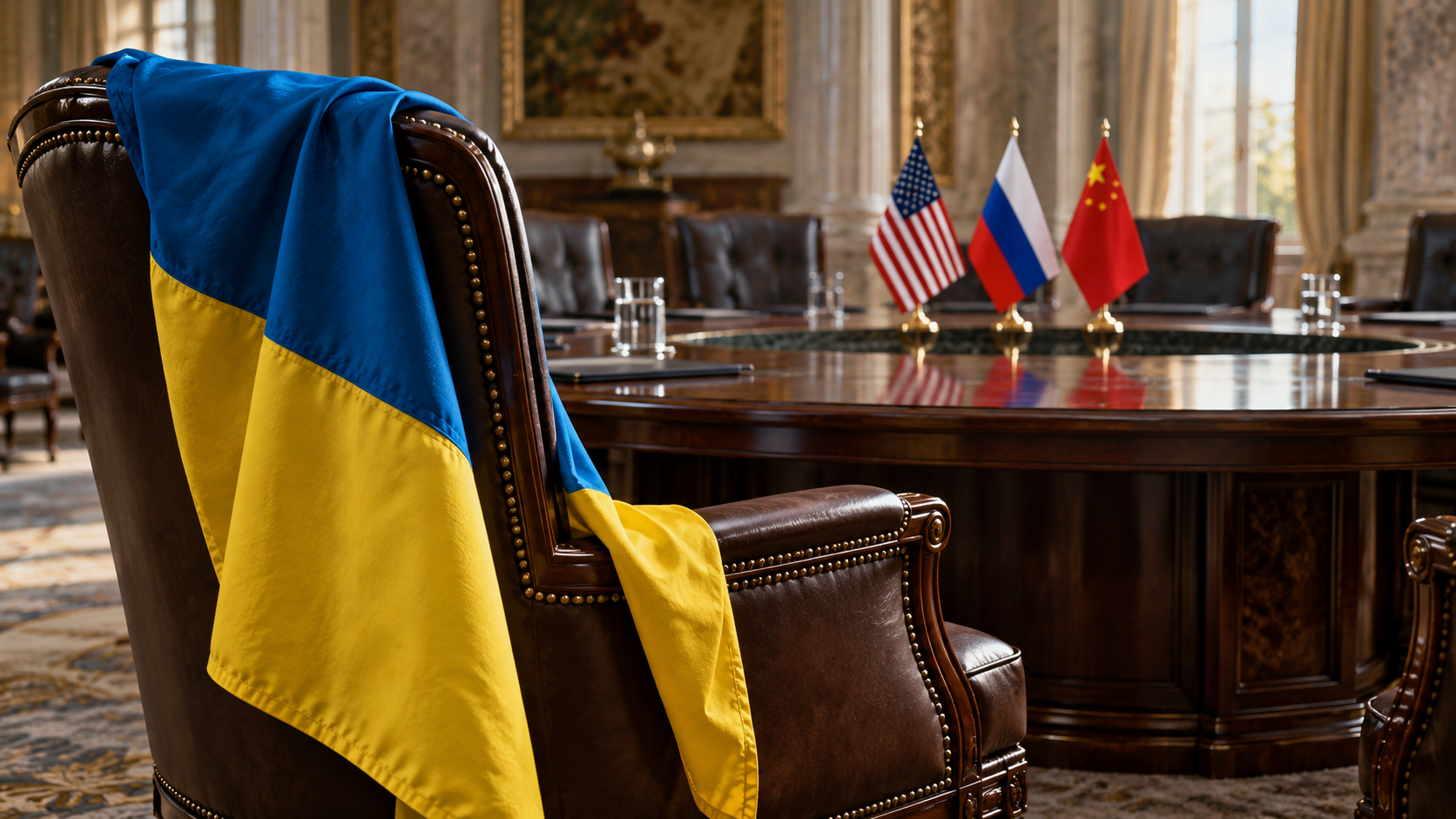
Ukraine Challenges Possible Trump–Putin–Xi Summit in China
Three Presidents and an Unsettled Peace
Moscow says a three-way meeting has been mentioned, while Kyiv argues that replacing Ukraine with China would undermine efforts to end the war.
The Kremlin said on Monday, 19 October, that a possible meeting between Donald Trump, Vladimir Putin and Xi Jinping had been raised ahead of next month’s Asia-Pacific Economic Cooperation summit in China. It also made clear that no specific arrangements or agenda had been agreed.
Ukraine immediately challenged the proposed format. Foreign Minister Andrii Sybiha argued that talks involving Ukraine, America and Russia could help end the war, whereas a meeting that substituted China for Ukraine would encourage Putin to continue it.
The development opens a dispute about representation before negotiations have even been arranged. A gathering of three powerful presidents could draw attention and open diplomatic channels. Its usefulness would depend on what they could secure, and on whether Ukraine had a meaningful role in decisions affecting its future.
What the Kremlin Has Actually Confirmed
Kremlin spokesman Dmitry Peskov described the meeting as hypothetical. His explanation was that the three leaders could potentially attend the summit in China, creating an opportunity for them to meet.
Peskov said no substantive proposals or agreements had been discussed or put forward about either the gathering itself or its possible content. That leaves several practical questions unanswered: who would attend, what they would discuss and what preparations would precede a leaders’ conversation.
This is an important limit on the announcement. Raising an idea can test another government’s interest without committing anyone to a negotiation. An agreed summit would require a further diplomatic step.
US Secretary of State Marco Rubio also acknowledged discussions during a visit to Uzbekistan on Monday. He said he did not know whether a meeting had been finalised and reiterated Trump’s wish to end the war. His remarks provided an American acknowledgement of the discussions, rather than a confirmed presidential itinerary.
Why Ukraine Objects to the Format
Sybiha’s objection concerns both participation and the standing a summit would give Putin. He argued that placing the Russian president alongside Trump and Xi would reward Moscow while its attacks continued. He also called for a ceasefire as evidence of a willingness to negotiate.
Peskov separately acknowledged that a final settlement would require participation from Kyiv. That statement leaves open how Ukraine would be involved before any final agreement, and whether Ukrainian officials would help shape proposals from the outset.
There is a practical difference between consulting a government after other leaders have outlined terms and involving it in drafting those terms. The first approach risks presenting Ukraine with choices already narrowed by others. The second allows it to explain which commitments it could accept and carry out.
That is an assessment of the proposed process, rather than evidence that a settlement has already been drafted behind Kyiv’s back. No agreed text or summit agenda has been established in the statements examined here.
Why Shenzhen Is the Possible Venue
China is hosting the APEC Economic Leaders’ Meeting in Shenzhen on 18 and 19 November. The dates were announced by Chinese foreign ministry spokesperson Guo Jiakun in December 2025.
APEC is an economic cooperation forum. China’s published priorities for its hosting year are openness, innovation and cooperation, with work spanning trade, technology and regional development. A separate conversation about Ukraine would take place alongside that programme, rather than automatically becoming an APEC negotiation.
An existing international gathering offers a practical opportunity for diplomacy because leaders and their delegations may already be in the same city. It does not establish that each government has accepted an additional meeting or a common purpose for it.
Nor would China’s role as host, by itself, establish what Beijing might promise or guarantee in a peace process. Those questions require specific commitments, which have yet to be announced for this proposed gathering.
Washington’s Leverage Faces a Test
Trump’s approach includes a Russian diesel agreement and the waiver of some sanctions, measures he has defended as ways to keep Moscow engaged. The argument over holding back new economic pressure on Russia therefore forms part of the diplomatic background.
The policy can be judged by the commitments it produces. A willingness to meet would show that a channel remains open. An undertaking to stop particular attacks, coupled with a means of checking compliance, would offer a more substantial result.
The distinction between a temporary ceasefire and a comprehensive settlement also matters. Halting fighting requires operational instructions and monitoring. Resolving the wider conflict requires political terms that the parties can implement and sustain.
For now, the next diplomatic evidence would be confirmation from the participating governments, an agreed purpose for the meeting and an explanation of Ukraine’s involvement. Until those appear, there is an opening for talks in Shenzhen, with the negotiating structure still unresolved.
Sources
Reuters — Kremlin Says Putin, Trump and Xi Could Hold a Three-Way Meeting in China Next Month — 19 October 2026; Peskov’s public remarks, Sybiha’s response and Kyiv’s role in a final settlement. Supporting same-day coverage: Ukrainska Pravda — Peskov Claims No Concrete Proposals Made for Putin–Trump–Xi Meeting and Euronews — Putin Seeks Ukraine Summit With Trump and Xi but Refuses Talks With Zelenskyy; the latter supplies additional detail on Sybiha’s objections.
Reuters — Rubio Says Ukraine and Russia Should Be Focused on Ending the War — 19 October 2026; Rubio’s acknowledgement, uncertainty over arrangements and Washington’s energy and sanctions approach.
Chinese Government — 2026 APEC Meeting to Be Held on 18–19 November in China’s Shenzhen — 12 December 2025; announced dates and venue. APEC — China Unveils APEC 2026 Theme and Priorities in Shenzhen establishes the forum’s economic programme.
Next Reads
Trump Signs Russia Sanctions Into Law, Then Puts Key Measures on Hold — The economic leverage behind Washington’s current diplomacy.
Putin Rejects 60-Day Ukraine Ceasefire As Fears Grow Of Major Russian Offensive And Trump Faces Crucial Decision — The dispute over a pause in fighting and a wider settlement.
US And China Consider Reciprocal Nuclear-Site Visits As Trump Pushes For New Arms-Control Talks — A separate diplomatic channel between Washington and Beijing.
