The Climate Summit Produced Dozens Of Decisions And Still Left Pope Leo Asking For More.
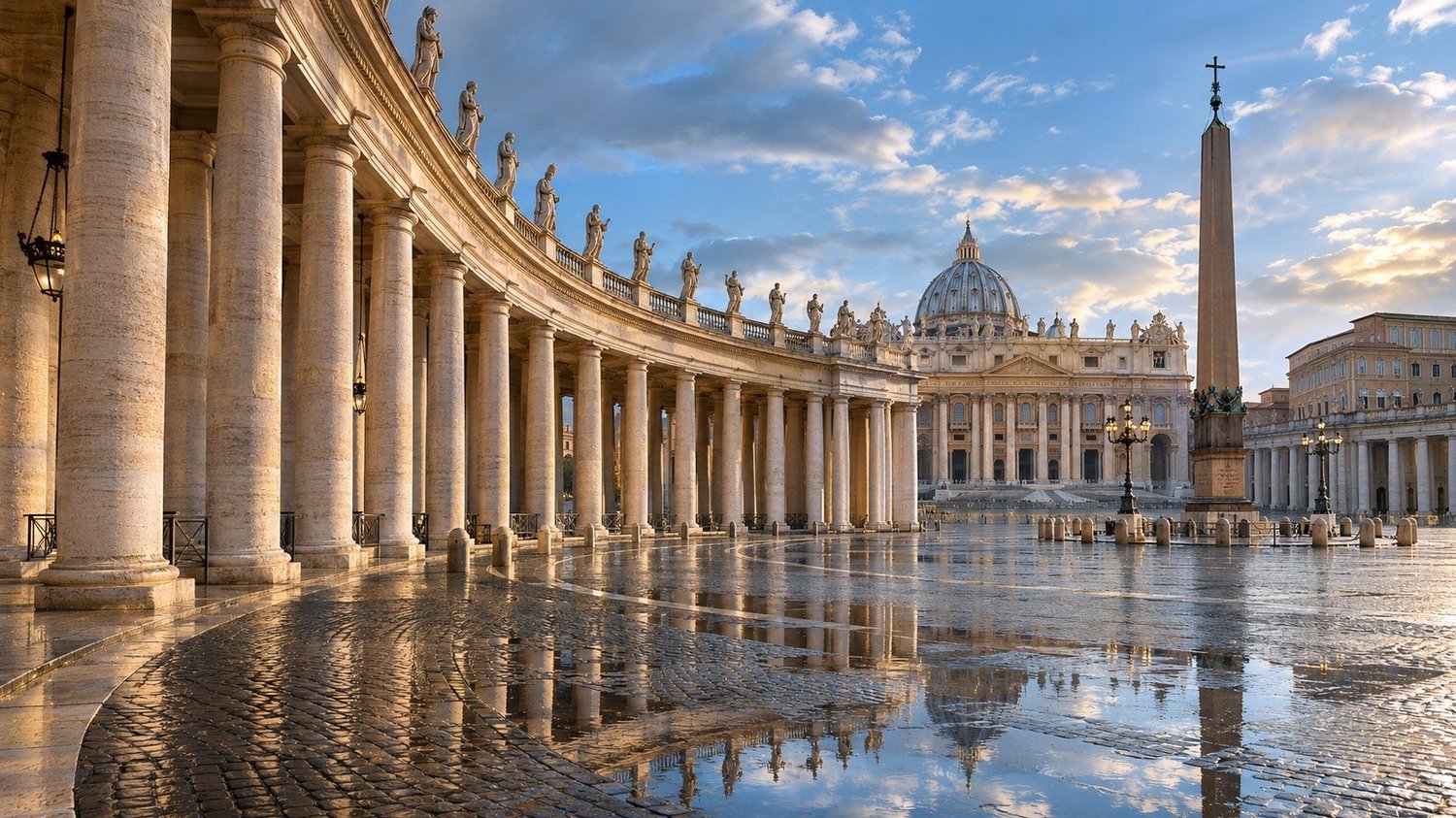
Three days after negotiations in Antalya ended without an overarching climate agreement, Pope Leo XIV told pilgrims in St Peter’s Square why the failure troubled him. Extreme weather was becoming more frequent, he said, yet governments had left COP31 without clear commitments commensurate with the danger. His appeal on Wednesday, 25 November, went beyond personal choices. He called for changes in how economies and societies are governed and how nations share responsibility.
The dispute behind his words turns on what the summit actually failed to adopt. Delegates carried out substantial business during two weeks in Turkey. What they could not agree on was the text intended to set a common political direction. In its final form, that document offered a target for electricity use and a future for carbon capture. It omitted the words “fossil fuels”.
Why Two Missing Words Mattered
Coal, oil and gas are the central subjects of the argument even when their collective name never appears in a document. Governments had already agreed at COP28 in Dubai to call for a transition away from fossil fuels in energy systems. The question at Antalya was whether a new agreement would give that commitment greater practical force. Leaving out any mention of the fuels made it harder for supporters to claim that the new text moved the earlier undertaking forward.
The European Union and other participants declined to back the final proposal from the Turkish and Australian leadership. Russia and Saudi Arabia had sought to keep fossil fuels out of it. Other governments were prepared to accept the text, some reluctantly, because they valued agreement on the provisions it did contain. A climate summit that normally works by consensus can therefore end without a common declaration even when a large number of the countries present would sign one.
Each position carried a risk. Accepting the text might allow governments to claim progress without agreeing to address the fuels at the centre of the dispute. Rejecting it meant losing a common political endorsement for proposals on which agreement was closer. The EU judged the former risk greater. There was no way to register a decisive majority vote and ask the losing side to implement the result. Our account of what countries agreed in Antalya follows the outcomes that survived that disagreement.
Why A Target For Electricity Was Not Enough
Turkey promoted a proposal to lift electricity’s share of final energy consumption from roughly 21% to 35% by 2035. More than 80 countries backed the ambition. The figure measures electricity as a share of the energy people and businesses ultimately use. It is a different measure from the proportion of a country’s power stations that run on renewable energy.
Consider a bus operator replacing diesel vehicles with electric ones. The change increases the role of electricity in transport. How much it reduces emissions depends partly on how the electricity is generated. A government could make substantial progress on electrification while continuing to burn fossil fuels in its power sector. Equally, a country could clean up the grid but leave much of its transport and industrial heat dependent on fuel burned directly. Negotiators who wanted commitments on both issues had a substantive reason for insisting on the wording.
The final draft also envisaged carbon capture, use and storage reaching gigatonne scale by 2035. It said these technologies should complement deep emissions cuts. Their inclusion gave delegates a way to discuss industries where eliminating emissions is particularly difficult. But when the technology appears in a document that avoids naming fossil fuels, countries can leave with sharply different interpretations of the balance between cutting fuel use and capturing the carbon produced by it.
What Did Survive The Collapse?
Turkish President Recep Tayyip Erdoğan said delegates adopted 46 decisions on items before the conference. The outcomes included work on adaptation, the Adaptation Fund and a programme for a just transition. That last term concerns what happens to workers and communities as economies change. A town dependent on an existing industry has a legitimate interest in the jobs and public services available as that industry shrinks. Governments can make progress on such questions even while disagreeing over the overall pace of change.
The distinction also works in reverse. Counting agreed decisions tells us that negotiations produced more than a single failed draft. It cannot tell us that 46 items of business add up to the missing political commitment. A government looking for a collective mandate to change the direction of energy investment came away with less than it had hoped. Someone following the institutions that finance adaptation has concrete decisions to examine.
What The Pope Adds To The Argument
Leo addressed the consequences for people who have little influence over negotiations but must live with what governments decide. That emphasis follows an established concern of his papacy. Last year he approved a new Catholic Mass for the care of creation. At his Wednesday audience he connected the conduct of individuals to the responsibilities of institutions, including the economic systems that shape the choices available to a household in the first place.
The pope cannot reopen the conference by making an appeal in Rome. What his intervention does is challenge an easy way of declaring Antalya either a success or a total failure. Leaders can fairly point to the decisions they reached. They still have to explain what they will do about the question on which they could not agree. For the governments that supported greater electrification, the next evidence will be what powers the growing demand for electricity. For those who insisted on naming fossil fuels, it will be what changes in their own energy systems now that the summit is over.
Sources
- Pope Leo calls COP31 failure 'troubling,' urges action on climate change
- Why the failure to reach a major deal at UN climate talks matters as extreme weather worsens
- COP31: Antalya talks unravel over fossil fuels, carbon capture | S&P Global
- Reuters — What follows the COP31 talks
Next Reads
- Why COP31 Failed, What Countries Agreed and Who Gained Most — Review the full outcome of the conference.
- COP31 Drops the Words ‘Fossil Fuels’. What Changed Between Monday’s Draft and Today’s? — Compare the language of successive drafts.
- Why Is Türkiye Hosting COP31 While Australia Leads the Negotiations? — Understand the roles of Türkiye and Australia.
