

Trump Warns Iran of Devastating New Strikes as War Escalates
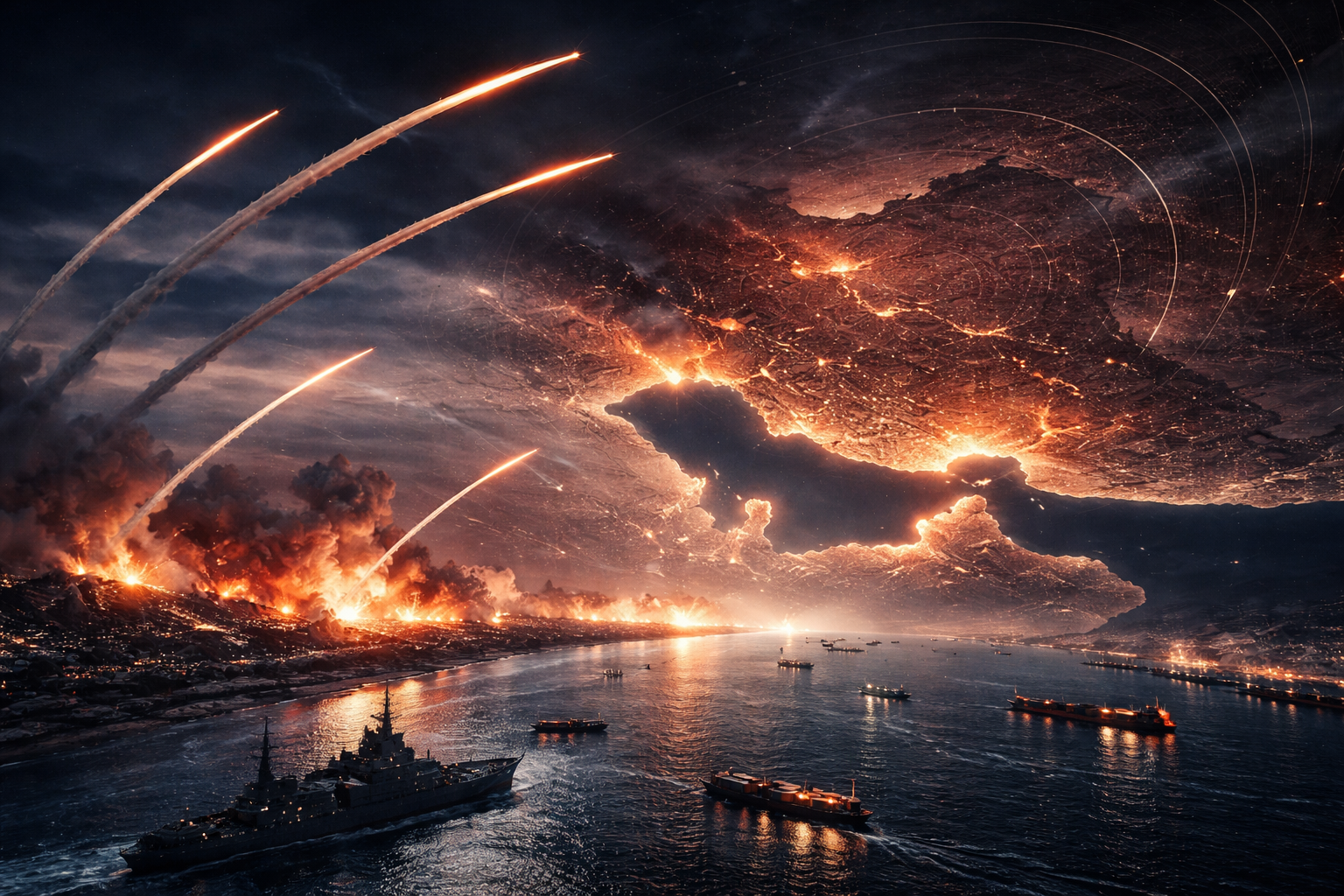
The Next Phase of the Iran War May Be Much Bigger
Trump’s War Doctrine: How the U.S. Could Escalate the Iran Conflict
The Middle East war that erupted in late February is entering a far more dangerous phase. As of March 7, 2026, U.S. President Donald Trump has warned that Iran will be hit “very hard” and that additional targets—including areas not previously under consideration—may soon be struck.
The warning comes after a week of escalating exchanges between the United States, Israel, and Iran. U.S. and Israeli forces launched major strikes against Iranian military and nuclear-linked targets, while Tehran retaliated with missile and drone attacks on U.S. bases and allied states across the Gulf.
The conflict has already spilled far beyond Iran’s borders, with attacks reported across multiple countries hosting U.S. forces and disruptions to regional shipping and air travel.
But the most consequential question now is not what has already happened. It is what the United States is prepared to do next.
The story turns on whether Washington intends to keep the war limited—or pursue a strategy that could fundamentally reshape Iran’s regime and the balance of power across the Middle East.
Key Points
The United States has warned Iran that further escalation could trigger “very hard” strikes and expanded targeting across the country.
The current war began after coordinated U.S.–Israeli strikes against Iranian leadership, military infrastructure, and nuclear-linked facilities on February 28, 2026.
Iran has retaliated by launching missile and drone attacks on U.S. bases and regional states hosting American forces.
The Strait of Hormuz—one of the world’s most critical oil shipping routes—has already seen major disruption since the conflict began.
Trump has indicated that new areas and groups could soon become military targets as the war intensifies, potentially including not only Iranian military assets but also allied militias and infrastructure that support hostile actions against U.S. interests in the region.
The strategic question now is whether the U.S. is pursuing deterrence, regime destabilization, or outright regime change.
The War That Began With Operation Lion’s Roar
The current conflict began in the early hours of February 28, 2026, when Israeli and U.S. forces launched a coordinated air and missile campaign against Iran. The operation targeted military infrastructure, nuclear-linked facilities, and leadership centers in Tehran and other cities.
Washington framed the strikes as necessary to halt Iran’s nuclear program and weaken its regional military network. Israeli officials argued the attack was a preemptive move to remove what they described as an imminent strategic threat.
Iran responded rapidly. Missile and drone attacks were launched against Israel, U.S. military positions, and several Gulf states hosting American forces. The retaliatory strikes widened the battlefield across the region, drawing in multiple countries almost immediately.
Within days, the conflict expanded into what many analysts now describe as the largest regional war in the Middle East in years.
How the Conflict Is Expanding
The most striking feature of the war so far is its geographic spread.
Iranian attacks have targeted U.S. bases and infrastructure across the Gulf, including locations in Bahrain, Qatar, and other regional partners.
At the same time, maritime traffic through the Strait of Hormuz—the narrow channel through which roughly a fifth of the world’s oil passes—has been severely disrupted. Iranian warnings and military activity in the area have halted or slowed shipping traffic and increased fears of a global energy shock.
The conflict has also begun to affect civilians across the region. Missile attacks have triggered airport shutdowns, evacuations, and widespread displacement.
This widening battlefield is precisely what makes Trump’s new warning about expanded U.S. strikes so consequential.
Trump’s Escalation Threat
Trump’s latest message signals a willingness to broaden the war.
He has publicly stated that the United States is considering targeting new areas and groups within Iran that were not previously on the strike list.
The implication is clear: Washington may move beyond the current campaign of targeted strikes against military infrastructure.
Possible next phases could include:
expanded attacks on Iranian command centers
deeper strikes against missile and drone facilities
operations targeting Revolutionary Guard leadership
support for internal opposition or regional militias
Each of these options carries different risks, but all represent a step toward a much larger conflict, potentially escalating tensions not only between the involved nations but also affecting regional stability and international relations.
What Most Coverage Misses
Much of the public discussion frames the war as a simple exchange of strikes between Israel, the United States, and Iran.
But the deeper strategic hinge is something else: regime pressure.
Several indicators suggest that the campaign may aim not only to weaken Iran's military capabilities but also to destabilize the ruling system itself.
The original strikes targeted leadership structures and key security institutions, not just weapons facilities. At the same time, reports have surfaced that Kurdish groups and other militias may be preparing uprisings in western Iran, potentially with outside support.
If that interpretation is correct, the war may follow a pattern seen in previous U.S. campaigns: military pressure combined with internal political destabilization.
In other words, the question may not simply be whether Iran’s military is defeated but whether the regime can survive sustained pressure.
Who Gains Power—and Who Loses? It
Every escalation in this conflict reshapes regional power dynamics.
If the United States and Israel succeed in degrading Iran’s missile forces and regional proxy networks, it would significantly weaken Tehran’s long-standing influence across Lebanon, Syria, Iraq, and Yemen.
But escalation also carries risks for Washington.
Iran retains a large missile arsenal, which is a stockpile of missiles, proxy militias across the region, and the ability to disrupt global energy flows through the Strait of Hormuz, a vital waterway for oil transportation.
A prolonged conflict could therefore damage not only Iran’s stability but also global energy markets, international shipping, and regional security.
Even limited strikes risk triggering retaliation far beyond Iran’s borders, potentially involving regional allies and escalating tensions in neighboring countries.
The Paths Ahead
The war now sits at a strategic crossroads.
One path leads toward a contained campaign of airstrikes aimed at deterring Iran and weakening its military capacity.
Another path—hinted at by Trump’s latest threats—would involve expanding the conflict into deeper strikes and possibly regime pressure inside Iran itself.
A third possibility is that the war widens regionally as Iranian proxies escalate attacks on U.S. allies and shipping routes.
Several signposts will reveal which direction events take:
whether the U.S. begins striking political or leadership targets
whether Iran intensifies attacks on Gulf states or shipping lanes
whether internal unrest grows inside Iran
whether outside powers move to mediate or intervene
The war that began with a single night of airstrikes has already reshaped the Middle East.
What happens next will determine whether it remains a regional confrontation—or becomes a conflict that redraws the region’s balance of power for a generation.
