Ann Widdecombe Was Allegedly Struck 21 Times With a Hammer as Political Motive Remains Unresolved
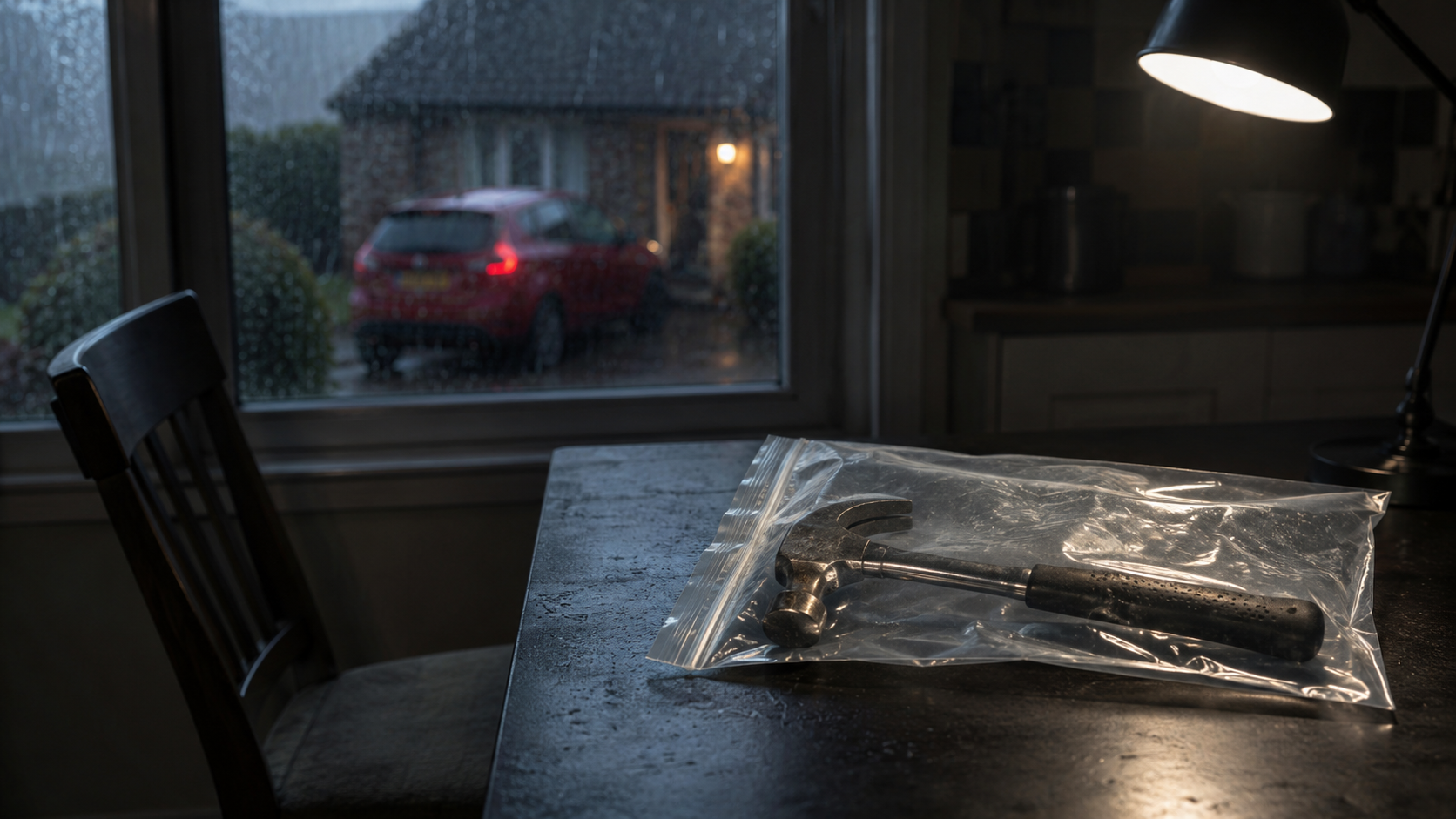
Suspect Accused of Killing Ann Widdecombe in Two-Minute Hammer Attack
Ann Widdecombe Hammer Attack: What Prosecutors Say Happened
Ann Widdecombe was allegedly struck on the head 21 times with a hammer during a rapid attack inside her Devon home, prosecutors have told a court. The former Conservative minister and Reform UK spokesperson was found dead in her kitchen on 9 July after failing to attend a scheduled online interview the previous afternoon.
Joshua Kerry, 28, of Rotherham, has been charged with her murder. Counter-terrorism detectives are still examining whether the alleged killing had a political, ideological or terrorist connection, but no motive has yet been established and the defendant has not entered a plea.
What Prosecutors Say Happened
The prosecution alleges that Widdecombe was attacked at her bungalow near Haytor on Dartmoor on 8 July. She was reportedly sitting in her kitchen around lunchtime when an intruder entered the property and subjected her to a sustained assault.
At Westminster Magistrates’ Court, prosecutor Khasir Malik said Widdecombe had allegedly been hit on the head 21 times with a hammer. A pathologist provisionally identified blunt-force trauma to the head as the cause of death, although the coroner has said the precise medical cause has not yet been formally established.
The alleged attack is said to have lasted approximately two minutes. Widdecombe was not discovered until the following morning, when concerns were raised because she could not be contacted and had missed a pre-arranged television interview.
An employee attending the property conducted a welfare check and found her unresponsive with visible injuries. Emergency services were called, but Widdecombe was declared dead at the scene.
Who Is the Suspect?
The man charged is Joshua Kerry, born on 21 April 1998 and living on Byrley Road in Rotherham, South Yorkshire. He was arrested at his home on 11 July, three days after the alleged attack and more than 200 miles from Widdecombe’s property.
Police reportedly connected Kerry to a red Vauxhall Corsa seen outside or near the bungalow shortly before Widdecombe’s death. He is alleged to have travelled from South Yorkshire to Devon before returning north.
Kerry appeared in court wearing a grey sweatshirt and tracksuit bottoms. During the short hearing, he spoke only to confirm his identity, date of birth and address.
No plea was taken. A murder charge is an allegation rather than a finding of guilt, and Kerry is entitled to a fair trial in which the prosecution will have to prove its case beyond reasonable doubt.
Police have indicated that they are not currently seeking another suspect. Investigators will nevertheless continue examining Kerry’s movements, communications, internet activity, possessions, finances and any evidence recovered from his home, vehicle or electronic devices.
Was the Alleged Attack Politically Motivated?
That remains the most important unresolved question.
Shortly after Widdecombe’s death, local police said there was nothing at that stage to suggest that the attack had been politically motivated or connected to terrorism. Detectives remained open-minded but urged politicians and the public not to speculate while the evidence was being gathered.
The position later changed significantly. Counter Terrorism Policing assumed control of the investigation, and Kerry was rearrested on suspicion of the commission, preparation or instigation of acts of terrorism.
The Crown Prosecution Service has confirmed that enquiries into his alleged motives remain active, including the possibility of a political or terrorist connection. That does not mean terrorism has been proved, nor does the involvement of specialist officers automatically make the alleged killing a terrorist offence.
Counter-terrorism detectives can take over a case when a prominent political figure appears to have been deliberately targeted and there is evidence requiring specialist examination. Their work will include determining whether any political belief, personal grievance, fixation, extremist ideology or single-issue cause influenced the alleged attack.
Investigators are reportedly considering whether hostility towards Widdecombe’s political positions or towards Reform UK could have played a role. Widdecombe was a highly recognisable social conservative who had taken strong positions on immigration, Brexit, abortion, same-sex relationships and criminal justice during decades in public life.
However, no political manifesto, ideological statement or confirmed motive has been presented in court. There is currently no public evidence establishing that Kerry selected Widdecombe because of a specific policy, party affiliation or political campaign.
The distinction matters. A targeted attack against a politician is not necessarily a politically motivated attack. The victim could have been selected because of public prominence, personal fixation, perceived wealth, an imagined grievance or another motive unrelated to formal ideology.
Why the Case Is Being Treated So Seriously
Widdecombe’s political profile immediately gives the investigation national significance. She served as the Conservative MP for Maidstone and later Maidstone and The Weald between 1987 and 2010, holding ministerial positions under John Major.
She subsequently left the Conservatives and became a Brexit Party member of the European Parliament in 2019. She later became associated with Reform UK and served as one of the party’s most prominent spokespeople on immigration and justice.
The alleged killing therefore raises broader questions about the protection of politicians, former MPs and high-profile campaigners. Britain has already experienced the murders of MPs Jo Cox in 2016 and Sir David Amess in 2021, both of which were politically or ideologically motivated.
Widdecombe was no longer a sitting MP, meaning she would not necessarily have received the same routine security support as an active parliamentarian. Yet she remained publicly active, regularly appeared in the media and continued to express opinions capable of generating intense opposition.
Police will now have to establish whether the alleged attack represented an isolated act against one individual or indicated a wider risk to other political figures. Officers are likely to examine whether any other names, addresses, searches, plans or potential targets appear in the evidence.
What Happens Next?
Kerry was remanded in custody following the magistrates’ court hearing and transferred into the Crown Court process. Because murder cases can be tried only in the Crown Court, the substantive proceedings will take place at the Old Bailey.
The next stages are expected to include a preliminary hearing, the formal presentation of the charge, a plea and trial preparation. The court may later set a provisional trial date and deadlines for the prosecution and defence to serve evidence.
Prosecutors will need to build a complete evidential account connecting the defendant to the property, the alleged weapon, the vehicle, the timing of the attack and Widdecombe’s injuries. Forensic evidence, CCTV, automatic number-plate recognition records, mobile-phone data and digital material could all become central to the case.
The defence will be given access to the prosecution material and may commission its own medical, forensic or psychiatric evidence. No details of Kerry’s defence position have yet been disclosed.
An inquest into Widdecombe’s death has also been opened in Exeter. Senior coroner Philip Spinney suspended the proceedings until the criminal case has concluded, preventing the inquest from interfering with or duplicating issues that must first be decided by a jury.
The Question the Investigation Must Answer
The immediate criminal allegation is now clear: prosecutors say Widdecombe was deliberately and repeatedly attacked with a hammer inside her own home. The alleged brutality, the distance reportedly travelled by the suspect and the description of the killing as targeted will make planning and motive critical parts of the prosecution narrative.
What remains unknown is why Widdecombe was allegedly selected. The investigation has moved beyond its original position that there was nothing suggesting a political motive, but it has not reached the point where ideology can be treated as established fact.
The answer may emerge from the defendant’s devices, private communications, searches or conduct before the alleged attack. Until that evidence is presented in court, the possibility of political terrorism remains under investigation rather than proved — and the central mystery surrounding Widdecombe’s death remains unresolved.
