Australia’s Bird Flu Wall Just Cracked — And The Human Nightmare Is Still Waiting
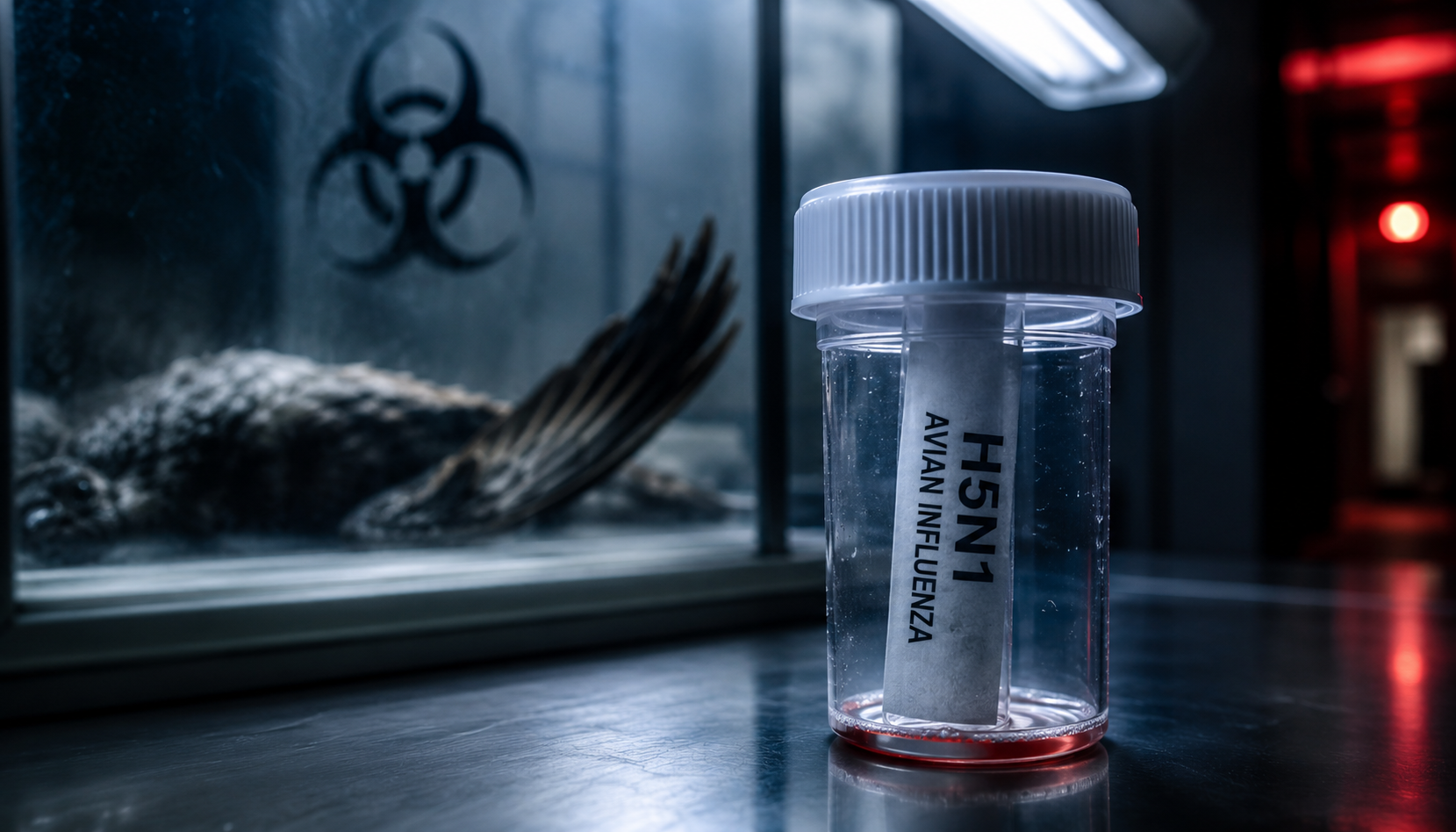
NSW Confirms H5N1 Bird Flu As Pandemic Fears Return
H5N1 Has Reached NSW — The Human Risk Is The Real Story
Australia has crossed a line it spent years hoping to avoid. New South Wales has confirmed its first case of H5 bird flu after testing found the virus in a migratory giant petrel near Hawks Nest, turning what began as a wildlife warning into a national biosecurity test.
The immediate danger to people remains low. That is the crucial fact. But the reason this story matters is not what H5N1 is doing to humans today; it is what the virus could become if it gains the ability to spread efficiently from person to person.
A Single Seabird Has Changed The Map
Australian authorities now say six H5 bird flu cases have been confirmed in wild birds across Western Australia, South Australia and New South Wales. The NSW detection is the first confirmed case in the state, and officials say there is currently no evidence that the virus has spread into commercial poultry, captive birds or wider agriculture.
That distinction matters. A virus found in a migratory seabird is not the same as a virus ripping through farms, food supply chains or people. Authorities have stressed that chicken meat and egg supplies are not affected, and that the public should not touch sick or dead birds.
Still, the signal is serious. H5N1 has already caused devastating bird and mammal outbreaks overseas, and Australia’s geography no longer gives it the same psychological protection it once did. The virus is now part of the country’s live surveillance problem.
The Human Risk Is Low Until The Virus Changes
Bird flu does not currently behave like human seasonal flu. It mainly spreads among birds, and human infections usually follow close contact with infected animals, carcasses, contaminated environments or high-risk occupational exposure.
That is why the public-health advice is simple: do not handle sick or dead birds, report them, and keep pets away from carcasses. For most people, the risk is not walking past the coastline. The risk begins when humans, animals and contaminated environments come into close contact.
But H5N1 is watched so closely because influenza viruses can change. If an avian influenza virus evolves so that it can infect humans more easily, replicate well in human airways, and then spread continuously between people, the risk picture changes completely. That is the pandemic scenario.
The Pandemic Fear Is Not Fiction
A pandemic does not begin simply because a bird virus infects a human. It begins when a novel influenza A virus reaches a population with little or no immunity and gains sustained human-to-human transmission.
That is the nightmare threshold. H5N1 has already shown that it can infect humans rarely, and those infections can be severe. The current version has not shown sustained human-to-human spread, which is why officials continue to describe the present risk to people in Australia as low.
The danger is evolutionary opportunity. Every infected bird, mammal or contaminated setting gives the virus another chance to copy itself, adapt, reassort or find a route into a new host. Most of those routes go nowhere. The one that matters is the one that makes human transmission easier.
Why Mammals Make Officials Nervous
The global concern is not only dead birds. H5N1 has infected mammals overseas, and mammal infections matter because they can bring the virus biologically closer to humans. The more often the virus enters mammalian bodies, the more closely scientists watch for signs that it is learning new tricks.
That does not mean a human pandemic is inevitable. It means the margin for complacency is shrinking. A virus that remains trapped in bird-to-bird transmission is a wildlife and agriculture emergency. A virus that adapts to mammals becomes a sharper public-health warning. A virus that spreads efficiently between humans becomes something else entirely.
Australia’s current challenge is to stop the first problem from becoming the second, and to detect any sign of the third before it is too late.
What Happens Next
The next phase will be surveillance. Authorities will watch wild birds, test suspect animals, support poultry producers and push the same public message again and again: do not touch sick or dead wildlife.
The most dangerous mistake would be panic. The second most dangerous mistake would be dismissal. The facts do not support a human crisis today, but they do support serious attention, because H5N1’s real danger has always been conditional.
Right now, the virus has crossed into NSW wildlife. The unanswered question is whether it stays mostly there, or whether nature gives it enough chances to become something far harder to contain.
