Iran Death Toll Surges Past 1,900 as War Spirals
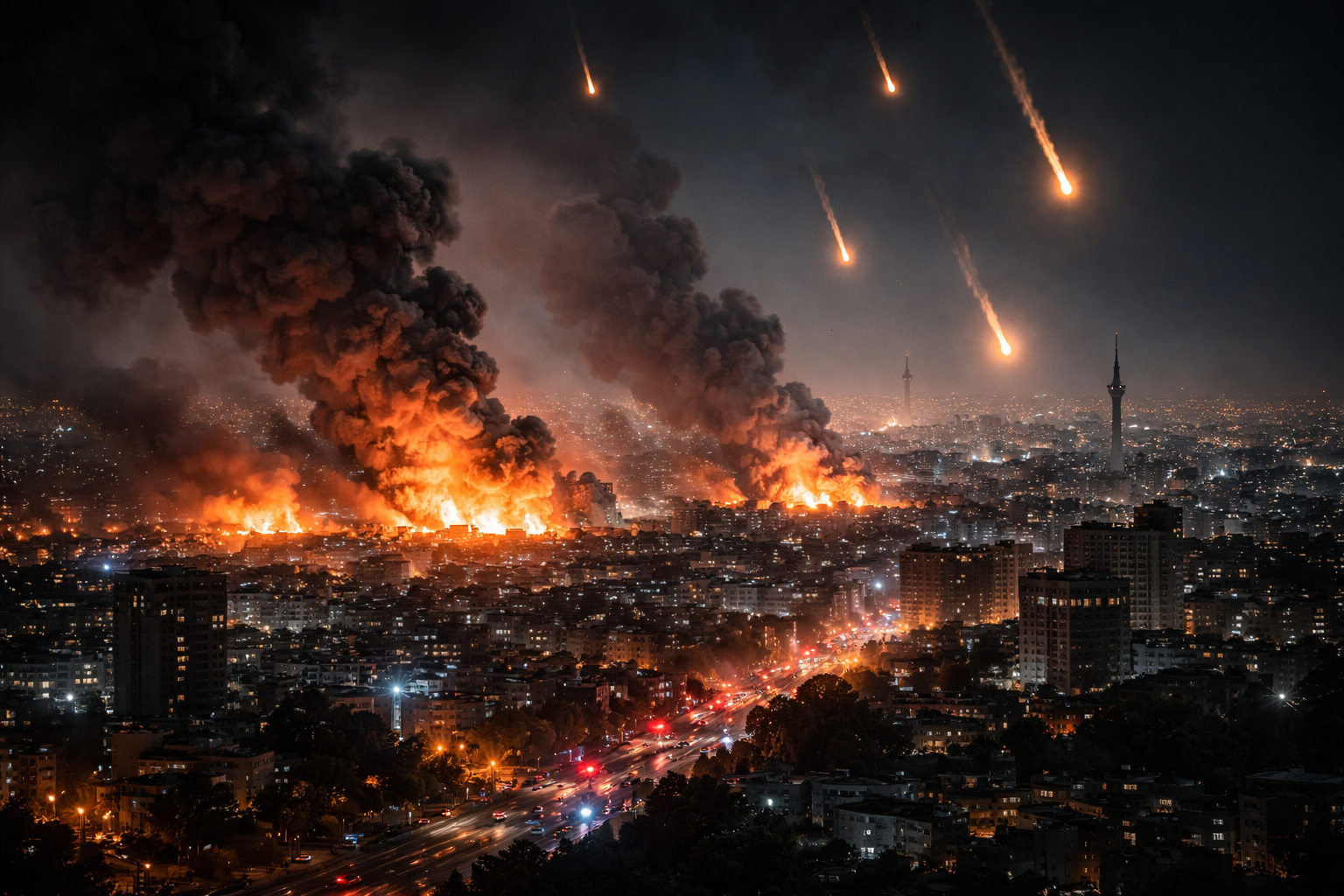
1,900 Dead in Iran — The Number That Could Change the War
Iran Death Toll Surpasses 1,900 After US-Israel Strikes — A War Now Measured in Civilian Cost
More than 1,900 people have now been killed in Iran since the start of US and Israeli strikes, with at least 20,000 injured, according to the International Federation of Red Cross and Red Crescent Societies (IFRC).
As of March 27, 2026, the conflict that began less than a month ago has escalated into one of the most intense confrontations between major regional and global powers in decades. What started as targeted military action has rapidly widened into a multi-front war with mounting civilian casualties and global economic consequences.
The scale of deaths is no longer just a statistic—it is becoming the defining metric of the war itself.
The overlooked hinge is this: the rising death toll is not only a humanitarian crisis, but also a strategic variable that could reshape the trajectory of the conflict.
The story turns on whether the mounting civilian cost forces a shift toward escalation or restraint.
Key Points
The IFRC reports over 1,900 deaths and 20,000 injuries in Iran since strikes began, based on Iranian Red Crescent data.
Civilian casualties appear significant, with separate reports estimating hundreds of children among the dead and strikes hitting populated areas.
Israel and the US maintain they are targeting military infrastructure, including missile systems and leadership nodes.
Iran has retaliated with missile attacks on Israel, escalating into a sustained exchange rather than isolated strikes.
The conflict is now affecting global energy markets, particularly through disruption in the Strait of Hormuz.
Diplomatic efforts exist but remain fragile, with indirect talks and mixed signals from both sides.
How the War Reached This Point
The current conflict traces back to late February 2026, when coordinated US and Israeli strikes targeted Iran’s military infrastructure, leadership, and nuclear-linked sites.
These were not symbolic strikes. They were designed to degrade Iran’s ability to project power—particularly its missile arsenal and regional proxy network.
Iran responded almost immediately. Missile barrages struck Israeli cities, some using cluster munitions, while proxy forces and regional allies expanded the battlefield beyond Iran’s borders.
Within weeks, the conflict evolved into a sustained exchange:
Thousands of airstrikes and counterstrikes
Leadership decapitation attempts
Civilian areas increasingly affected
The pace of escalation has been unusually fast, compressing what might historically unfold over months into days.
The Death Toll: What It Actually Represents
The figure of 1,900 dead is not just a humanitarian statistic—it reflects how the war is being fought.
Several factors are driving the high casualty count:
1. Urban Targeting Environment
Iran’s military infrastructure is deeply embedded in cities. Strikes on missile systems, command centers, and logistics nodes often occur in densely populated areas.
2. Intelligence Limitations
Reports suggest some strikes may have relied on flawed or outdated intelligence, increasing the risk of civilian casualties.
3. Scale and Intensity
Israel alone is reported to have conducted thousands of strikes, with the US targeting thousands more sites.
4. Retaliatory Dynamics
Iran’s missile attacks on Israel ensure the conflict remains active, preventing de-escalation cycles that might otherwise limit casualties.
The result is a war where civilian exposure is structurally high, not incidental.
Power, Leverage, and the Shifting Balance
At a strategic level, both sides are achieving partial objectives—and incurring growing costs.
US and Israel
Have degraded parts of Iran’s missile and military infrastructure
Have targeted senior leadership figures
Maintain air superiority
But:
They face mounting international scrutiny over civilian casualties
Prolonged strikes risk diminishing political legitimacy
Iran
Has demonstrated continued retaliatory capability
Has kept pressure on Israel through missile attacks
Has leveraged geography to disrupt global energy routes
But:
Has suffered significant infrastructure damage
Faces internal strain and humanitarian pressure
This is no longer a one-sided campaign. It is a contested escalation with no clear off-ramp.
The Real-World Stakes: Beyond the Battlefield
The consequences are already spilling far beyond Iran and Israel.
Energy and Economy
Iran’s actions in the Strait of Hormuz are disrupting global oil flows, pushing up prices and forcing countries to react with emergency measures.
Civilian Impact
Tens of thousands injured, widespread infrastructure damage, and displacement across the region are creating a long-term humanitarian burden.
Global Alignment
Countries are beginning to take sides—some quietly supporting Iran, others backing US-Israeli actions—raising the risk of a wider geopolitical split.
What Most Coverage Misses
The critical factor is not just how many people are dying—it is where and how those deaths are occurring.
Civilian casualties at this scale change the strategic environment in three ways:
First, they compress time. High death tolls accelerate diplomatic pressure, forcing faster decisions from leaders who might otherwise wait.
Second, they reshape legitimacy. Sustained civilian losses, even if militarily justified, can erode international support and shift neutral actors into opposition.
Third, they alter escalation thresholds. As casualties rise, both sides face domestic pressure—either to retaliate harder or to seek an exit.
This means the death toll is not a byproduct of the war. It is becoming one of its primary drivers.
What Happens Next: The Fork in the Road
There are now three plausible paths forward.
Controlled Escalation
Strikes continue but remain focused on military targets. Casualties rise slowly, and diplomacy gradually gains traction.
Regional Expansion
More actors enter—Hezbollah, Gulf States, or others—turning the conflict into a broader Middle East war.
Forced De-escalation
Humanitarian pressure, economic disruption, and political risk force a negotiated pause or settlement.
The signals to watch are clear:
Changes in strike intensity
Movement in oil markets and shipping routes
Public diplomatic positioning by major powers
This conflict is no longer just about military capability. It is about endurance, legitimacy, and the cost each side is willing—or able—to absorb.
And at this point, the most important number in the war is no longer missiles launched or targets hit.
It is how many more people die before something breaks.
