Iran Rejects Ceasefire After US Jet Downed—Escalation Fears Surge
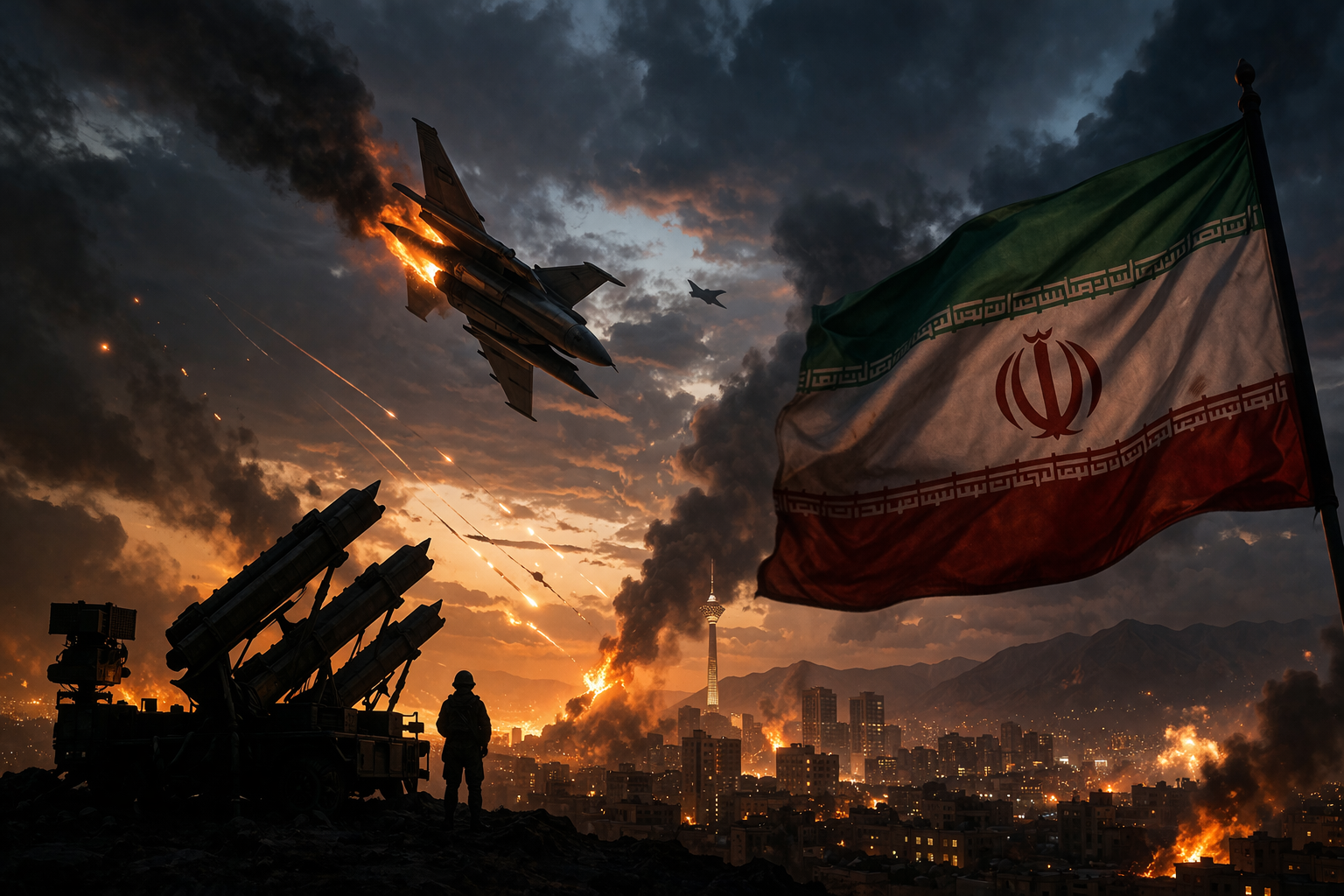
Ceasefire Collapses as Iran Downs US Fighter Jet and Refuses Pause
Iran has rejected a reported U.S. proposal for a short-term ceasefire, even as tensions spike following the downing of an American fighter jet inside Iranian territory.
The rejection—reported by Iranian-linked media citing unnamed sources—comes at the exact moment the conflict has crossed a new threshold: direct loss of a manned U.S. aircraft in hostile airspace.
This development matters immediately because ceasefire windows are typically used to de-escalate after incidents like this. Instead, both sides appear to be moving in the opposite direction.
The story turns on whether this moment becomes a pause point—or a trigger for wider escalation.
Key Points
Iran has reportedly rejected a 48-hour ceasefire proposal conveyed via intermediaries, with no formal U.S. confirmation yet.
A U.S. F-15E fighter jet was shot down over Iran, marking a major escalation in the conflict.
One U.S. crew member has been rescued, while search operations continue for a second, increasing pressure on both militaries.
Iranian messaging includes calls for civilians to locate or capture the missing pilot, intensifying the stakes.
Ceasefire efforts appear to have stalled or collapsed, with mediation channels failing to produce agreement.
The incident undermines earlier claims of U.S. air superiority, shifting the strategic narrative.
What Just Changed—and Why It Matters
The downing of a U.S. fighter jet inside Iran is not just another incident. It is a category shift.
Until now, much of the conflict operated under assumptions of U.S. dominance in the air. That assumption is now visibly contested.
One aircraft lost does not change the overall balance of power. But it does change risk perception:
U.S. pilots are now clearly vulnerable inside Iranian airspace
Iranian air defenses—whether advanced or opportunistic—are proving capable
Future operations may require different tactics, higher altitude, or reduced exposure
At the same time, the ceasefire rejection signals that Iran is not seeking immediate de-escalation, even after a high-risk encounter.
That combination—higher risk plus no pause—is what makes this moment volatile.
The Ceasefire That Wasn’t
The reported U.S. proposal was limited: a 48-hour pause, likely designed to
allow search and rescue operations
create space for diplomatic backchannels
prevent rapid retaliatory escalation
Iran’s reported rejection, delivered through state-linked media, is notable for two reasons:
First, it came via indirect communication, suggesting formal diplomatic channels remain constrained or politically sensitive.
Second, it lacked detailed justification. That silence matters.
It implies one of three things:
Iran sees advantage in continuing operations
Iran does not trust U.S. intent behind the ceasefire
Iran wants to negotiate from a stronger position after recent events
None of those point toward immediate de-escalation.
The Missing Pilot Problem
The search for the second U.S. crew member is not just a military issue. It is a political and symbolic flashpoint.
There are now two simultaneous races:
U.S. forces attempting to locate and extract the pilot
Iranian forces and potentially civilians attempting to locate him first
Iranian messaging has reportedly included calls for civilians to assist in capture, even offering rewards.
That introduces a dangerous dynamic:
It blurs the line between military and civilian involvement
It increases the chance of chaotic, decentralized encounters
It raises the risk of propaganda exploitation if capture occurs
For the U.S., failure to recover the pilot quickly could become the following:
a domestic political issue
a military credibility issue
a driver for escalation
Where This Story Really Turns
This is no longer just about a ceasefire.
It is about control of escalation timing.
The U.S. appears to have attempted a pause—likely to stabilize the situation after a loss.
Iran has, at least for now, declined that pause.
That shifts initiative toward Iran in the short term.
But it also creates pressure on the U.S. to respond, particularly if:
the missing pilot is captured
further aircraft are threatened
additional losses occur
This is the classic escalation trap:
Neither side necessarily wants full-scale expansion
But both are now positioned where inaction carries its own risks
What Most Coverage Misses
The key hinge is not the ceasefire itself. It is why a short ceasefire was proposed at this exact moment.
A 48-hour window is not a peace deal. It is a tactical pause.
That strongly suggests the proposal was driven by operational needs—most likely the following:
search and rescue constraints
risk to recovery aircraft operating at low altitude
intelligence gathering around the crash site
In other words, the ceasefire was not primarily diplomatic. It was functional.
Iran’s rejection, therefore, is not just political signaling. It is a decision that directly affects battlefield conditions, especially for the ongoing recovery mission.
That reframes the story:
The headline is not simply “Iran rejects peace.”
It is Iran rejecting a pause that would have made U.S. operations safer in the immediate term.
The Wider Strategic Picture
This moment sits inside a broader pattern:
Weeks of escalating strikes across Iran and the wider region
Repeated claims of degraded Iranian capabilities
Continued Iranian ability to strike back and now contest airspace
At the same time, regional tensions are expanding:
infrastructure strikes
oil and energy disruption risks
threats tied to the Strait of Hormuz
The longer the situation continues without a pause, the more likely the conflict becomes:
multi-theatre
economically disruptive
politically entrenched
What Happens Next
The next phase depends on three immediate variables:
1. The fate of the missing pilot
Recovery, capture, or confirmation of death will each trigger different responses.
2. Whether the U.S. pushes another ceasefire attempt
A second proposal would signal continued interest in de-escalation. Silence would suggest a shift toward retaliation.
3. Iran’s next military move
Further successful defensive actions—or additional shootdowns—would compound pressure on U.S. strategy.
The underlying dilemma is now clear.
Both sides have reached a point where retreating appears weak, while advancing poses a significant risk of escalation.
This is the pivotal moment.
And it is now fully visible.
