Iran’s Peace Offer Is a Power Play: End the War, Pay the Price — Or Lose the World’s Oil Artery
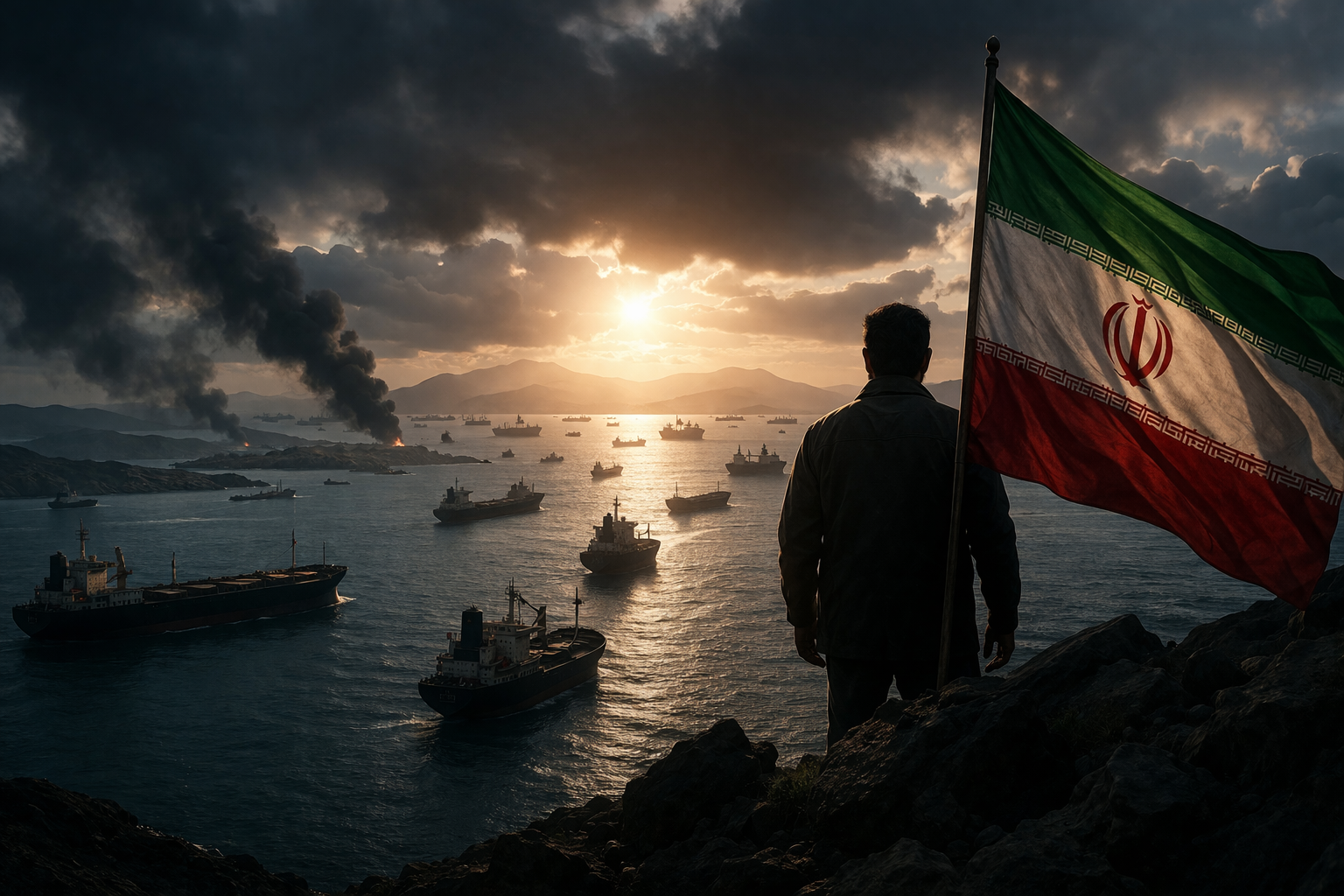
Military escalation and diplomacy collide in Iran US conflict
Tehran isn’t asking for peace — it’s redefining the terms of power in the middle of a war that’s still escalating.
Peace talks are being offered—but only on Iran’s terms
At the exact moment the conflict is intensifying, Iran has made something clear: it is open to talks — but only if the United States fundamentally changes its position.
The conditions are not minor.
Iran is demanding an immediate halt to US strikes, guarantees that attacks will never resume, financial compensation for damage, and a restructuring of control over the Strait of Hormuz—one of the most critical chokepoints in the global economy.
This is not a traditional ceasefire framework. It is a demand for a permanent settlement—on terms that shift leverage toward Tehran.
And crucially, it comes while bombs are still falling.
The contradiction at the heart of the moment
The United States is continuing targeted strikes—including recent attacks on Iranian military positions in Kharg Island— while simultaneously pushing for a diplomatic resolution.
At the same time, Iran is rejecting temporary ceasefires outright and insisting on a “lasting peace” agreement before it even considers de-escalation.
This creates a paradox:
War is intensifying
Diplomacy is being discussed
But neither side is willing to concede first
Instead of negotiation slowing conflict, negotiation is now part of the conflict itself.
Why the Strait of Hormuz changes everything
At the center of Iran’s demands is the Strait of Hormuz — a narrow passage through which roughly a fifth of the world’s oil supply flows.
Iran is not just asking for peace conditions.
It is asking for control— including the right to impose fees on ships passing through the strait under a future agreement.
That changes the entire nature of the negotiation.
Because the issue is no longer just about stopping a war.
It is about who controls global energy flows.
The ongoing disruption has already caused major instability, with shipping collapsing and oil markets surging in response to the crisis.
In simple terms, whoever controls Hormuz controls pressure on the global economy.
What media misses
This is not a peace offer in the conventional sense.
It is leverage, packaged as diplomacy.
Iran is negotiating from a position it created—by disrupting one of the most critical arteries in the global system.
Most coverage frames the situation as escalation versus de-escalation.
But the reality is more uncomfortable:
Iran is escalating strategically while appearing diplomatically open.
That allows it to:
Maintain pressure on global markets
Force international attention
Extract concessions that would be impossible in peacetime
The “peace proposal” is not separate from the war.
It is one of the war’s most effective tools.
Why the timing matters now
The timing is not accidental.
The demands come as:
The US intensifies military pressure
Deadlines for compliance are being issued
Global markets are already reacting
Regional actors are pushing for mediation
President Donald Trump has issued stark warnings, including threats of massive escalation if demands are not met, raising the stakes even further.
At the same time, mediators are scrambling to broker a temporary cease-fire—something Iran has explicitly rejected.
That tells you everything about intent.
Temporary peace does not serve Iran’s strategy.
Structural advantage does.
What happens next
Three paths are emerging—none of them stable.
1. Forced escalation
If the US rejects Iran’s terms outright, military action is likely to intensify — especially around energy infrastructure and strategic choke points.
2. Conditional pause
If diplomacy gains traction, it will likely involve partial concessions — but not the full set of Iranian demands.
3. Prolonged leverage war
The most likely outcome: a drawn-out standoff where Iran maintains pressure via Hormuz while negotiations drag on.
This third path is the most dangerous.
Because it keeps the world in a constant state of economic and military tension—without resolution.
The deeper pattern emerging
This moment reveals a broader shift in how modern conflicts are fought.
War is no longer just about territory or direct military victory.
It is about control of systems:
Energy
Trade routes
Supply chains
Economic chokepoints
Iran understands this.
And its demands reflect it.
By tying peace to control of Hormuz, Tehran is effectively saying:
The price of stability is structural influence.
The real stakes
This is not just a regional conflict.
It is a test of whether military power or strategic leverage defines outcomes in modern warfare.
Because if Iran succeeds—even partially— it sets a precedent:
Control the system, and you control the negotiation.
It shouldn't be the other way around.
The final reality
Peace is being discussed.
But peace is not what’s being offered.
What’s being offered is a trade:
Stop the war and accept a new balance of power.
And if that trade fails, the alternative isn’t just more conflict.
It’s a world where one of the most critical economic arteries remains a weapon.
