

Iran’s Response Could Decide War or Escalation—And It’s Due Today
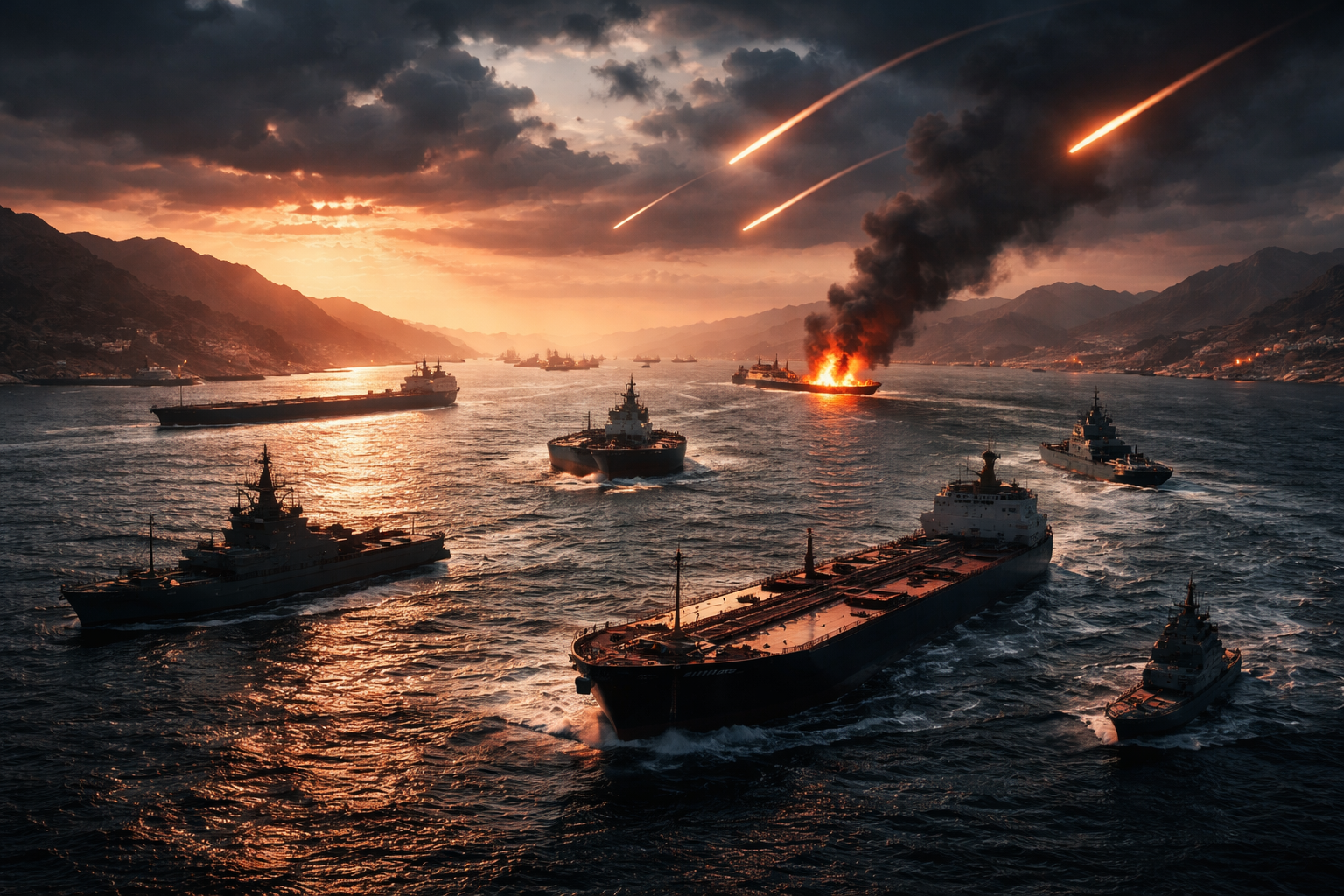
The Iran Peace Plan Showdown: What Happens When Tehran Responds
Iran's Response to US Peace Plan Expected TODAY as War Reaches Critical Turning Point
Iran is expected to deliver its formal response to a U.S.-led peace proposal aimed at ending the escalating Middle East war that began less than a month ago. The response—likely delivered through intermediaries—could determine whether the conflict moves toward de-escalation or intensifies further.
At the center of the standoff is a 15-point U.S. plan demanding major concessions, including limits on Iran’s nuclear program, missile capabilities, and control over the Strait of Hormuz. Tehran has already signaled strong objections, calling the proposal one-sided, while preparing a counteroffer.
This moment matters because both sides are still actively fighting while negotiating—an unstable dynamic where diplomacy and escalation are happening simultaneously. The overlooked hinge is not just what Iran says, but whether either side is actually willing to concede core strategic leverage.
The story turns on whether Iran offers a genuine compromise—or doubles down on demands that make a deal impossible.
Key Points
Iran is expected to respond today to a U.S. peace proposal delivered via intermediaries, likely Pakistan.
The U.S. plan demands major concessions, including nuclear rollback and limits on missile programs.
Iran has already rejected key elements and submitted its own counter-proposal with opposing demands.
Fighting continues alongside diplomacy, including missile strikes and threats to global shipping routes.
The Strait of Hormuz remains a critical pressure point affecting global oil markets.
The U.S. is simultaneously considering military escalation, including potential troop deployments.
Where This Crisis Actually Began
The current conflict traces back to late February 2026, when the United States and Israel launched coordinated strikes on Iran, triggering a rapid regional escalation.
Iran responded with missile and drone attacks across the region and moved to disrupt shipping through the Strait of Hormuz, a chokepoint for the global oil supply.
Since then, the war has evolved into a hybrid conflict:
Direct military exchanges
Economic warfare via energy disruption
Diplomatic backchannels through third-party states
The U.S. peace plan is an attempt to freeze that escalation before it expands further.
The 15-Point Plan vs Iran’s Counteroffer
The U.S. proposal is ambitious—and from Iran’s perspective, unacceptable in its current form.
Washington’s core demands reportedly include:
Ending Iran’s nuclear ambitions
Limiting missile capabilities
Ensuring open shipping through Hormuz
Broader regional de-escalation
Iran’s counter-position flips that logic:
End all attacks and assassinations
Secure reparations
Maintain military capabilities
Retain control over key strategic assets like Hormuz
This is not a negotiation over details—it is a negotiation over power.
Why the Strait of Hormuz Is the Real Battlefield
The Strait of Hormuz is where this war becomes global.
It handles a massive share of the world’s oil shipments, and Iran has already demonstrated its ability to disrupt traffic.
Control over Hormuz gives Iran leverage far beyond its military strength:
It can raise global oil prices
Pressure Western economies
Force international actors into negotiations
For the U.S., keeping Hormuz open is non-negotiable.
For Iran, controlling it is the ultimate bargaining chip.
That is the core deadlock.
Consequences: Who Gains, Who Loses
Currently, neither side is clearly “winning.”
The United States:
Military dominance remains intact
But political pressure is rising domestically
War fatigue is growing among allies
Iran:
Retains strategic leverage via Hormuz
Has not collapsed despite sustained strikes
Faces economic and infrastructure strain
Global economy:
Oil prices are rising sharply
Supply chains are under pressure
Markets are reacting to uncertainty
This situation is a stalemate disguised as escalation.
Real-World Stakes: Why This Matters Beyond the Region
This conflict is already affecting everyday life globally.
Energy prices are rising, driven by instability in oil supply routes.
Shipping disruptions risk:
Higher fuel costs
Increased inflation
Pressure on global trade
There is also a direct security risk.
Western officials have warned that escalation could expand beyond the region if diplomacy fails.
The situation is no longer a contained conflict.
What Most Coverage Misses
Most coverage frames the situation as a standard peace negotiation. It isn’t.
The real issue is that both sides are negotiating while actively trying to improve their battlefield position. That changes everything.
The U.S. is applying military pressure while offering diplomacy. Iran is doing the same—using Hormuz and regional strikes to strengthen its negotiating hand.
This creates a paradox:
Any concession now looks like weakness
Any escalation risks collapsing talks
The result is a negotiation where neither side can afford to compromise quickly.
That is why the response today matters—but will not, on its own, resolve the conflict.
What Happens Next: The Three Paths Ahead
There are three realistic scenarios from here:
1. Limited De-escalation
Iran offers a partial concession, allowing talks to continue.
Signals: softer language, phased proposals, third-party meetings
2. Prolonged Stalemate
Both sides reject core demands but keep negotiating.
Signals: continued backchannel talks + ongoing strikes
3. Rapid Escalation
Talks collapse and military action intensifies.
Signals: troop deployments, wider regional attacks
The most likely near-term path is the second: a drawn-out negotiation with intermittent escalation.
But the risk is clear.
This is not just a diplomatic moment—it is a strategic fork where miscalculation could widen the war dramatically. the talks.
