

NATO Just Approved A New Nuclear Era And Most People Missed It
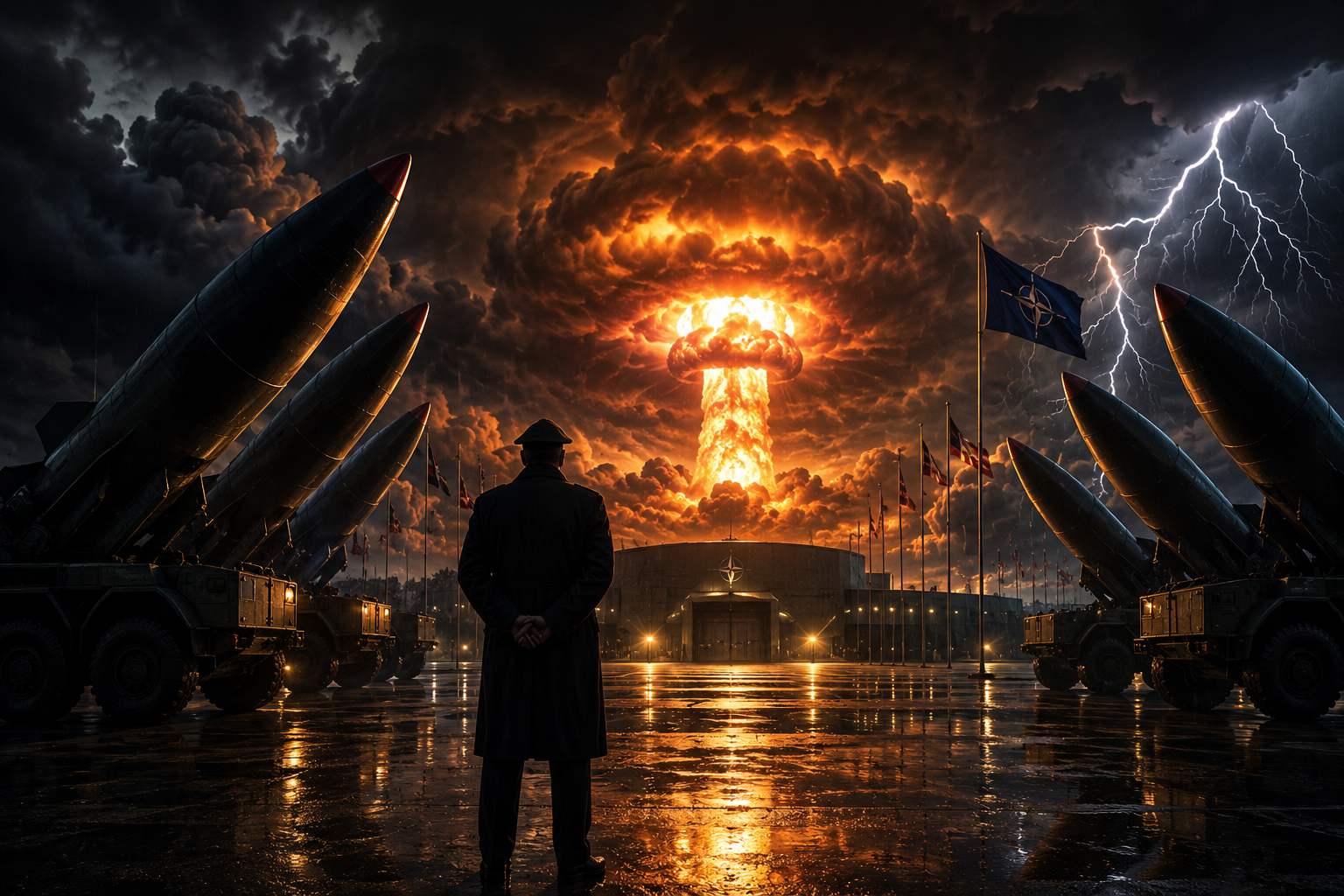
NATO Signals A Major Shift In Nuclear Strategy As Global Tensions Rise
A Decision That Reveals How Dangerous The World Has Become
NATO Makes A Significant Nuclear DecisionNATO defence ministers have agreed to modernise the alliance's nuclear capabilities and strengthen its nuclear planning infrastructure. The decision was reached through NATO's Nuclear Planning Group, the alliance's senior body responsible for nuclear deterrence and strategic nuclear policy.
The announcement may not generate the same headlines as a military deployment or a major geopolitical crisis, but it arguably reveals something more important. NATO's leaders have concluded that the existing security environment requires a stronger, more modern, and more adaptable nuclear deterrent.
The alliance stated that strategic nuclear forces remain the ultimate guarantee of allied security and continue to underpin NATO's wider deterrence architecture. The decision also includes efforts to strengthen planning capacity and ensure NATO's nuclear mission remains effective in a rapidly changing world.
Why This Matters More Than It Appears
Nuclear weapons occupy a unique place in international security.
Unlike conventional military forces, they are not primarily designed to be used. Their value comes from convincing potential adversaries that the costs of aggression would be unbearable.
For decades, NATO's nuclear posture has acted as the final layer of protection behind conventional armies, air forces, missile defences, cyber capabilities, and intelligence networks. The logic is simple: if an adversary believes escalation could ultimately trigger a nuclear response, they become far less likely to take the initial risk.
What makes this announcement significant is that NATO is not talking about maintaining the status quo. It is talking about modernisation. That word suggests alliance leaders believe future threats will require different capabilities, different planning structures, and different forms of deterrence than those used in previous decades.
The Shadow Of Russia Remains
Although NATO's statement was carefully worded, it arrives against the backdrop of the most serious European security crisis since the Cold War.
Russia's invasion of Ukraine fundamentally changed the strategic calculations of many Western governments. The assumption that large-scale conventional war in Europe was largely a thing of the past has been shattered.
At the same time, Moscow continues to maintain one of the world's largest nuclear arsenals and has repeatedly used nuclear rhetoric throughout the Ukraine conflict.
For NATO planners, deterrence is no longer an abstract concept discussed in policy papers. It has once again become a central element of day-to-day security planning.
The alliance's decision reflects a broader trend visible across much of the Western world: governments are investing more heavily in defence, rebuilding industrial capacity, and preparing for a period of prolonged geopolitical competition.
The Bigger Question Is Not About Weapons
Many people hear the phrase "nuclear modernisation" and immediately think about new bombs, missiles, or aircraft.
The deeper story is actually about credibility.
Deterrence only works if potential adversaries believe it is real. That means weapons must function, command systems must work, communication channels must be secure, and political leaders must have confidence in the structures supporting them.
NATO's emphasis on planning capacity is therefore just as important as any physical hardware upgrade. The alliance wants to ensure that its deterrence posture remains credible under future conditions that may include cyber warfare, artificial intelligence, autonomous systems, space-based capabilities, and increasingly sophisticated missile technology.
The objective is not necessarily to increase the likelihood of nuclear conflict. From NATO's perspective, the objective is the opposite: to make conflict less likely by making deterrence more convincing.
Europe Is Entering A Different Strategic Era
The timing of this decision is revealing.
Across Europe, discussions about defence spending, military readiness, ammunition production, missile defence, and strategic autonomy have accelerated dramatically over the last two years.
Questions that once seemed theoretical are now being treated as urgent.
How much should Europe spend on defence?
Can European countries produce enough military equipment?
How dependent should Europe remain on the United States?
What happens if future crises emerge simultaneously in Europe, the Middle East, and the Indo-Pacific?
Nuclear modernisation sits within this wider transformation. It reflects a growing recognition that the post-Cold War assumptions which shaped Western security policy for decades may no longer be sufficient for the world that is emerging.
The Real Signal Behind The Announcement
The most important aspect of NATO's announcement may not be the technical details at all.
The real message is psychological.
Alliances only modernise their ultimate deterrent when they believe the future could become more dangerous than the present.
NATO's leaders are effectively signalling that they expect strategic competition between major powers to remain a defining feature of international politics for years to come. The alliance is preparing accordingly.
Whether that preparation ultimately prevents conflict or merely reflects a more unstable world remains uncertain.
What is clear is that NATO's decision was not made because leaders believe the international environment is becoming safer. It was made because they believe deterrence will matter more, not less, in the years ahead.
