The Ceasefire That Could Collapse Overnight: Inside The Fragile Hormuz Deal Holding A War At Bay
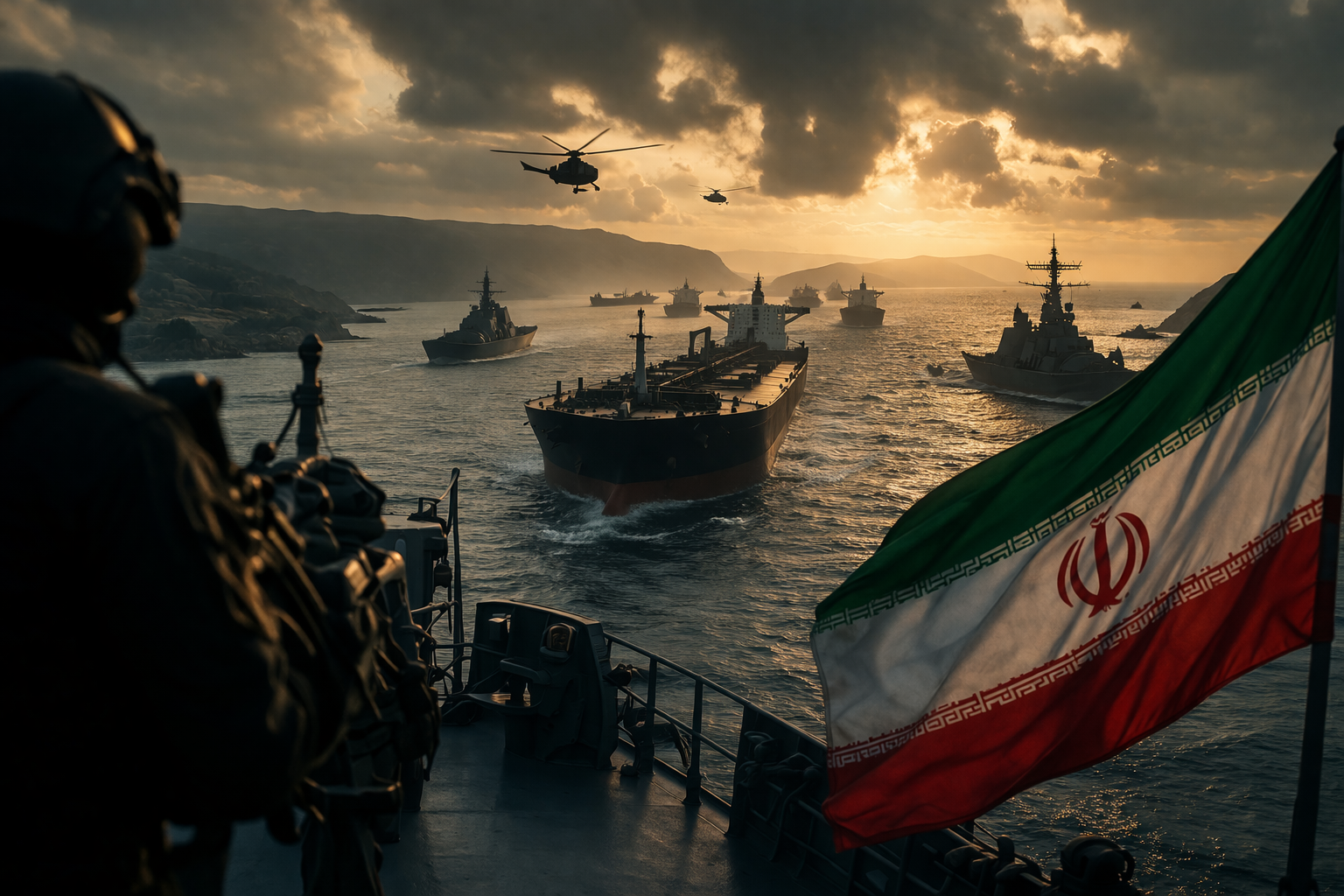
A Two-Week Pause Or A Ticking Clock? The Ceasefire Built On A Single Condition
peacefulA Ceasefire Built On One Condition
The current ceasefire is not peace. It is a pause—engineered under pressure, agreed at the last minute, and held together by a single, fragile thread.
That thread is the Strait of Hormuz.
The agreement between the United States and Iran is explicitly conditional: no reopening of Hormuz, no ceasefire.
And even where reopening has been agreed, it comes with caveats—coordination with Iranian forces, technical limitations, and a strictly temporary window.
This is not stability. It is conditional access to stability.
The Reality Behind The “Deal”
On paper, the ceasefire looks like a diplomatic breakthrough.
A two-week halt to hostilities
Suspension of US strikes
Iran allowing passage through Hormuz
Mediated talks toward a longer-term agreement
But every part of this arrangement is reversible—and fast.
Iran has made it clear it does not accept a temporary ceasefire as a final outcome, pushing instead for a permanent deal with major concessions, including sanctions relief and structural guarantees.
At the same time, the US position is transactional: Hormuz must open, immediately and fully, or military action resumes.
That is not alignment. That is conditional tolerance.
Hormuz: The Single Point Of Failure
Everything now runs through one chokepoint.
The Strait of Hormuz carries roughly 20% of global oil supply, making it the most economically sensitive maritime corridor in the world.
When it closed, the impact was immediate:
Oil prices surged
Global supply chains destabilized.
Energy insecurity spread across Europe and beyond
Now, its reopening is being treated as proof of peace.
But the reality is harsher: it is leverage.
Iran is not stepping away from control of the strait—it is reinforcing it.
Officials have signaled continued influence, coordination requirements, and even potential future control mechanisms such as transit fees.
Which means the very condition holding the ceasefire together is also a tool of pressure.
This Is Not A Resolution—It Is A Controlled Standoff
The deeper structure of the situation is simple:
The US needs Hormuz open to stabilise global markets
Iran needs Hormuz as leverage to secure long-term concessions
So both sides are temporarily cooperating around the same objective—for entirely different reasons.
That is why the ceasefire feels stable on the surface but unstable underneath.
Because it is not built on trust.
It is built on dependency.
What Media Misses
Most coverage frames the situation as a breakthrough moment.
It isn’t.
It is a conditional equilibrium, where both sides are pausing because escalation—right now—costs more than restraint.
The mistake is assuming reopening Hormuz equals de-escalation.
In reality, reopening Hormuz is a negotiation in itself.
Control of the strait is no longer just a wartime tactic.
It has become the central bargaining chip for shaping the post-war order.
That changes everything.
Why This Could Collapse Quickly
There are three immediate fault lines:
1. Control vs Access
Iran is allowing passage—but not surrendering control.
That distinction matters, and it can trigger friction instantly.
2. Temporary vs Permanent
The US is working within a two-week window.
Iran is negotiating for a structural end to conflict.
Those timelines are fundamentally incompatible.
3. Incentives To Break
If either side believes it can gain more through pressure than cooperation, the ceasefire becomes expendable.
And because the agreement is conditional, collapse does not require escalation—it only requires non-compliance.
What Happens Next
Three scenarios now dominate:
Most Likely
The ceasefire holds short-term, while both sides push hard in negotiations.
Most Dangerous
Hormuz access becomes contested—restricted, delayed, or politically leveraged—triggering renewed military escalation.
Most Underestimated
The ceasefire evolves into a longer-term “managed tension” phase, where conflict doesn’t end—it stabilizes into a controlled geopolitical standoff.
The Real Meaning Of This Moment
This ceasefire is not the end of a conflict.
It is the moment the conflict changes form.
From open confrontation…
To strategic positioning around the world’s most critical economic artery.
And that makes it more fragile, not less.
Because when peace depends on a single chokepoint,
it is not peace at all.
It is pressure—temporarily contained.
