The Most Important Deal In The World Right Now May Be Happening In The Strait Of Hormuz
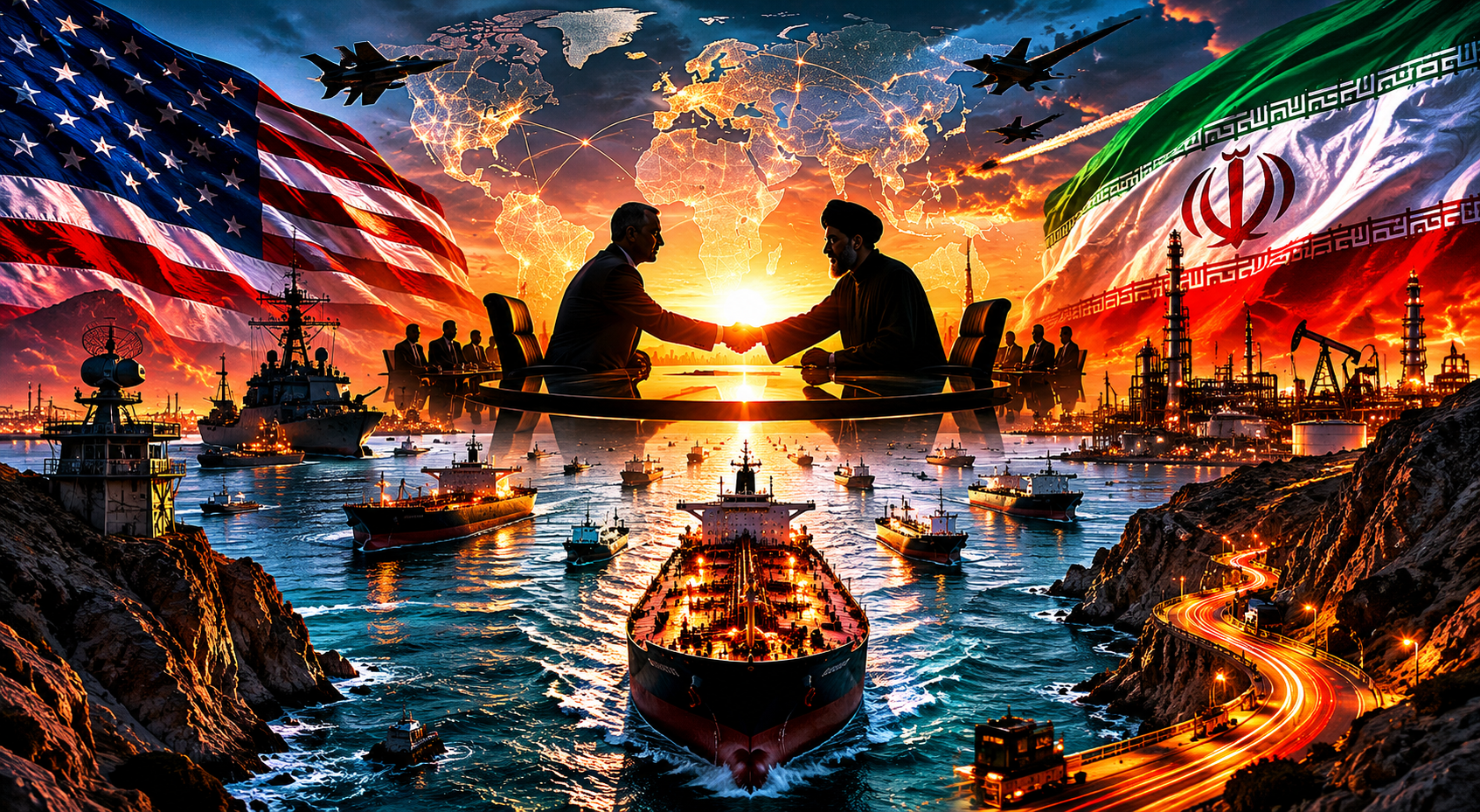
Why The Strait Of Hormuz Has Become The Most Important Place On Earth
Why Markets Are Suddenly Betting On A US–Iran Breakthrough That Could Change Everything
Markets are reacting because the potential upside is enormous. The risk is that the deal remains far more fragile than the headlines suggest.
A ceasefire extension may sound technical. In reality, it could influence oil prices, shipping costs, interest rates and geopolitical stability across the world.
A narrow stretch of water between Iran and Oman has quietly become one of the most important places on Earth.
The World Economy Has Been Holding Its Breath
The reason investors, governments and energy markets are suddenly paying attention is simple: the Strait of Hormuz remains one of the most strategically important shipping routes on the planet. A significant portion of globally traded oil and large volumes of LNG move through that corridor every single day. When instability appears there, the consequences ripple across the entire global economy.
That is why reports of a potential US–Iran framework agreement have generated such a strong reaction. Multiple reports indicate negotiators have been working toward a tentative arrangement involving a ceasefire extension, reopening shipping routes and creating space for broader negotiations around sanctions, regional security and Iran's nuclear programme. The agreement reportedly remains subject to final political approval and implementation details.
Why The Strait Of Hormuz Matters So Much
Most geopolitical stories remain regional. Hormuz is different.
The Strait effectively acts as a pressure valve for the global energy system. If commercial shipping faces disruption, uncertainty immediately feeds into oil prices, insurance costs, freight markets and inflation expectations. Even countries thousands of miles away feel the impact because energy remains embedded in almost every layer of modern economic activity.
This is why Hormuz repeatedly appears at the centre of current negotiations. Reports suggest proposed discussions include reopening shipping access, reducing maritime restrictions and preventing further disruption to commercial energy flows. The economic value of restoring stability is potentially enormous.
Markets Are Trading Probability Rather Than Peace
One of the biggest mistakes people make during geopolitical crises is assuming markets react only to confirmed outcomes.
They do not.
Markets react to changing probabilities.
For months, traders have been forced to consider increasingly severe scenarios involving shipping disruption, escalating military confrontation, supply shocks and wider regional instability. Even a modest increase in the probability of de-escalation can therefore trigger a major repricing across multiple asset classes.
That dynamic is already visible. Oil prices have fallen sharply on optimism surrounding negotiations, while global equity markets have strengthened as investors reduce some of the risk premium that had built up around the conflict. The reaction itself demonstrates how seriously markets view the significance of Hormuz stability.
The Bigger Story Most People Are Missing
The real significance of this story is not the ceasefire.
It is what a functioning framework agreement would signal about the future.
A stable Hormuz changes calculations far beyond the Middle East. Lower energy volatility potentially eases inflation pressure. Lower inflation pressure changes expectations around interest rates. More stable shipping conditions improve commercial confidence. Reduced military risk improves broader investor sentiment.
In other words, this is one of those rare geopolitical stories capable of influencing multiple global systems simultaneously. Energy, inflation, trade, markets and foreign policy all intersect at the same point. That is why the upside case is attracting so much attention.
Why The Deal Remains Extremely Fragile
The optimism should not be confused with certainty.
Conflicting signals continue to emerge from multiple sides. While reports indicate progress toward a memorandum of understanding and ceasefire extension, officials have also publicly pushed back against claims that a final agreement is complete. Military activity and sanctions pressure have not fully disappeared from the picture either.
Recent US sanctions targeting Iranian-linked oil networks highlight the contradiction at the centre of the situation. Diplomatic progress and economic pressure are currently occurring simultaneously. That makes forecasting outcomes particularly difficult because both escalation and de-escalation remain plausible paths from here.
Reports also suggest political resistance exists within several factions involved in the negotiations. Hardliners on multiple sides remain sceptical of concessions, creating the possibility that progress could slow or break down entirely.
The Highest-Upside Geopolitical Story In The World
Few stories currently combine this level of geopolitical significance with such large economic implications.
The potential framework reportedly involves a 60-day period designed to create space for broader negotiations around sanctions, shipping access and nuclear discussions. If that process gains momentum, it could remove one of the largest active geopolitical risks hanging over global markets today. If it collapses, the world returns to uncertainty around one of the most important energy chokepoints on Earth.
That is why investors are watching so closely.
This is not merely a story about Washington and Tehran.
It is a story about whether one of the most dangerous pressure points in the global economy moves toward stability or drifts back toward confrontation. The consequences extend far beyond diplomacy. They reach directly into oil prices, inflation, trade flows, investor confidence and the broader direction of the global economy itself.
