The Philippines Just Suffered A Catastrophic Earthquake — And The Death Toll May Still Rise
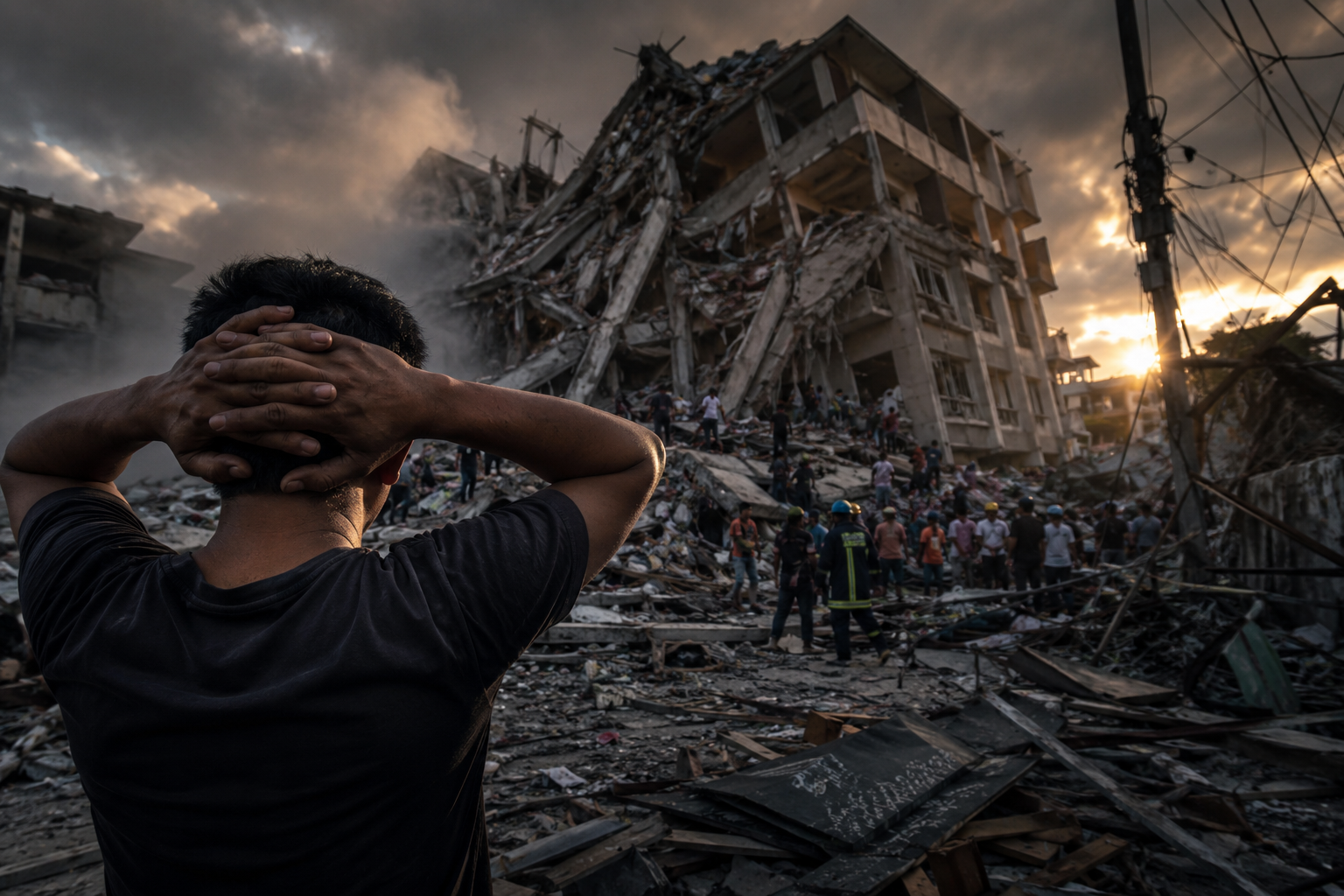
A 7.8-Magnitude Disaster Has Rocked The Philippines — And Rescuers Are Racing Against Time
The Scale Of The Disaster Is Still Emerging
A powerful 7.8-magnitude earthquake struck off the southern Philippines on June 8, triggering widespread destruction, collapsing buildings, causing landslides, and sending tsunami waves toward nearby coastlines. Authorities have confirmed at least 32 deaths and more than 200 injuries, although rescue operations remain ongoing and officials warn the toll could rise further.
The earthquake struck near Mindanao, one of the country's largest islands, creating panic across cities, towns, schools, and coastal communities. Flights were cancelled, power outages were reported, and emergency services were immediately deployed to some of the worst-hit areas.
Why This Earthquake Was So Dangerous
Not all earthquakes are equal. Magnitude alone does not determine destruction. Factors such as depth, location, building standards, population density, and secondary hazards can dramatically increase the human cost.
In this case, the quake occurred in a region vulnerable to both structural collapse and tsunami activity. A tsunami warning was issued across parts of the Philippines and neighbouring regions after the initial shock, while coastal communities were ordered to move away from the shoreline as authorities assessed the risk. Small tsunami waves were later recorded before warnings were eventually lifted.
The earthquake was also followed by numerous aftershocks, creating additional danger for both survivors and rescue teams. Damaged buildings that survive the first shock can collapse during subsequent tremors, turning rescue operations into a race against time.
The Images Coming Out Of Mindanao Are Extraordinary
Some of the most dramatic scenes have emerged from schools, commercial buildings, and densely populated urban areas. Reports describe buildings collapsing, roads being damaged, and terrified residents rushing into open spaces as the ground shook beneath them.
Videos circulating online show the confusion that follows a major seismic event. Unlike hurricanes or storms, earthquakes arrive without warning. There is no countdown, no forecast, and no time to prepare. One moment life appears normal. Seconds later, buildings begin moving, alarms sound, and entire communities are thrown into chaos.
That unpredictability is one reason major earthquakes continue to command global attention. They combine sudden shock, dramatic visuals, genuine human tragedy, and the constant possibility that the situation could deteriorate further.
The Philippines Lives On One Of The World's Most Dangerous Fault Systems
The Philippines sits on the Pacific Ring of Fire, one of the most seismically active regions on Earth. This vast geological belt is responsible for many of the world's strongest earthquakes, volcanic eruptions, and tsunami-generating events.
History shows why the region takes these threats so seriously. The country has experienced multiple devastating earthquakes over the decades, including the deadly 1990 Luzon earthquake and other major seismic disasters that caused widespread destruction and loss of life.
The challenge is not simply surviving a single event. It is managing the long-term reality that powerful earthquakes will continue to occur. Governments can improve building standards, emergency planning, and public awareness, but the underlying geological forces never disappear.
The Rescue Phase Is Now Underway
The immediate focus has shifted from the earthquake itself to what happens next. Search-and-rescue teams are working through damaged structures, emergency shelters are supporting displaced residents, and authorities are attempting to identify people who remain missing.
These operations are often the most critical period after a major earthquake. The first 24 to 72 hours can determine whether trapped survivors are found alive. Every aftershock increases risk. Every hour matters.
Officials have warned that damage assessments remain incomplete, meaning the full picture may not emerge for several days. That uncertainty is why early casualty figures frequently change after major natural disasters.
Why The World Is Watching
This story is already becoming one of the biggest international news events of 2026. The combination of a powerful 7.8 magnitude earthquake, confirmed fatalities, collapsed buildings, tsunami warnings, dramatic footage, and ongoing rescue efforts guarantees sustained global attention.
But beyond the headlines lies a deeper reality. Natural disasters remind us how quickly modern life can be disrupted. Airports, schools, hospitals, businesses, and entire communities can be transformed within minutes when geological forces far beyond human control are unleashed.
For the Philippines, the coming days will be about rescue, recovery, and rebuilding. For the rest of the world, this earthquake serves as another reminder that some of nature's most destructive forces arrive without warning—and leave consequences that can last for years.
