Trump Told Israel Not To Strike. Hours Later The Missiles Flew Anyway
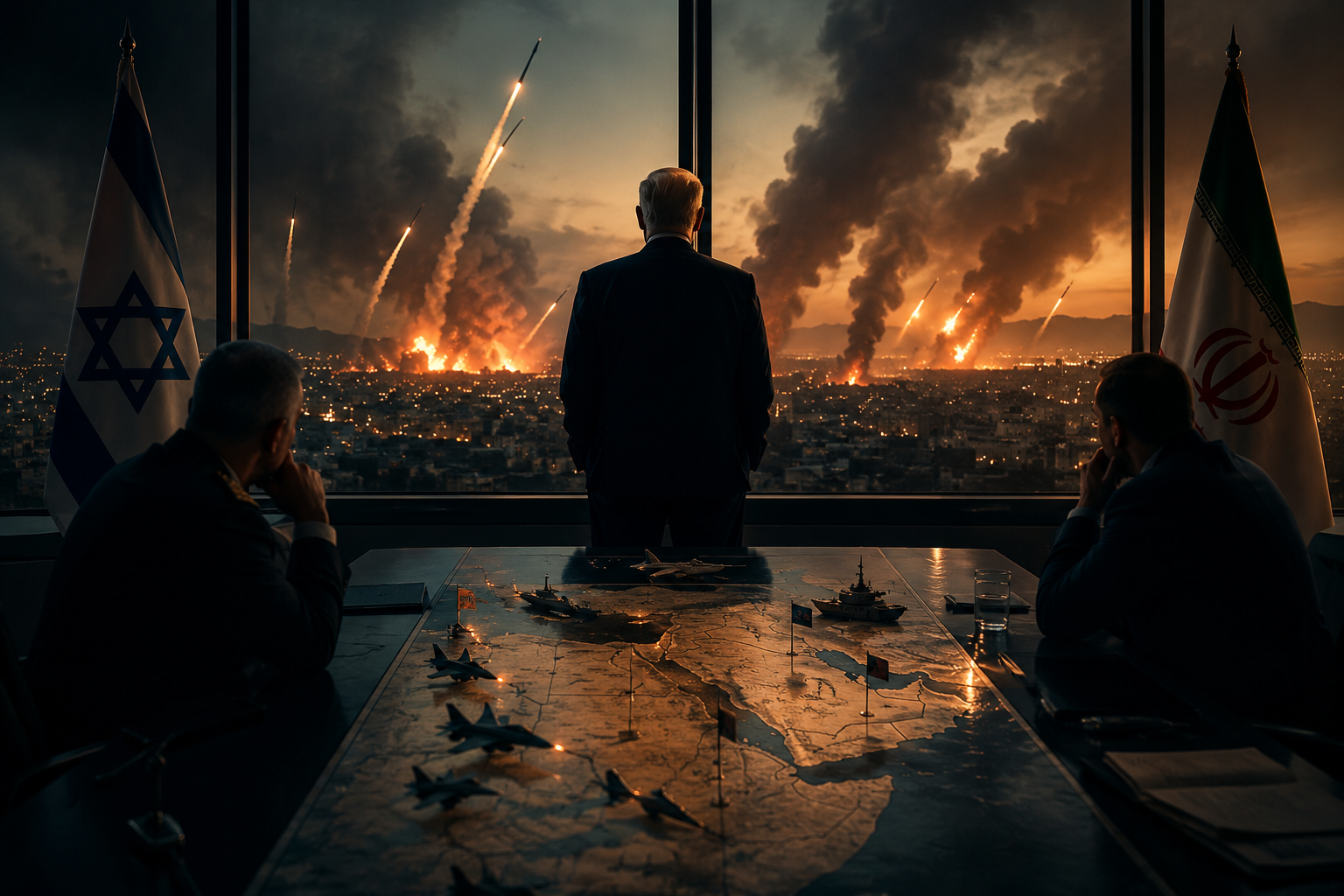
Israel Ignored Trump's Warning And The Middle East Just Got More Dangerous
Trump's Warning Was Ignored
For days, Washington appeared focused on preventing a fresh round of escalation between Israel and Iran. President Donald Trump reportedly urged Israeli Prime Minister Benjamin Netanyahu not to retaliate after Iranian missile attacks, believing a broader conflict could jeopardise ongoing diplomatic efforts and destabilise the region. Yet within hours, Israeli aircraft were reportedly striking targets inside Iran.
The significance of that decision extends far beyond the military targets themselves. When a close ally publicly urges restraint and is then ignored, it raises uncomfortable questions about influence, leverage and strategic control. Whether the disagreement proves temporary or deeper, the optics are difficult for Washington.
A Dangerous Escalation Ladder
The immediate trigger was Iran's missile barrage against Israel. Israeli officials described their subsequent strikes as retaliation aimed at military infrastructure and missile-related targets. Iranian officials responded by warning that further escalation could trigger broader retaliation, including against American interests in the region.
That is where the real danger begins. Modern conflicts rarely become regional wars overnight. Instead, they climb an escalation ladder. One strike leads to another. Retaliation becomes counter-retaliation. Political leaders find themselves responding not only to strategic calculations but also to domestic pressure, military credibility and national prestige.
The concern among observers is not simply what happened today. It is what happens after the next strike, and the one after that.
Why Oil Markets Are Nervous
Financial markets rarely panic without reason. One of the clearest signals emerging from the latest developments has been the reaction in energy markets. Oil prices have moved sharply higher as traders attempt to price in the possibility of supply disruption across one of the world's most strategically important regions.
The Middle East remains central to global energy flows. Any threat to shipping routes, production facilities or regional stability can ripple through the international economy. Even if no major infrastructure is destroyed, uncertainty itself carries a price.
That matters far beyond Tehran and Tel Aviv. Higher energy prices feed into transport costs, manufacturing costs and consumer prices. A regional military confrontation can quickly become a global economic story.
The Trump Calculation Is Becoming More Difficult
Trump's broader strategy appears relatively straightforward. Reduce tensions, secure agreements, prevent a wider war and maintain American influence without becoming trapped in another major Middle Eastern conflict. The problem is that regional actors often have objectives that do not perfectly align with Washington's timetable.
Israel's security concerns are immediate. Iran's regional ambitions and deterrence calculations are immediate. Domestic political pressures on all sides are immediate. Diplomacy, by contrast, moves slowly.
That creates a dangerous mismatch. Every military exchange increases the risk that political leaders lose control of events. Even if all sides claim they want to avoid a wider war, history is full of conflicts that expanded despite similar assurances.
The Real Question Is What Happens Next
The biggest geopolitical stories are often defined less by the first strike than by the response that follows. Iran has already signalled that additional retaliation remains possible. Israeli officials have suggested operations could continue if they believe threats remain. American officials continue trying to prevent a wider breakdown.
For now, the region sits in an uncomfortable middle ground. The situation has escalated significantly, but not yet beyond recovery. Diplomacy remains possible, yet military action continues. Leaders speak of restraint while simultaneously preparing for further confrontation.
That uncertainty is exactly why this story has become the dominant geopolitical development on the planet.
The Gamble Is Entering Its Most Dangerous Phase
The deeper story is not simply Israel versus Iran. It is whether the political architecture holding the region together is beginning to weaken under pressure. Every missile launch tests deterrence. Every air strike tests restraint. Every warning tests credibility.
Trump's intervention was intended to prevent precisely this scenario. Instead, the crisis has entered a new phase where events appear increasingly driven by regional calculations rather than American preferences.
The next few days may determine whether this remains a dangerous but contained confrontation or becomes something much larger. Markets are watching. Militaries are watching. Governments are watching.
Because once escalation develops its own momentum, stopping it becomes far harder than starting it.
